EN
EN



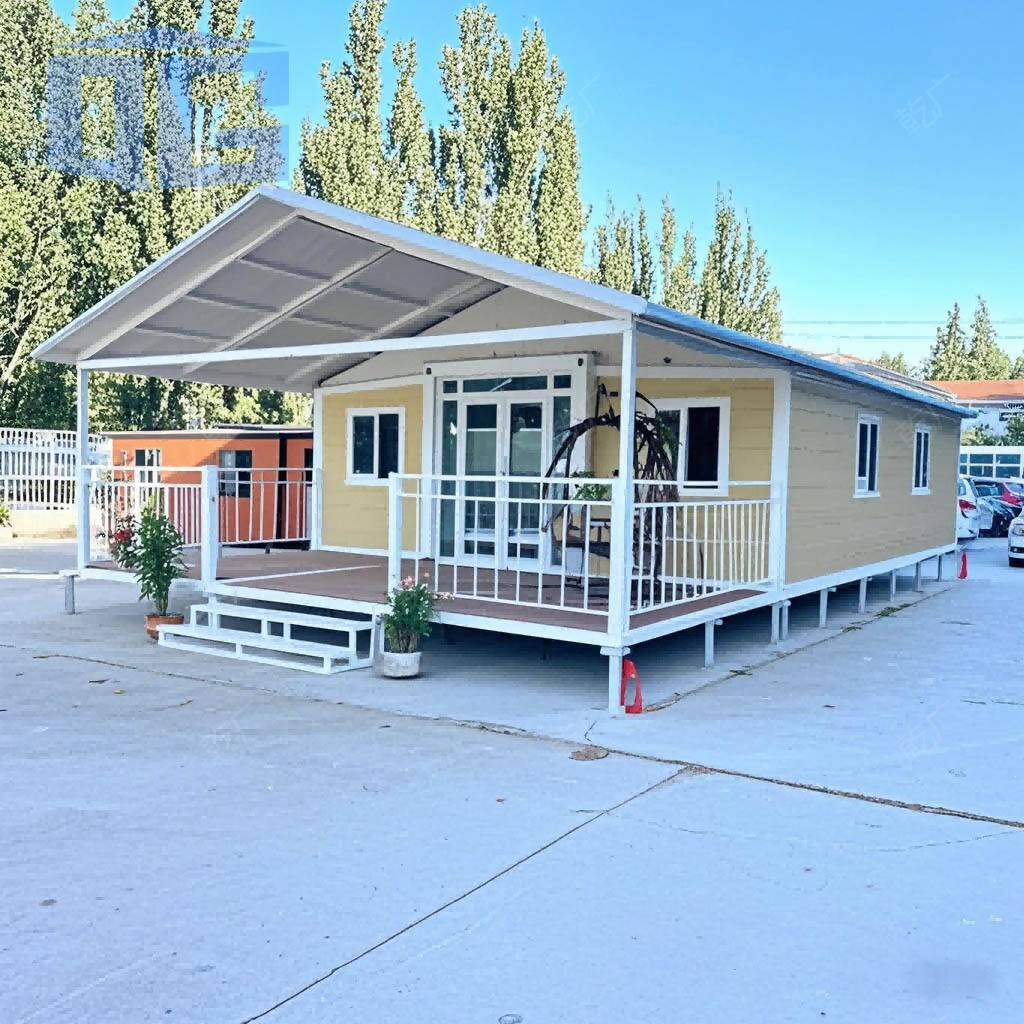
What Makes a Movable House Inherently Reusable?
Core design traits: demountability, standardized interfaces, and material traceability
Houses designed to move around start with reuse in mind, based on three main ideas: parts that can be taken apart easily, standard ways things connect, and knowing where materials come from. When buildings use bolted structures instead of welded ones, they can be broken down without damage and put back together again later. Factory made components mean fewer mistakes happen during construction, which keeps these homes reusable over time. Standard connection points follow rules set by groups like ISO 19650 and work well with European digital product tracking systems. This means different parts like plumbing systems or wall panels will fit together no matter who made them or what project they're part of. Digital records track exactly what materials were used, how long they last, and any repairs done along the way. According to research from the Ellen MacArthur Foundation released last year, this kind of tracking saves about 89% of the original material value when buildings get reused, compared to just 35% when old buildings get torn down normally. That makes a huge difference for sustainability efforts in construction.
Contrasting reuse potential: movable house vs. traditional site-built structure
Regular buildings constructed on site tend to be one-time use investments. Permanent footings, glue-based construction methods, and built-in utilities basically make moving them anywhere cost prohibitive and bad for the environment. According to a recent report from UNEP in 2023, when people try to relocate standard buildings anyway, they end up creating about 40% waste just from tearing out foundations, modifying structures, and replacing systems. The situation looks different with modular homes designed specifically for relocation. These structures come with standardized components that can be disconnected and reconnected easily. Since they don't require traditional foundations, moving these homes creates less than 5% waste overall. This approach turns buildings into something that lasts through multiple lifecycles rather than just sitting there losing value year after year.
How Design for Deconstruction Enables Seamless Movable House Relocation
Non-destructive assembly methods and certified reusable component systems
Getting relocation right really depends on designing buildings that can be taken apart properly, not just broken down. Modern movable homes rely on bolted joint systems that have been thoroughly tested over time. These include things like high strength shear connectors that meet EN 1993-1-8 standards, and they keep buildings strong even after being assembled and disassembled at least five times. The mechanical, electrical, and plumbing parts come already built together as plug and play modules. They follow IEC 61439 and EN 50173 standards so there's no need for rewiring or making special parts on site. This approach works much better than traditional methods like welding steel frames or pouring concrete in place, which tend to distort dimensions and disrupt structural integrity. What makes this system special is the standardized interfaces between components. These were actually tested in real world situations where different manufacturers worked together, all under guidance from the European Committee for Standardization (CEN). Because of this standardization, builders can mix and match certified modules from various sources, creating far more opportunities for reuse than would be possible if everything had to stay within one specific project.
Real-world redeployment speed: 72% faster than conventional relocation (CIRIA, 2023)
According to CIRIA's 2023 research, moving houses that can be relocated takes about 72% less time compared to traditional methods. We're talking around 3 to 5 days instead of the usual 2 to 4 weeks for standard relocation. Why does this happen? Well, these homes come with built-in features that make the whole process smoother. The utilities can be disconnected at standard points like those ISO 8502 compliant service hatches. There are also special transport frames ready for cranes with self leveling jacks, plus ground contact systems that don't need foundations such as screw piles or modular pads. Another big factor is how the electrical and data systems work together so there's no need for rewiring. And those HVAC units? They've been tested already and can be put back online within four hours or so. None of these things just happened by accident either. All these components fit into detailed BIM plans where each bolt, cable, and seal has been mapped out specifically for quick assembly without mistakes when it comes time to move them again.
Proven Multi-Project Lifecycles: From Shelter to Community Housing
Dutch 'Mobiel Wonen' initiative: 3 relocations, zero structural waste
The Dutch Mobiel Wonen initiative actually proves how buildings can be reused for years and years. Twenty four housing units moved three times altogether between cities, suburbs, and countryside locations without any damage to their structure or needing parts replaced. When these units needed moving, workers took them apart piece by piece, checked everything over carefully, fixed what wasn't working so well anymore, then put them back together again following special digital guides and material records based on industry standards. The main structural parts like steel frames and those cross laminated timber walls? They all got reused exactly as they were. Regular house moves typically create about 200 to 300 kilograms of waste for every square meter according to UNEP data from last year. But with Mobiel Wonen? No waste whatsoever. That's pretty impressive when most people think about construction projects.
Functional evolution: emergency shelter – student housing – senior co-living unit
Functional adaptability is where movable houses deliver unique circular value. A Rotterdam prototype exemplifies this lifecycle agility:
- Phase 1 (Emergency): Deployed as flood-resilient shelters with rapid-install cladding, off-grid solar/water systems, and fire-rated partitions.
- Phase 2 (Student Housing): Refitted in 48 hours with modular study pods, acoustic ceiling tiles, and Wi-Fi 6E infrastructure—leveraging existing structural and service cores.
- Phase 3 (Senior Co-Living): Converted with grab bars, widened doorways, and circadian lighting—all enabled by demountable interior walls and accessible service chases.
This evolution wasn’t retrofitted—it was designed in: interior partitions use adjustable track systems (DIN 4102-certified), and service zones follow standardized spatial grids. Circular economy analysis shows such multi-phase reuse delivers 47% higher lifetime asset value compared to single-purpose buildings.
Circular Business Models That Maximize Movable House ROI
The circular approach to business really pays off when companies treat those movable housing units as active assets instead of just sitting inventory on a warehouse floor. Most top players keep control of their units and rent them out for all sorts of purposes these days. Think temporary housing after disasters, worker accommodations at construction sites, even mobile classrooms in remote areas. Each application brings in different kinds of money without needing fresh investments every time. When these units need work between assignments, they get fixed up rather than tossed aside. The parts that tend to wear down fastest like interior finishes and control panels can be swapped out with certified replacement kits from original manufacturers. This kind of maintenance keeps these structures going strong well past three decades while slashing the need for brand new materials by around 30 percent according to recent industry reports. Companies operating this way see about 35 percent better returns compared to traditional methods, mainly because they spend less on materials, face almost no delays when moving units between jobs, and keep extracting value from each project cycle. What makes all this possible is the fundamental design philosophy behind these systems. They're built specifically for repeated use, which shows that true circular practices start not with government rules or buying policies, but with smart designs that actually support real world reuse scenarios.
FAQ
Q1: What are the main design traits that make movable houses inherently reusable?
A: Movable houses are designed for reusability with traits like demountability, standardized interfaces, and material traceability. These features allow the structures to be easily disassembled, reassembled, and tracked for materials, enhancing their sustainable reuse.
Q2: How do movable houses compare to traditional site-built structures in terms of waste generation during relocation?
A: Movable houses are designed for easy relocation, generating less than 5% waste compared to traditional site-built structures, which can produce about 40% waste due to foundations and built-in utilities.
Q3: What allows for the quick relocation of movable houses?
A: Movable houses feature fast relocation due to built-in features like standardized disconnect points, transport frames, and reusable component systems. These designs reduce relocation time by about 72% compared to conventional methods.
Q4: Can movable houses be adapted for different uses?
A: Yes, movable houses are highly adaptable. They can evolve functionally through various lifecycle phases, from emergency shelters to student housing or senior co-living, thanks to designs that incorporate standardized, demountable components.
Q5: How do circular business models benefit from movable houses?
A: Circular business models maximize the ROI of movable houses by treating them as active assets. This involves renting them for diverse purposes, maintaining and upgrading them with certified replacements, which enhances asset value and reduces the need for new materials.