EN
EN



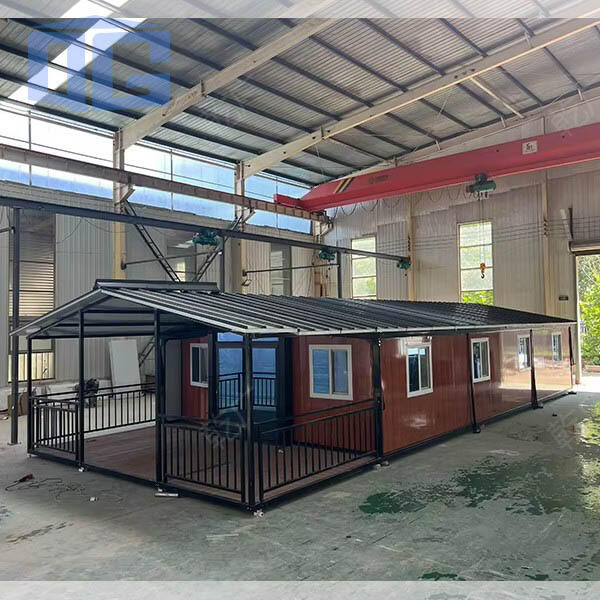
Why Foldable Container Houses Cut Transport Costs by Design
Structural Intelligence: How Folding Mechanisms Enable High-Density Shipping
Container houses that fold down use special hinge mechanisms which allow them to compress into really small packages, cutting down on shipping space by around three quarters to almost four fifths when compared to regular buildings. Once folded up, these homes turn into flat panels that can be stacked on top of each other, making better use of available space on cargo ships. Logistics companies have found through their records that ships carrying these folded units can actually carry about 40 percent more goods than before. Most shipping companies charge based on how much space something takes rather than how heavy it is, so this smaller footprint means lower costs for transporting each unit. Traditional modular building methods require taking apart all sorts of things like wires and pipes during transport, but with folding designs, everything stays connected and works right out of the box without needing extra setup once delivered.
Stacking Efficiency: From 1 to 4 Units per Standard Flatbed Trailer
Regular flatbed trailers usually manage to carry only a single rigid container house, but when we talk about folded units, things change quite a bit. These can be stacked stably with 3 to 4 complete living spaces inside the same legal height restrictions and ground space requirements. The difference in transportation costs is pretty significant too. According to various industry reports, moving beyond the 500 km mark cuts down on freight expenses by around 35% to nearly 60%, just from consolidating trips. What makes this possible? Well, there's cross bracing integrated right into how these units fold together. This creates those self-supporting stacking columns that eliminate the need for extra framing structures. And best part? Everything stays structurally sound throughout transport without wasting any space in the trailer itself.
Quantifying the Savings: Foldable vs. Standard Container Logistics
Real-World Freight Reductions: 35–58% Lower Transport Spend Across 12 Prefab Projects
Looking at 12 different prefab housing projects shows that these foldable container homes cut down shipping costs between 35 to almost 60 percent compared to regular containers. Why? Because when they're folded up, they take up around a quarter of what standard containers need. That means shippers can fit four times as many units in one trip. According to a recent logistics report from 2024, companies saved an average of $18,500 on each international shipment. And there's another bonus too: return trips cost 72 percent less since there are far fewer empty containers needing transport back home. This kind of saving really adds up over time for developers working on multiple phases of construction.
Trip Consolidation Impact: Case Study — 62% Fewer Truck Trips for Vietnam Housing Deployment
In Vietnam, a major housing development showed what happens when we apply foldable design principles to logistics operations. The project team found they could stack components much better than traditional methods allowed. This change reduced the number of truck deliveries needed from 38 down to only 14 vehicles total. That means 62 percent fewer trips on the road, saving around 1,200 miles of transportation distance and slashing carbon output by 8.4 metric tons according to the Logistics Consortium Report from 2023. What's even more impressive? Getting everything to the construction site took just 11 days compared to the usual 28 days for standard housing units. So not only does this approach save money on fuel costs, it actually speeds up construction schedules while being kinder to the environment at the same time.
Strategic Levers to Maximize Transport Savings for Foldable Container Houses
Optimized Folding Sequencing and Load Planning for Full Trailer Utilization
Getting the most out of trailer space requires careful folding techniques and smart packing strategies. When logistics folks map out how big each item is and figure out how it folds, they can create standard ways to stack things so basically every inch counts. This means putting around four times as many items on a single truck compared to regular fixed setups. There are also digital tools now that help plan loads even better, pushing trailer usage past 92% efficiency mark. Research from people studying modular building transport shows something pretty impressive too these methods cut down shipping costs per item anywhere between 34% to almost 41%. The best part? Everything still holds together well during transit and gets deployed quickly when needed at the job site.
Regional Hub Distribution: Reducing Last-Mile Distance Without Compromising Foldability Benefits
Foldable units work really well for long distance shipping but there's a problem with the last mile transportation costs which can eat up between 28% and 53% of what companies spend on logistics overall. That's where regional staging hubs come into play. The idea is simple enough actually. Folded units get shipped in bulk to distribution centers located close to where projects are happening, and then they're moved out locally using shorter haul carriers. This approach makes a big difference. Companies report cutting down on fuel needed for those final deliveries by around 60%, while saving about 45% on carrier fees compared to sending everything all the way across country directly. What's interesting is that these folding capabilities keep working their magic right through the whole process. The units remain small and manageable until workers put them together at the actual site location. So instead of hurting the space benefits, this hub system actually helps maintain those volumetric advantages we originally wanted from foldable designs.
FAQ
What are foldable container houses?
Foldable container houses are prefabricated living spaces that can be folded into compact units for transportation. They utilize hinge mechanisms to collapse into flat panels, which can be easily stacked and shipped.
How do foldable container houses reduce transport costs?
By folding into compact units, foldable container houses take up significantly less space during transport. This allows for higher stacking density on cargo ships and trailers, leading to lower shipping costs per unit.
What is the impact of folding design on logistics?
Folding design reduces the number of transport trips needed and cuts down on delivery times. It also maintains structural integrity during transportation and ensures quick setup at construction sites.
Why are regional hubs important for last-mile delivery?
Regional hubs help reduce the transportation distance for the last mile of delivery. This approach saves on fuel costs, lowers carbon emissions, and preserves the compactness of foldable units until they reach their final destination.