EN
EN



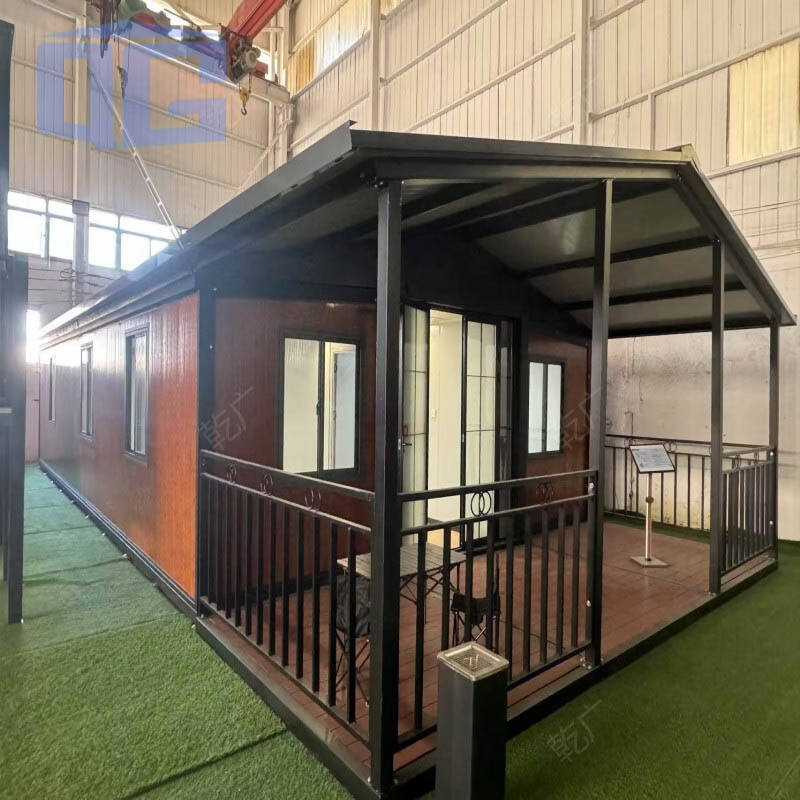
Unmatched Speed: How Prefab Homes Deliver Housing in Half the Time
Factory Parallelization vs. Sequential On-Site Building
Factory built homes can be finished anywhere from 60 to 80 percent quicker because they separate foundation work from building the actual house structure according to ASTI research from last year. Traditional building methods take things one step at a time which means waiting for foundations to set before putting up walls and frames. But with prefabricated homes, all sorts of work happen at once. The parts get made in factories while crews are still getting ready on site, so nobody sits around twiddling their thumbs. As a result, entire projects wrap up in just weeks instead of dragging on for months. We've seen this in action too during emergency situations where over 1500 housing units were assembled across multiple locations within eight weeks flat. something that would have taken traditional builders several years to accomplish under normal circumstances.
Weather-Independent Production Ensures On-Time Delivery
Building indoors cuts down on those pesky weather delays that mess up traditional construction sites all the time. When it rains cats and dogs, when there's snow on the ground, or when temps swing way out of whack, outdoor projects just stop dead in their tracks for days sometimes weeks. And guess what? That explains why so many stick-built houses end up taking longer than planned. With prefab factories, though, everything happens inside climate-controlled spaces. Roofing gets done, walls get put together, finishes applied without stopping because Mother Nature can't interfere here. The whole setup makes scheduling much easier too. Most installations wrap up within five days flat, no matter if it's freezing outside or scorching hot.
Predictable Affordability: Cost Control Without Compromise in Prefab Homes
15–25% Savings Through Factory Efficiency and Bulk Procurement
The cost savings on prefab homes come mainly from how factories handle production. When everything happens in controlled environments, there's just not as much time spent on labor and far fewer materials end up wasted. Some research points to around 20 percent less waste than when building conventionally. Plus, these manufacturing plants buy their raw materials by the truckload, which naturally brings down prices for folks actually living in these houses. The bottom line? Homeowners typically save between 15 and 25 percent overall while still getting solid structures that stand up well over time. And because parts fit together so precisely during assembly, there's simply less need for fixing mistakes later on, meaning money spent goes further toward creating something worthwhile rather than correcting errors.
Fixed-Price Contracts Eliminate Budget Overruns and Financial Uncertainty
Prefab construction works differently than standard building methods because it typically comes with set price tags that can't be changed later on. When someone signs these kinds of contracts, they know exactly what they'll pay for materials and labor right from the start, which protects them when prices jump around in the market. The companies building these homes take care of unexpected costs too, whether it's bad weather slowing things down or problems getting parts delivered, since everything gets made in factories first. Most traditional builds end up costing way more than originally planned according to industry reports, something that just doesn't happen so often with prefabs. For people wanting to build their dream home without constant surprises about money, this kind of clear pricing makes all the difference from day one until the last piece is installed.
Minimal Disruption: Low-Impact Installation for Urban, Remote, or Sensitive Sites
75% Less On-Site Labor, Noise, and Waste — Ideal for Dense or Eco-Conscious Locations
The prefab home movement is changing how buildings get constructed, moving about 90 percent of the work into factory settings instead of job sites. This shift cuts down on what happens at actual construction locations. When it comes to benefits from factory made homes, there are several standouts. For starters, wasted materials go way down because factories cut things much more efficiently and recycle what they can. Regular construction sites throw away around 30% of their materials, while prefab shops manage to send almost nothing to landfills. Another big plus is less noise for people living nearby. Traditional building sites make a lot of racket for months on end with all the hammering and machines running constantly. Prefab operations just don't create that kind of disturbance. And finally, workers spend fewer hours completing projects since multiple tasks happen at once in these manufacturing environments.
The streamlined process enables installations in constrained locations unreachable by conventional methods. Sensitive habitats benefit from minimal ground disturbance with no heavy equipment scarring landscapes. Urban infill projects complete faster while preserving neighborhood tranquility. Eco-communities particularly value the reduced carbon footprint from shorter site operations and waste elimination.
Key environmental protections include:
- Soil erosion prevention through rapid foundation installation
- Existing flora preservation via precise crane placement
- Emission reduction from fewer truck deliveries
This efficiency makes prefab homes ideal for historic districts, wildlife corridors, and high-density zones—minimizing community impact without compromising quality.
Built for Flexibility: Scalable, Customizable Prefab Homes That Evolve With Your Life
Modular homes offer something really special when it comes to flexibility because of their engineered design. These houses can actually expand along with different phases of life. Need extra space for growing families? Just throw in another bedroom. Got a new job that requires working from home? Add an office area without breaking the bank on renovations. The factory built parts allow for things like moving walls around, sections that slide out, and completely different room arrangements that stick builders simply cannot replicate. People love being able to personalize almost every aspect. Outside looks can blend right into surrounding neighborhoods, and many come ready with smart tech that handles lighting and temperature automatically. When expanding later on, adding new sections happens much faster too usually within weeks instead of waiting months. Plus, these modifications generally cost way less money compared to regular home remodeling projects while keeping the whole structure strong and stable. Over time, as life changes happen, the house itself evolves alongside them rather than just sitting there looking awkward. That makes prefabricated housing a pretty good fit for anyone wanting a home that grows with them.
FAQ
What are prefab homes?
Prefab homes, also known as prefabricated homes, are housing units made off-site in a factory, then transported and assembled at their final location.
How do prefab homes compare in speed to traditional builds?
Prefab homes can be completed 60 to 80 percent faster than traditional builds. This is due to simultaneous foundation and construction work taking place in factory settings.
How do prefab homes handle weather-related delays?
Prefab homes are built indoors where weather conditions do not affect construction, ensuring on-time delivery regardless of outdoor environmental changes.
Why are prefab homes more affordable?
Prefab homes offer 15–25% cost savings primarily through increased factory efficiency, bulk purchasing of materials, and reduced labor costs.
How do fixed-price contracts work with prefab construction?
Prefab construction comes with fixed-price contracts, meaning the cost of materials and labor are set from the start, eliminating the risk of budget overruns.
How do prefab homes reduce environmental impact?
Prefab homes shift 90% of construction work into factory settings, leading to less on-site disruption, decreased waste, reduced noise, and lower emissions.
Can prefab homes be customized?
Yes, prefab homes are customizable and can be expanded as life's needs evolve, allowing homeowners to add rooms or modify layouts with ease.
Table of Contents
- Unmatched Speed: How Prefab Homes Deliver Housing in Half the Time
- Predictable Affordability: Cost Control Without Compromise in Prefab Homes
- Minimal Disruption: Low-Impact Installation for Urban, Remote, or Sensitive Sites
- Built for Flexibility: Scalable, Customizable Prefab Homes That Evolve With Your Life
-
FAQ
- What are prefab homes?
- How do prefab homes compare in speed to traditional builds?
- How do prefab homes handle weather-related delays?
- Why are prefab homes more affordable?
- How do fixed-price contracts work with prefab construction?
- How do prefab homes reduce environmental impact?
- Can prefab homes be customized?