EN
EN



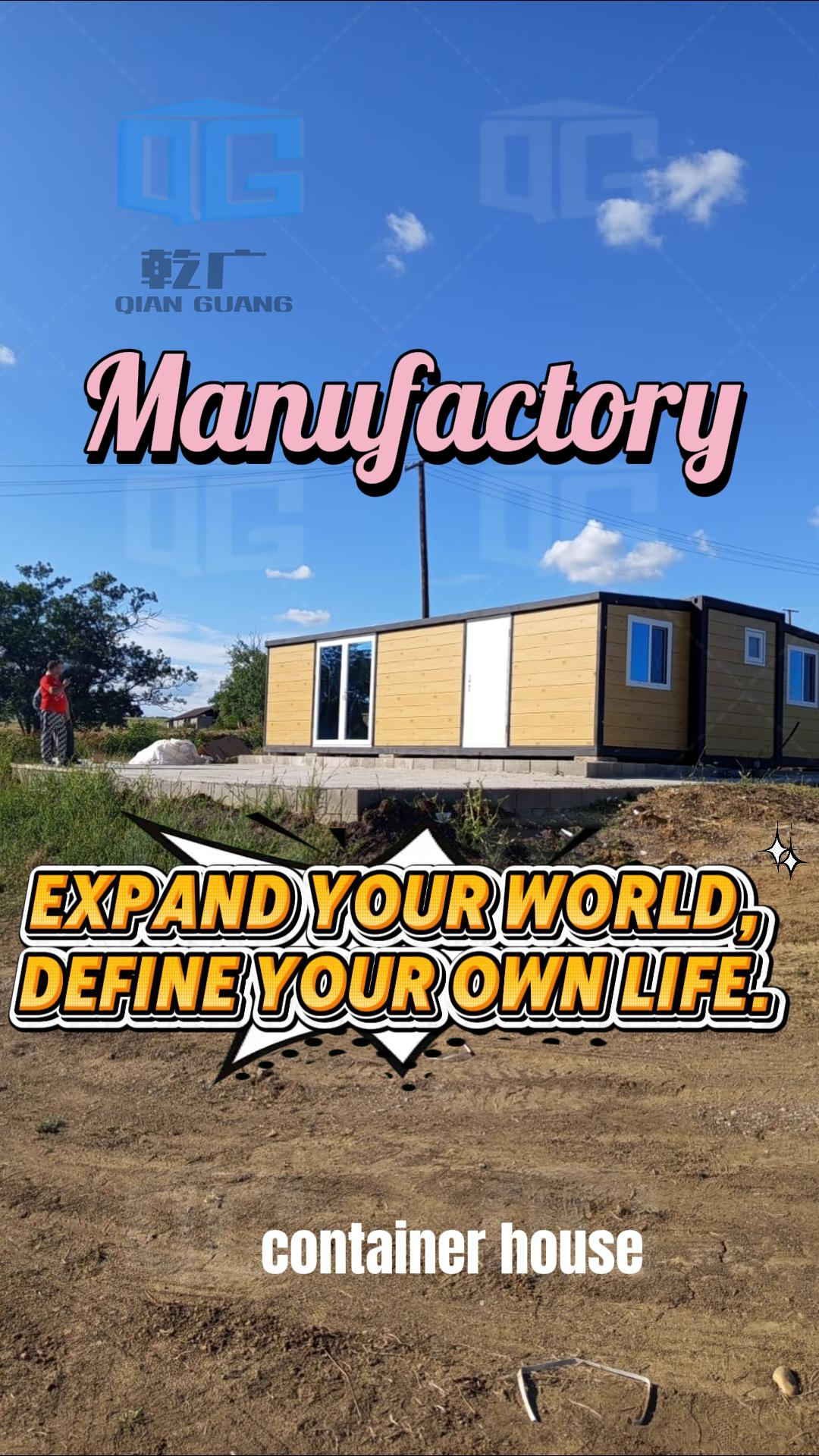
The Science of Thermal Insulation in Container Houses
Understanding thermal resistance (R-value) in container insulation
When it comes to how well container homes handle temperature extremes, we need to start by talking about R-values first. These numbers basically tell us how good a material is at stopping heat from moving through it. Now steel containers bring some serious challenges because they conduct heat so easily. We're talking about something like 500 times more conductive than regular wooden frames according to ZW Steel Buildings research from last year. That kind of conductivity means heat just flows right through those metal walls, which is why getting the right insulation becomes absolutely critical if anyone wants their living space to stay comfortable regardless of outside conditions. Most builders will tell clients to pick insulation materials that match what their local climate demands in terms of R-values. Doing this makes sure the finished container house stays energy efficient while keeping residents happy over the long haul.
Why steel containers require advanced insulation due to high thermal conductivity
Steel conducts heat instead of keeping it out, which creates these thermal bridges that let heat move quickly from inside to outside and vice versa. When there's no good insulation, temperatures inside containers can get really hot during summers sometimes over 120 degrees Fahrenheit and then plunge below freezing points in winter months depending on where they're located. Because of this problem with heat moving through steel, we need insulation solutions that have strong R values but also cover all areas without gaps so they stop heat from escaping or entering through those metal parts. Getting this right makes a big difference for maintaining comfortable conditions inside buildings made with steel structures.
Heat transfer mechanisms in steel structures and how insulation interrupts them
Steel containers let heat pass through them in three main ways: conduction, convection, and radiation. The metal itself conducts heat right through those thick walls and along the C-channel frames. Inside, warm air rises and cooler air sinks creating circulation patterns we call convection. Then there's radiation, which basically means heat bouncing off surfaces to other parts of the container. Good insulation fights back against all these heat paths by adding what they call thermal breaks these are just continuous layers of stuff that stops the heat from moving so easily. When builders install exterior insulation properly without any gaps between sections, it cuts down on heat loss through those problem spots called thermal bridges by around 40 percent. That makes a big difference for keeping things cool in summer and warm in winter, no matter where the container sits.
Best Insulation Materials for Container Homes: Performance and Applications
Selecting the right insulation is crucial for transforming a steel shipping container into a comfortable, energy-efficient living space. The unique thermal properties of steel demand materials that provide high R-values, manage moisture, prevent condensation, and maintain structural integrity across varying climates.
Spray foam insulation: Superior air sealing and temperature control
Spray foam insulation stands out as one of the best options for container homes because it seals air gaps really well and offers great thermal protection. When applied, the material expands into all those tiny spaces, creating a continuous barrier that cuts down on thermal bridging which is a real problem in steel buildings. The closed cell version can reach around R-6.5 per inch according to Energy Star standards from 2023, making it much better at stopping heat loss than many alternatives. Plus, the tight seal helps manage moisture levels inside, so there's less chance of condensation building up on metal surfaces where it might cause rust spots or encourage mold growth over time.
Rigid foam panels vs. spray foam: Comparing durability and R-value
Spray foam insulation and rigid foam panels both perform well thermally, but they work differently depending on where and how they're used. Take XPS rigid boards for instance these usually give about R-5 per inch of insulation while standing up pretty well against moisture, which is why contractors often spec them for walls and foundations inside or outside buildings. The catch? Getting good results means paying close attention to those gaps between panels during installation otherwise warm air will find its way through. Spray foam tells a different story altogether. When applied properly, it forms one solid layer without any seams, which actually gives better insulation value because there's nowhere for drafts to sneak in. Of course this comes at a price point that's typically higher than rigid boards, plus most folks need to hire professionals since DIY jobs can go sideways fast if not done right.
Rockwool and expanded polystyrene: Fire resistance, moisture handling, and sustainability
People who care about fire safety and want to reduce their environmental footprint might find mineral wool rockwool and expanded polystyrene EPS worth considering. Rockwool can withstand temperatures over 1000 degrees Celsius, which makes it really good for protecting steel framed homes during fires. Plus, it does an amazing job at reducing noise and resisting moisture damage. Expanded polystyrene provides solid insulation with around R4 per inch rating, plus it's light on weight and can actually be recycled. The catch though is that builders need to pay close attention to vapor barriers when installing EPS to prevent any water problems down the road. From a sustainability standpoint, both materials have their advantages. Rockwool is made from recycled industrial waste products like slag and natural stones, while EPS generally has less embodied energy compared to other types of foam insulation commonly used in construction today.
Cold Climate Design: Ensuring Warmth and Efficiency in Sub-Zero Environments
Preventing heat loss through walls, roof, and floor in extreme cold
Keeping buildings warm when temps drop below freezing needs good insulation throughout the entire structure. Walls, roofs and floors should all have continuous insulation so cold doesn't sneak through those steel frames. For floors, putting rigid foam under the slab works well. Spray foam fills up wall cavities nicely while extra thick layers on roofs really make a difference. Don't forget vapor barriers either they go on the warm side of insulation to stop moisture from building up inside walls. This helps maintain insulation performance and keeps the building itself from getting damaged over time.
Effective thermal insulation methods for winter conditions
During those brutal winter months, spray foam really shines because it expands to fill all sorts of weird gaps and cracks, stopping cold drafts from sneaking in. When dealing with super cold areas, mixing spray foam with some rigid board insulation actually boosts the whole system's R-value quite a bit and cuts down on those pesky thermal bridges where heat escapes. Adding reflective insulation on top helps keep even more warmth inside by cutting back on radiant heat loss. And don't forget about proper ventilation either. Without enough airflow, moisture builds up inside walls and eventually turns into condensation problems. Getting this balance right makes all the difference for homes in colder regions.
Case study: Container home performance in Scandinavian winters
Research into container homes across northern Europe shows they actually work pretty well during long periods of freezing weather. Take one specific house as an example it combined spray foam insulation around all the seams with thick layers of mineral wool throughout most of the walls. The inside stayed comfortably warm at about 21 degrees Celsius when temperatures outside dropped down to minus 25. Energy bills came out roughly 30 percent lower than what's typical for regular buildings in the area because of how well insulated everything was plus smart positioning to capture sunlight through windows. So while nobody would call container housing perfect, these findings suggest that properly built units can handle harsh winters without breaking the bank on heating costs.
Moisture and Condensation Control in Steel Container Structures
Vapor barriers and moisture management in the building envelope
When steel conducts heat so well, it actually makes condensation problems worse whenever warm moist air inside meets those chilly metal surfaces, particularly in places where temperature is carefully regulated. What happens next? Hidden corrosion starts eating away at things while mold finds its way into walls where nobody expects it. Putting up a vapor barrier on the warmer side of insulation remains absolutely critical if we want to stop moisture from moving through unintended paths. Combine that with good airflow throughout the space, and suddenly we create conditions that protect not only our steel framework but also maintain better indoor air for everyone living there. A recent study looking at modular buildings showed something alarming too: more than six out of ten early failures in converted shipping container homes happened because builders didn't handle moisture properly around all those modifications they made. That should tell us everything we need to know about how important proper moisture handling really is.
Preventing condensation during temperature swings in steel containers
Steel reacts pretty strongly to changes in temperature, gaining or losing heat quickly which creates perfect spots for condensation to form. Insulation systems need to keep surfaces at stable temperatures throughout buildings. Studies indicate that tiny air gaps in construction can actually lead to moisture collecting inside wall cavities over time, and before long fasteners start corroding. That's why many professionals recommend continuous insulation with properly sealed connections between different parts of the building envelope. This approach keeps temperatures more balanced and cuts down on condensation problems when weather conditions change suddenly.
Climate-Adaptive Insulation Strategies for Year-Round Comfort
Tailoring insulation to climate zones: Cold, hot, humid, and windy regions
The best insulation methods really come down to what kind of weather dominates an area. When it gets freezing outside, folks tend to go for those high R-value options such as spray foam or rigid board stock because they keep warmth inside where it belongs. On the flip side, places baked by sun all day work better with reflective stuff that bounces back sunlight instead of letting it cook everything inside. For areas where humidity hangs around like a bad smell, builders often reach for closed cell foam or mineral wool that won't let moisture hang around and invite mold growth. Coastal spots battered by wind and saltwater demand something tough enough to stand up against constant battering while keeping drafts out completely. Getting this right means container dwellings can stay cozy no matter if they're sitting in a desert or perched right on a beachfront property somewhere warm and wet.
Hybrid insulation systems for optimal interior temperature regulation
Using different kinds of insulation together really boosts how well containers perform when it comes to temperature control. Some builders combine spray foam that seals out air gaps and keeps heat from transferring through metal parts, along with rigid foam boards that give an extra layer of warmth. Others mix in mineral wool because it's good at stopping fires, plus reflective materials that bounce back radiant heat. All these layers stack up to keep things comfortable inside without needing so much heating or cooling power. Take steel wall construction for example spray foam applied right onto those cold conducting surfaces stops heat from moving through them like it normally would. Then there's the cavity insulation sitting behind that which acts as sort of a buffer zone against temperature swings. When all these elements work in hand, buildings stay protected throughout both winter chill and summer heat waves.
Improving energy efficiency: Reducing heating and cooling loads in container houses
Insulation makes a big difference when it comes to saving money on heating and cooling bills. Research shows buildings with good insulation can cut down their energy needs by around 40% compared to those made from bare steel. When installed properly throughout all parts of the structure including walls, roofs, and floors, insulation works best at stopping heat from moving where it shouldn't. Container home builders find continuous insulation especially helpful because these repurposed shipping containers tend to have lots of gaps between sections that let cold air in during winter months. Better insulation means lower monthly expenses for residents while also being kinder to the planet. More and more people are turning to insulated container homes not just for cost savings but because they genuinely want to live in something that doesn't drain resources needlessly.
FAQs
What is the R-value?
The R-value is a measure of how well insulation can resist heat flow. Higher R-values indicate better insulating properties.
Why is insulation crucial for container homes?
Insulation is crucial for container homes because steel containers have high thermal conductivity, allowing heat to move easily through their walls. Proper insulation ensures energy efficiency and comfort in varying climates.
What are the primary types of insulation used in container homes?
Spray foam insulation, rigid foam panels, rockwool, and expanded polystyrene are commonly used for their thermal properties, moisture resistance, and fire safety.
Can container homes be used in extreme climates?
Yes, with appropriate insulation strategies, container homes can maintain comfortable temperatures even in harsh climates such as extremely cold or hot regions.
Table of Contents
- The Science of Thermal Insulation in Container Houses
- Best Insulation Materials for Container Homes: Performance and Applications
- Cold Climate Design: Ensuring Warmth and Efficiency in Sub-Zero Environments
- Moisture and Condensation Control in Steel Container Structures
- Climate-Adaptive Insulation Strategies for Year-Round Comfort