EN
EN



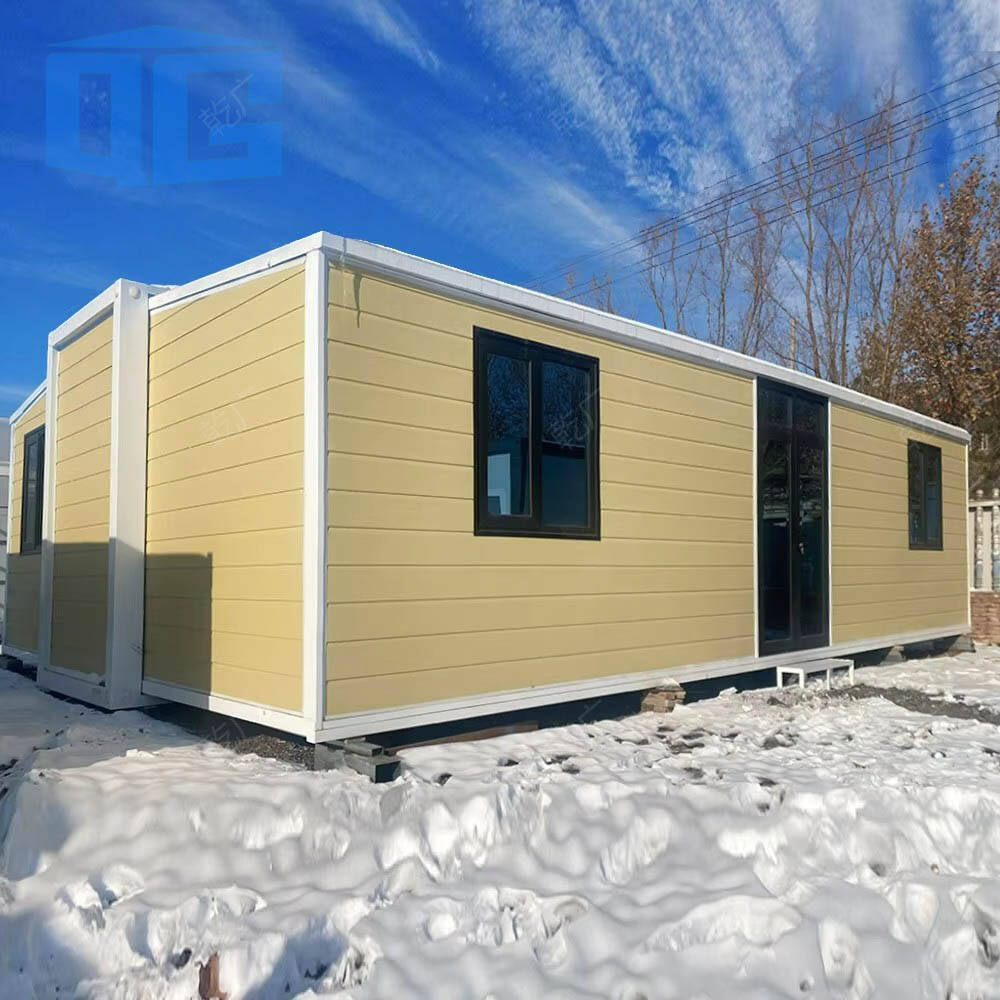
Structural Integrity and Material Selection for Extreme Climate Resilience
Corrosion-resistant steel grades and protective coatings for coastal or sub-zero environments
Choosing the right type of steel makes all the difference when it comes to how long container houses last in tough weather conditions. Corten steel, also known as ASTM A606 Type 4, forms a protective layer on its surface that really helps slow down rusting from air exposure. This kind of steel works great in areas where there's lots of moisture in the air or places that experience frequent freezing and thawing cycles. On the other hand, hot dip galvanized steel offers something different too. The zinc coating actually sacrifices itself to protect the underlying metal, which is why this material is so important for buildings near the ocean where salt spray is constantly attacking structures. Add an epoxy-polyurethane coating on top of galvanized steel and these systems can hold up against marine conditions for more than half a century according to research published by NACE International back in 2022. When dealing with extremely cold environments, especially those dropping below minus 40 degrees Fahrenheit, impact resistant materials such as ASTM A1011 become necessary choices. These special steels help avoid cracking problems that might happen during earthquakes or sudden temperature changes.
| Steel Type | Best For | Protection Mechanism | Cost Factor |
|---|---|---|---|
| Corten (Weathering) | Inland harsh climates | Self-protecting patina layer | 1.8x |
| Hot-Dip Galvanized | Coastal/marine zones | Zinc sacrificial barrier | 1.5x |
| Epoxy-Coated | Chemical exposure | Impermeable polymer shield | 2.2x |
Reinforced load paths, seismic bracing, and snow/wind-rated structural modifications
To handle all those environmental stresses, container homes need special reinforcement work. When it comes to earthquakes, diagonal bracing built right into those moment resisting connections does a pretty good job at moving those sideways forces around the building. Tests show this can cut down on how much the floors move relative to each other by as much as 70%, according to the latest ASCE guidelines from 2022. Up in mountain areas where snow gets heavy (over 250 pounds per square foot), most engineers will call for extra framing spaced every 16 inches apart, some cross bracing across the roof to stop it from collapsing inward, and strong foundation anchors that can hold against winds trying to lift the whole thing off. Want better protection against storms? Many builders now add sloped roofs and set doors back into walls instead of sticking them out front. These changes alone seem to drop wind pressure by about 40% when tested against regular container shapes, based on recent studies done in Florida's building labs last year.
Advanced Insulation Strategies to Combat Thermal Bridging in Container Houses
Why R-value is insufficient: addressing thermal bridging in steel-framed container houses
The R-value metric doesn't tell the whole story when it comes to how well container homes actually perform thermally. One big reason is something called thermal bridging, where heat moves quickly through those steel frames we use for structural support. Steel conducts heat about 300 to 400 times faster than most insulation stuff out there, which means those C-shaped channels and corner posts become little heat expressways without anyone really noticing. When left unchecked, this effect can cut down on what should be good insulation performance by around 30%, even if someone installs top quality high R-value insulation. Things get worse in places with lots of moisture or near coastlines. The thermal bridging creates condensation problems right behind the insulation layer at these cold metal spots, speeding up rust formation by approximately 80% according to research published in ASHRAE's Handbook Fundamentals back in 2023. To fix this issue properly, builders need to implement continuous insulation techniques that create a thermal barrier between the steel framework and the living areas inside the containers.
Optimal insulation systems by climate zone: spray foam, rigid board, and vacuum panels for ASHRAE Zones 7–8
For Arctic and subarctic climates (ASHRAE Zones 7–8), three insulation approaches deliver proven thermal break performance:
| Insulation Type | R-value/inch | Key Advantage | Climate Application |
|---|---|---|---|
| Spray foam | R-6–7 | Seals irregular gaps and eliminates air leakage | All Zone 7–8 environments |
| Rigid board | R-5–6 | Creates continuous exterior thermal breaks | High-wind/snow load regions |
| Vacuum panels | R-10–30 | Ultra-thin profile preserves interior space | Space-constrained retrofits |
Exterior-applied rigid foam—especially when combined with air-sealing membranes—reduces heat transfer through structural members by up to 40%, maintaining consistent envelope performance during sustained −40°F conditions. In freeze-thaw transition zones, closed-cell spray foam offers superior vapor control versus fiber-based insulations, minimizing moisture entrapment risks without requiring separate vapor barriers.
Weather-Tight Envelope Design: Windows, Doors, and Sealing for Container Houses
Thermally broken, triple-glazed fenestration and air-sealing best practices for extreme cold
Arctic grade container homes rely on special window and door frames with thermal breaks made from materials like polyamide to stop direct metal contact between components. This simple modification cuts conductive heat losses by about 60% when compared to regular aluminum frames according to research from the Passive House Institute published in their Thermal Bridge Assessment Guidelines last year. The triple glazed windows come with low emissivity coatings and filled with argon gas, which brings their U values under 0.80 W per square meter Kelvin. That meets the standards needed for buildings operating in temperatures as cold as minus 40 degrees Celsius. When it comes to air sealing during installation, contractors start by placing compressible EPDM gaskets around every opening before adding flashing. Then they apply flexible sealants that work even at minus 50 degrees Celsius. After everything is assembled, the whole system needs testing to ensure airflow stays below 0.6 air changes per hour at 50 pascals pressure difference. This blower door test standard helps prevent those pesky ice dams caused by condensation while also reducing heating requirements by roughly half in areas classified as ASHRAE Zone 7.
Roof, Cladding, and Wildfire-Resistant Exterior Systems for Container Houses
Reflective, insulated roof assemblies and UV-stable coatings for desert and high-sun regions
When containers sit in areas where the sun beats down hard, their roofs need to push solar energy away instead of soaking it up. Coatings that reflect sunlight well, especially those with an SRI rating over 90, can cut roof surface temps by around 50 degrees Fahrenheit compared to regular painted steel surfaces. For best results, these reflective coatings work wonders when applied on top of good insulation materials like closed cell spray foam or vacuum insulated panels, which stop heat from moving down through the material. In desert climates specifically, there are several smart adaptations worth considering. First, coatings made to withstand UV damage will last longer without breaking down. Second, metal roofs with ventilation channels help blow out the heat that gets trapped inside. And finally, special finishes that emit heat efficiently send the absorbed infrared radiation right back out into the air, keeping things cooler overall.
Fire-rated cladding options: fiber-cement, metal rainscreen, and cementitious systems
In regions where wildfires are common, buildings need cladding materials rated for Class A fire resistance according to ASTM E84 standards. Some effective options on the market today include fiber cement panels offering about an hour of fire protection plus joints designed to resist embers. Another good choice is ventilated metal rainscreens which work by creating air gaps between surfaces to slow down how heat moves from one material to another. There's also special cement based coatings that actually swell when exposed to flames, forming protective char layers that insulate against extreme temperatures. Together, these different approaches cut down on flame spread compared to regular steel by roughly 85 percent, all while keeping structures intact even when temps go past 1200 degrees Fahrenheit. What's important though is making sure there are no gaps or interruptions in the thermal breaks during installation because otherwise those tiny heat paths can seriously undermine the whole fire protection system.
FAQ
What is ASTM A606 Type 4 steel?
ASTM A606 Type 4 steel, also known as Corten steel, is a corrosion-resistant steel that forms a protective layer or patina on its surface when exposed to air, making it ideal for areas with high moisture or freezing/thawing cycles.
Why is thermal bridging a concern in container houses?
Thermal bridging occurs when heat moves swiftly through steel frames, compromising insulation effectiveness. It can result in condensation issues, especially in moist or coastal environments, increasing the risk of rust and reducing overall energy efficiency.
How do reflective coatings help in desert climates?
Reflective coatings with an SRI rating over 90 can significantly lower roof surface temperatures by reflecting solar energy away. Combined with robust insulation, they effectively mitigate heat absorption in high-sun regions.
What are some fire-resistant cladding options for container houses?
Fire-resistant cladding options include fiber-cement panels, ventilated metal rainscreens, and cementitious systems. These materials are rated for Class A fire resistance and help minimize flame spread and damage during wildfires.
Table of Contents
- Structural Integrity and Material Selection for Extreme Climate Resilience
- Advanced Insulation Strategies to Combat Thermal Bridging in Container Houses
- Weather-Tight Envelope Design: Windows, Doors, and Sealing for Container Houses
- Roof, Cladding, and Wildfire-Resistant Exterior Systems for Container Houses
- FAQ