EN
EN



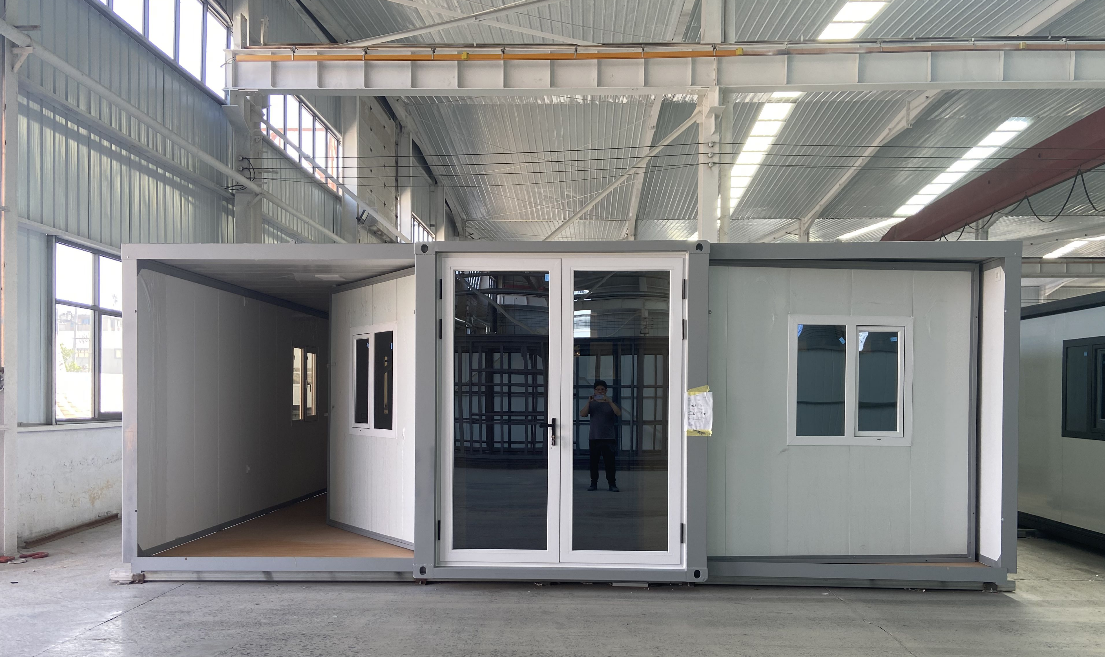
Meeting the National Construction Code (NCC) and Classification Requirements
Understanding the National Construction Code (NCC) and its application to container houses
Australia's National Construction Code, or NCC for short, serves as the main rulebook governing how buildings get designed and built across the country, right down to those trendy shipping container homes popping up everywhere lately. If someone wants to construct anything that counts as a permanent home, they need to follow all these technical specs laid out in the code. Local authorities actually rely on these standards when deciding whether a project gets approved or not. When it comes specifically to container conversions, builders face quite a few hurdles. They have to ensure everything from basic structural strength to proper insulation against the weather, plus waterproofing so no leaks develop over time. Fire safety measures are another big concern too, along with making sure the finished product meets minimum energy efficiency targets. Miss even one of these key points and what was supposed to be a forever home might end up being labeled just temporary housing instead, which can cause major headaches for anyone planning long term living arrangements in repurposed containers.
Class 1a dwelling compliance: Ensuring container homes qualify as permanent residences
For a container house to count as a proper permanent residence, it needs to get Class 1a dwelling approval according to the National Construction Code. Getting this status means meeting pretty strict rules about how sturdy the structure is, what happens in case of fire, and keeping people safe inside just like regular houses do. When making changes to containers, like cutting out spaces for doors and windows, it's really important to bring in licensed engineers and building inspectors who can check everything still holds together properly. The application process involves gathering lots of paperwork too. People need to prepare things like detailed drawings of the floors, where utilities will go, plus all those official engineering reports showing everything meets the standard requirements for residential buildings.
Key benchmarks for approval: Aligning with Building Code of Australia (BCA) standards
To get council approval for container homes, they need to follow the Building Code of Australia (BCA) that's part of the National Construction Code. The main things councils look at are how well containers hold up against wind, snow, earthquakes and other forces; proper fire safety measures; and meeting basic energy efficiency standards. Local authorities often throw in extra requirements depending where the home is built. For instance, places prone to bushfires might demand special fireproof materials while coastal regions in the north typically require stronger connections to withstand cyclones. Getting all this paperwork sorted out showing compliance isn't just good practice it's absolutely necessary if someone wants their container house recognized officially as a permanent residence rather than some temporary structure.
Structural Integrity and Engineering Certification Under Australian Standards
Engineering certification for modified shipping containers: Proving structural safety
Getting engineering certification is pretty much required when someone wants to show their modified shipping container can actually hold up as permanent living space. The reports need to check whether changes like making holes in walls or bolting on extra steel weaken the container so it still handles all the weight it should. Most of these evaluations follow standards set out in something called AS/NZS 4100 from 2020 about building with steel. This gives local authorities solid documentation that whatever got built meets safety requirements over time instead of just looking good at first glance.
Compliance with AS 1170: Designing for wind, snow, and seismic loads
When building container homes, engineers need to follow AS 1170 standards that outline how structures should handle different environmental forces throughout Australia. For properties near the coast, special attention goes to making sure they can withstand those powerful cyclones blowing at over 200 km/h. Up in mountainous areas where snowfall is heavy, the design needs extra reinforcement against all that weight pressing down on roofs. There's also something called seismic provisions that come into play in certain parts of the country. These require stronger bracing systems and better connection points between containers. Following these guidelines isn't just good practice it actually makes a big difference when storms hit or earthquakes shake things up. Plus, meeting these specs helps get approvals from local authorities who inspect buildings before they're occupied.
Case study: Achieving cyclonic wind resistance in North Queensland container homes
A container home built in the coastal region of North Queensland met all necessary cyclone wind standards thanks to some smart engineering upgrades. The builders added extra reinforcement at the corners, put in more cross bracing throughout the structure, and installed certified tie down systems designed specifically for Category 4 storms. After getting an independent engineering check, they found out the house could handle wind pressures exceeding 2.5 kilopascals. This meant it passed not just the AS 1170.2 regulations but also met what the local council requires for areas prone to strong winds. The combination of these modifications made sure the home would stand up against even the worst weather conditions expected in that part of Australia.
Thermal Performance and Energy Efficiency in Accordance with Australian Standards
Achieving a 6-7 star NatHERS rating in container home designs
In Australia, container homes need to hit at least the 6-star mark on the NatHERS rating system for energy efficiency, though plenty of newer models actually manage around 7 stars these days. The really good performance numbers come from things like proper insulation throughout, reducing those pesky thermal bridges where heat escapes, making sure everything is sealed tight against drafts, and installing windows that block out excess heat while letting light in. Studies indicate that when builders focus on improving thermal performance through retrofits, they can cut down yearly energy needs quite dramatically. Take Darwin for instance, where temperatures get absolutely brutal. There, optimized retrofitting has been shown to slash energy consumption by roughly 85.6 kWh per square meter annually. This not only helps boost the overall energy rating but also means homeowners spend significantly less money on running their homes over time.
Insulation, ventilation, and climate-responsive design for extreme Australian conditions
Good insulation plays a key role in dealing with Australia's extreme temperature swings from one season to another. Reflective coatings on roofs, those fancy phase change materials that absorb heat, plus traditional bulk insulation all work together to cut down indoor temperatures by around 5 or 6 degrees Celsius during summer heatwaves, yet still keep homes warm when winter rolls around. Smart building practices make a big difference too. Things like positioning buildings to take advantage of prevailing winds, designing spaces for proper airflow between rooms, and incorporating materials that store heat naturally can regulate temperatures without needing so much air conditioning or heating equipment throughout different parts of the country.
Integrating passive design principles in prefabricated container housing
The prefabrication process makes it possible to incorporate passive design principles effectively in container homes. When building modules in factories, important aspects such as proper solar positioning, airflow channels between rooms, and continuous insulation layers get integrated right from the start, all under controlled conditions. Building components off site results in better sealed structures and fewer places where heat can escape, which cuts down on energy needs by around 30 percent when compared to traditional methods. Container home builders find that this method not only helps them comply with current energy regulations but frequently goes beyond what's required, all while keeping the structural integrity intact and ensuring residents stay comfortable throughout different seasons.
Electrical, Plumbing, and Utility Systems Compliance
Adhering to AS 3000 (electrical) and AS 3500 (plumbing) standards in compact layouts
Even though space is limited in container homes, they still need to follow AS 3000 rules for electrical work and meet the requirements of AS 3500 for all plumbing and drainage stuff. These regulations cover important basics like how circuits should be laid out safely, making sure everything is properly grounded, getting good water supply running through the house, and managing waste effectively without problems. When designing these homes from scratch, builders have to think ahead about clearances around fixtures, how easy it will be to access different parts later on, and what materials actually work best for each application. Skipping these steps often leads to costly fixes down the road when inspections find issues, which nobody wants because nobody likes paying extra money just to fix something that wasn't done right in the first place.
Pre-fitted service modules: Accelerating certification and site installation
When it comes to service modules installed at the factory, they really do make things easier for compliance issues and getting everything set up on site. The pre-engineered units come complete with certified electrical switchboards, plumbing manifolds, and all necessary utility connections. What's great is these components have already gone through rigorous testing in controlled environments prior to shipping out. Full documentation accompanies each unit, which means better quality control overall. Inspections take less time because most of the work has been done already. Installation speeds up considerably too. Plus, everyone knows these systems meet both AS 3000 and AS 3500 standards from day one, so there are no surprises down the road about regulatory compliance.
Waterproofing, Fire Safety, and Occupant Protection Standards
Advanced waterproofing solutions compliant with AS 4654.2 for steel-based structures
Container homes require robust waterproofing systems compliant with AS 4654.2, which governs external above-ground membranes for steel substrates. This standard mandates resistance to water ingress, UV degradation, and thermal expansion. Proper flashing, compatible sealants, and integrated drainage systems prevent moisture penetration that could damage structure or affect indoor air quality.
Fire-resistant materials and safe egress design per NCC Volume 2 requirements
Container homes need to comply with the fire safety standards outlined in NCC Volume 2. This means using materials that won't catch fire easily inside the living spaces and throughout the structural framework. For getting out safely during emergencies, there should be clear ways to exit the building, proper doors rated against fire spread, plus smoke detectors connected so they all go off together when needed. These safety features not only protect people living there but also make sure everything meets what authorities expect from regular houses when it comes to responding to fires and other emergencies.
Post-Grenfell regulations: Using compliant cladding and insulation systems
Following the Grenfell Tower incident, Australian authorities have tightened rules regarding flammable exterior building materials. For container homes specifically, builders are required to install cladding and insulation systems that meet the National Construction Code's Deemed-to-Satisfy standards. This applies especially to structures that are multiple stories high or connected to other buildings. Before approval, all materials need thorough testing to show they won't catch fire easily and won't spread flames quickly across surfaces. These updated requirements aim to improve overall fire safety while making sure everyone follows the necessary building codes and regulations.
FAQ
What is the National Construction Code (NCC)?
The NCC is Australia's main regulatory document for building design and construction, ensuring safety, health, and sustainability standards are met across the country.
What is needed for a container home to qualify as a Class 1a dwelling?
A container home needs to meet strict standards for structural stability, fire safety, and occupant protection to be approved as a permanent residence.
Why is engineering certification important for container homes?
Engineering certification ensures that modifications to shipping containers are structurally safe and comply with Australian Standards.
How can container homes achieve high energy efficiency?
Through proper insulation, airtight construction, and passive design principles, container homes can achieve high energy efficiency ratings, such as a 6-7 star NatHERS rating.
What are the key compliance standards for container homes?
Container homes must comply with various Australian Standards and NCC requirements, including those for structural integrity, thermal performance, waterproofing, fire safety, and utility systems.
Table of Contents
- Meeting the National Construction Code (NCC) and Classification Requirements
- Structural Integrity and Engineering Certification Under Australian Standards
- Thermal Performance and Energy Efficiency in Accordance with Australian Standards
- Electrical, Plumbing, and Utility Systems Compliance
- Waterproofing, Fire Safety, and Occupant Protection Standards
- FAQ