EN
EN



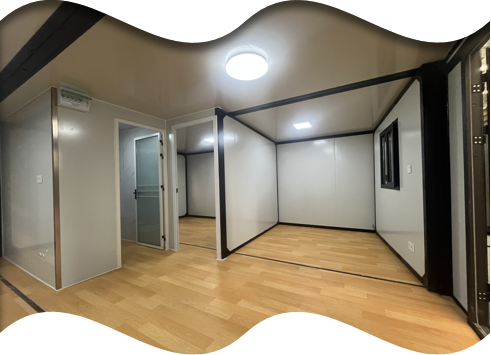
Understanding Australian Granny Flat Regulations and Container House Compliance
What Defines a Granny Flat Under Australian Building Regulations?
Granny flats, sometimes called secondary dwellings, are basically small homes built on the same property as someone else's main house. Most measure between 60 and 80 square meters, although this can change depending on where they're built. For instance, Brisbane allows up to 80m² while Ipswich limits them to just 50m². These units need to meet certain building standards set out in the National Construction Code, specifically the Class 1a rules about what makes a space livable. There are specific requirements too like having ceilings at least 2.4 meters high, rooms that aren't too cramped, and special accessibility features according to standard AS 4299 if people want their homes to be adaptable later. Getting permission from the local council is absolutely necessary though, since rules vary quite a bit from one state to another. That's why talking to local officials right at the start of any project makes so much sense.
How Container Houses Align With Local Council Zoning and Dwelling Requirements
If container houses are properly designed according to residential planning rules, they actually stand a good chance of meeting local zoning and housing requirements. Local authorities look at several key aspects including whether the area is zoned for residential use, how far back from property lines the structure sits, maximum allowed height, and how well it blends in visually with nearby properties. Take New South Wales as an example where granny flats are allowed under the State Environmental Planning Policy from 2021, but only if builders follow all the local guidelines. Container homes tend to work best when constructed with solid foundations, reinforced structures, and appropriate outer finishes that match neighborhood aesthetics. The catch? Some local councils still have reservations about unconventional building materials. That's why talking things over with officials before submitting any paperwork becomes so important for showing compliance and making sure the approval process goes smoothly without unnecessary delays.
Minimum Size, Accessibility, and Safety Benchmarks for Secondary Dwellings
For a dwelling to count as a granny flat, it needs to pass certain tests regarding size, access, and safety regulations. Most places set minimum floor space somewhere between 40 square meters and 90 square meters. Some regions also have extra land requirements; take the Australian Capital Territory for instance where properties need at least half an acre before adding a secondary dwelling. When it comes to getting around, building codes like NCC and AS 4299 are pretty specific about things like no steps at entrances, doorways wide enough for wheelchairs (usually around 85 cm minimum), and bathroom walls that can handle grab rails later on if needed. Safety matters too. The materials should resist fires, there has to be proper air flow throughout, structures need to stand up against bad weather, and surfaces must protect against rust and decay over time. Container homes actually work well here. As long as they get good insulation, proper waterproofing, and follow all those rules mentioned earlier, containers can become quite livable spaces that tick all the boxes for people wanting something affordable yet compliant with local laws.
Design Features of Container Houses That Meet Granny Flat Livability Standards
Customizable Layouts in Container Houses for Functional Living Spaces
Container homes give designers a lot of creative freedom, which is why they work so well for small granny flats that need to be both practical and space-saving. Most people go with standard sized shipping containers either 20 feet or 40 feet long. These can stand alone as tiny studios or get connected together to create bigger living areas when needed. Inside, walls can be added where necessary, plus there's plenty of built in storage options and furniture that serves multiple purposes. This means separate areas for sleeping, cooking, and relaxing without feeling cramped. The way these containers stack and connect makes the most out of whatever land space is available, something that matters a lot for second homes sitting on already crowded residential properties.
Thermal Performance and Insulation Upgrades in Repurposed Containers
Good insulation makes all the difference when it comes to keeping container homes at a comfortable temperature throughout the seasons. Steel without proper insulation will just conduct heat too fast, which means sweltering summers inside and freezing winters unless something is done about it. Most modern container home projects these days incorporate materials like spray foam insulation, rigid foam panels, or even mineral wool between the walls, under floors, and in ceiling spaces. These materials help reach those R-value requirements set out by the National Construction Code for energy efficiency. Some builders also install thermal breaks and reflective barriers to cut down on heat movement and prevent moisture buildup problems. This combination works pretty well for maintaining steady indoor temperatures no matter what kind of weather hits different parts of Australia.
Window Placement, Natural Lighting, and Ventilation in Container-Based Granny Flats
Good window placement makes all the difference when it comes to turning shipping containers into comfortable homes with plenty of light and fresh air flowing through them. Putting glass on the north side captures sunlight naturally throughout the day, which means people inside don't need to turn on lights as much during daylight hours. When windows are placed opposite each other along with some louvre systems and roof level vents, this creates what builders call cross ventilation. The result? Cleaner air circulating around the space while keeping dampness at bay. Adding skylights up high plus those tall narrow windows called clerestories brings even more brightness deep into the heart of the home where it might otherwise be dark. Beyond making life inside more pleasant for residents, these design choices actually meet important building code standards about how much natural light needs to reach living areas according to local regulations.
Incorporating Accessible Design Features for Elderly or Disabled Occupants
When it comes to container homes, they actually work really well for older adults or people with disabilities when properly modified. The design usually features wider doors so wheelchairs can pass easily, no steps at entry points, and spacious floor plans that make getting around much simpler. Inside the bathrooms, there are often roll in showers without any raised edges, floors treated to prevent slips, counters that can be adjusted to different heights, and sturdy walls where grab bars can be installed later if needed. Most importantly, these containers are built as single story units with plenty of room to maneuver throughout the space. This meets Australian standards for accessible housing (AS 4299) and complies with National Construction Code requirements too. What this means in practice is that container based granny flats become genuinely accessible spaces where everyone feels safe and comfortable regardless of their physical abilities.
Ensuring Structural Integrity and Long-Term Durability in Container House Builds
Using High-Grade Steel Containers for Long-Term Stability
Container homes get their toughness from corten steel shipping containers that were made to survive brutal ocean voyages and stack on top of each other without damage. What makes this steel special is that it's strong yet not too heavy, plus it creates its own rust-like coating which actually stops more rust from forming over time. For those tiny houses we call granny flats, these old cargo boxes can last decades if certain rules are followed. First off, the container needs to be in good shape already. Second, don't mess with it too much outside what engineers recommend. And finally, when someone cuts into the metal or joins pieces together, proper reinforcement becomes absolutely essential for safety reasons.
Corrosion Resistance and Weatherproofing Techniques in Container House Construction
Container homes need good protection against corrosion if they're going to last long in Australia's different climates, particularly along the coast where salt air does serious damage over time. The standard approach involves first applying an epoxy primer, then moving on to a zinc rich base coat before finishing with ceramic topcoats that form a barrier against moisture getting through. Getting proper ventilation sorted out is just as important as installing moisture barriers and making sure there are good drainage systems in place around the property. These things work together to stop condensation build up and puddles forming, both of which speed up rusting processes. With regular checks and maintenance done properly, most container granny flats should hold up well structurally for anywhere between thirty and fifty years depending on how harsh their specific location happens to be.
Foundation Systems Tailored for Portable Granny Flat Installations
When building container homes, getting the right foundation is really important because it needs to hold things steady while still allowing possible moves later on. Pier and beam setups work great here since they don't mess up the ground too much and let people relocate these structures if needed. That makes them perfect choice for those temporary spaces like granny flats that might get moved around. If someone wants something that stays put forever though, going with concrete slabs plus those waterproof membranes gives better support against wetness problems. No matter what kind of base gets used, most will include ways to keep everything level. And in areas prone to earthquakes? Well then extra precautions become necessary obviously. The goal is always keeping containers safe and stable regardless of how shaky or soggy the land happens to be underneath.
Achieving Building Code Compliance and Council Approval for Container Granny Flats
Compliance With NCC Class 1a and Class 10 Standards for Granny Flats
When turning shipping containers into granny flats, they need to follow the NCC Class 1a rules for permanent living spaces. These standards cover things like how strong the structure needs to be, what kind of fire protection is required, making sure people can get out safely in emergencies, setting minimum ceiling heights, and meeting energy efficiency targets. Containers that haven't been changed much might technically be classified as Class 10 structures since they're not meant for habitation originally. But once someone starts converting them for actual living purposes, all those Class 1a regulations kick in. Getting good insulation right, proper airflow throughout the space, installing windows that allow escape during emergencies, and designing interiors according to code are essential steps. Doing this work properly allows these old containers to become safe and comfortable homes while still retaining their solid construction qualities from when they were on the ocean.
Engaging Licensed Professionals for Engineering Certification of Container Houses
Getting engineering certification isn't something that can be skipped when going through the approval process. Structural engineers who are licensed look at several key factors including how much weight the container can actually hold, whether the welds are strong enough, and any changes made like cut outs or stacking multiple units on top of each other. These experts make sure everything meets standards outlined in AS 4100 for steel work and double check that all reinforcement adds to stability instead of creating problems later on. Bringing in qualified professionals from the start saves money down the road because it prevents expensive redesigns. Plus, having this official paperwork makes submitting applications to councils much stronger since it shows compliance with building codes right from the beginning.
Documentation and Approval Process for Council Submissions
Getting council approval for those container granny flats means putting together quite a few documents first. Applicants need to include things like site plans showing where everything will go, engineering certificates proving structural stability, energy efficiency assessments, plus detailed construction specs. The paperwork has to show everything meets local rules about zoning areas, how far back from property lines the structure sits, maximum heights allowed, and connections to water, electricity and other utilities. Industry insiders say when folks submit all their papers properly organized from day one, they often cut down waiting periods by around 40%. Most places follow similar steps though there are differences between states and councils. Usually starts with submitting a development application form, then getting a construction certificate once approved, and finally securing an occupancy permit before anyone moves in.
Case Study: Approved Container House Granny Flat in New South Wales
In New South Wales not too long ago, someone actually pulled off building a granny flat from shipping containers, proving they work pretty well in practice. They took one standard 40 foot container and turned it into something completely livable with all the basics inside – kitchen area, bathroom facilities, plus space for sitting around and relaxing. The whole thing got official approval through the NSW Housing Special Environmental Planning Provision regulations. What's interesting is that this particular design checked all the boxes for accessibility features, met those energy saving targets everyone talks about these days, and passed structural safety tests too. All this came together because there were proper engineering certifications attached along with comprehensive blueprints showing exactly how everything would fit. And get this, the permit process only took about three months from start to finish. That shows container homes aren't impossible to get approved by authorities as long as builders take the time to do things right technically speaking and keep good records throughout the process.
FAQ
What are Australian granny flat regulations?
Granny flats are secondary dwellings on a property that must comply with the National Construction Code and local council regulations. Permission from local councils is required, and regulations such as ceiling height, accessibility features, and floor space vary by location.
How can container houses comply with local council regulations?
Container houses need to comply with residential zoning bylaws, blend with neighborhood aesthetics, and meet structural safety standards. It's crucial to consult with officials and follow local guidelines to achieve council approval.
What are the accessibility requirements for granny flats?
Accessibility standards include wider doorways for wheelchair access, no steps at entry points, grab rails in bathrooms, and adaptable design meeting AS 4299 standards.
How do container homes ensure energy efficiency and thermal performance?
Container homes utilize insulation materials like spray foam or rigid panels, thermal breaks, and reflective barriers to maintain comfortable indoor temperatures and meet NCC energy efficiency requirements.
What steps are involved in obtaining council approval for a container granny flat?
The approval process involves compiling documents like site plans, engineering certificates, energy efficiency assessments, and construction specs. Submission starts with a development application form, followed by a construction certificate and occupancy permit.
Table of Contents
- Understanding Australian Granny Flat Regulations and Container House Compliance
- Design Features of Container Houses That Meet Granny Flat Livability Standards
- Ensuring Structural Integrity and Long-Term Durability in Container House Builds
- Achieving Building Code Compliance and Council Approval for Container Granny Flats
-
FAQ
- What are Australian granny flat regulations?
- How can container houses comply with local council regulations?
- What are the accessibility requirements for granny flats?
- How do container homes ensure energy efficiency and thermal performance?
- What steps are involved in obtaining council approval for a container granny flat?