EN
EN



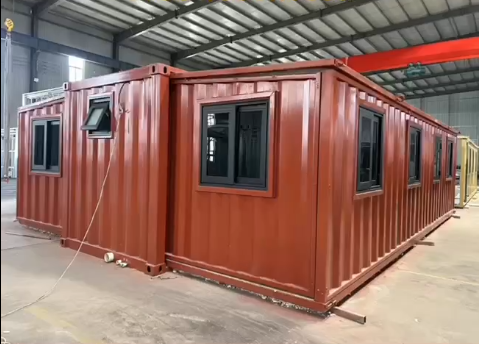
Understanding the Structural Strength of Container Houses in High Winds
How Shipping Containers Naturally Resist Wind Loads
Shipping containers were built to handle some pretty rough stuff, which is why they stand up so well against strong winds. The walls have those ribbed steel panels, and the corners are super sturdy with extra metal casting. All these parts work together to spread out wind pressure instead of letting it concentrate in one spot. Unlike regular wooden buildings that tend to have gaps and joints where problems start, containers lock together tightly with their solid steel frames throughout. Wind tunnel testing at places like Texas Tech University found that containers secured correctly can actually take on gusts over 150 miles per hour. This isn't just because of how they look from the outside either their whole construction makes them surprisingly tough when Mother Nature gets angry.
Engineering Principles Behind Wind Load Resistance in Container Homes
Container homes hold up pretty well in strong winds thanks to some basic engineering tricks. The high tensile steel used gives them that nice balance between being able to bend a little without breaking apart completely. Those corrugated walls? They actually make the whole structure stiffer when facing sideways forces from storms. Most engineers look at what kind of wind forces are common in their area according to local building regulations. Then they typically reinforce things with extra support structures, carefully placed weld points, and figure out how best to direct forces through the metal framework so everything stays intact during bad weather events. Properly built container houses can stand up to hurricane level winds in many coastal regions, with some models even certified to handle gusts reaching speeds around 170 miles per hour.
Case Study: Performance of Container Houses in Category 3 Hurricanes
Container homes have proven themselves pretty tough during big storms. Take Category 3 hurricanes for instance these blow at speeds between 111 and 129 mph. Many container homes stay standing when nearby traditional structures get wrecked. What makes them hold up so well? Strong anchoring systems, solid steel frames without gaps, and roofs that don't have those weak spots we see in regular houses. After major storms pass through, inspectors often find little to no damage on properly built containers. This has led many coastal communities to seriously consider container housing as a viable option despite harsh weather conditions.
Core Design Features That Enhance Hurricane Resistance in Container Homes
Reinforced Joints, Walls, and Roofing for Extreme Weather Durability
Shipping containers themselves are pretty tough, but if we want them to stand up against hurricanes, we need to give them some extra love. Adding steel plates to those critical spots where containers connect makes all the difference in creating one solid structure instead of separate boxes. For walls inside, putting in some bracing helps prevent them from bending too much when winds start blowing hard. Roofs get special treatment too with extra supports across them or another layer of welding to fight off that pesky uplift force which tends to tear things apart during big storms. With these improvements, container homes can actually survive winds blowing over 130 miles per hour without falling apart completely.
Impact-Resistant Windows, Doors, and Cladding Solutions
The weakest spots in homes during hurricanes tend to be all those openings where wind can get inside. That's why replacing regular windows and doors with impact-resistant models makes such good sense for storm protection. These special windows have laminated glass stuck together with something called PVB, which actually keeps shards from flying around when debris hits them. What about the outside? The exterior covering matters too. Heavy-duty materials work best here. Think about corrugated metal sheets or fiber cement panels instead of ordinary siding. When installed properly with strong fasteners, these materials form a solid barrier against both strong winds and whatever might come flying through the air during a storm.
Case Study: A Florida-Based Container Home Surviving Hurricane Ian
When Hurricane Ian hit Southwest Florida back in 2022 as a Category 4 beast, one container home stood out for being remarkably tough. The place had those strong welded connections, a roof that was extra thick, and windows rated to withstand impacts. Even though wind speeds went past 150 mph, the damage was just cosmetic stuff like broken shutters and some dented panels. All around it, regular houses got completely wrecked. Many folks lost everything. This shows why following good building practices makes such a difference when containers are converted into homes. They really can hold up better than most conventional structures during these monster storms we seem to be getting more of lately.
Foundation and Anchoring Systems for Maximum Stability in Hurricane Zones
Why Foundation Failure Is a Leading Cause of Storm Damage
According to FEMA's latest storm damage assessments from 2023, about 40% of all structural failures in big hurricanes happen because of problems with building foundations. When strong winds lift structures off their bases or when storm surges wash away supporting soil, buildings with weak foundations simply fall apart. Shipping containers behave quite differently compared to traditional wood-frame houses when it comes to how weight gets distributed across them. That's why special anchoring solutions are needed to keep these metal boxes from sliding around or flipping over completely during storms. Getting the foundation right isn't just important it's absolutely critical if buildings need to stay standing through those really bad weather events we're seeing more often these days.
Elevated Foundations and Code-Compliant Anchoring Techniques
Raising buildings on concrete pilings or piers helps prevent flood damage while making them stand up better to strong winds too. The real magic happens when these systems combine deep footings with those special tie-downs that really lock containers down to the earth below. Take helical anchors for instance they get driven right into solid soil layers and can hold their own against serious forces. Tests show these things can handle over 12,000 pounds each which is pretty impressive stuff. When builders connect each corner of the container straight to the foundation using hurricane straps plus bolts, they create this unbroken path for force that actually meets all those strict building codes required in areas prone to powerful hurricanes.
Case Study: Gulf Coast Projects Using Elevated Foundation Designs
Looking at container homes along the Gulf Coast after Hurricane Ida hit in 2022 showed something interesting about building techniques. The ones sitting on concrete pilings with those spiral anchors held up really well against winds blowing at around 120 miles per hour, and they didn't suffer any real damage even when water started coming in from flooding. Just across the street, houses that had been built on regular shallow foundations weren't so lucky - many of them collapsed completely. What this means for folks living near the coast is pretty clear. When hurricane season rolls around again, having that extra height provided by proper foundation engineering makes all the difference between standing structures and total losses.
Meeting Building Codes and Hurricane Resilience Standards for Container Houses
Designing hurricane-resistant container houses requires strict adherence to regional building codes and national engineering standards. Compliance ensures safety, longevity, and eligibility for insurance and financing in storm-prone areas.
Compliance with Local Regulations Like the Florida Building Code
Building codes in hurricane-prone regions like Florida set strict requirements when it comes to how well structures can withstand wind damage, how different parts connect together, and what kind of protection against rust they need. The rules usually demand certain pressure ratings for walls and roofs, particular ways to anchor things down securely, plus materials that are tougher than what's typically used in regular houses. When someone wants to build a home out of shipping containers, they have to get official engineering plans drawn up by licensed professionals and go through multiple inspections. This makes sure everything from the foundation up follows those exacting local regulations that Florida has put in place after so many storm seasons.
Adopting ASCE 24 and FEMA Guidelines in Coastal Construction
When it comes to coastal development, sticking to standards such as ASCE 24 for flood resistant buildings and FEMA P-320 for safe hurricane shelters makes all the difference. The real key points in these guidelines include building things up higher off the ground, designing walls that can give way during floods without bringing down the whole structure, and keeping moisture at bay. These aren't just nice suggestions either they're essential if buildings need to withstand those massive storm surges and months of wet conditions after a disaster hits. Developers who follow this stuff not only keep people safer inside their properties but also find themselves in better standing with local officials when permits are needed and insurance companies when claims come up later on.
The Role of Certification in Ensuring Long-Term Safety and Insurance Approval
Getting third party certification along with professional engineering checks is really important when it comes to showing that a container home can stand up structurally. Most insurance companies won't even look at providing coverage without proper paperwork from certified professionals, and banks usually want similar proof before they'll finance a project. When a home has this kind of certification, it shows it's ready for disasters, which makes sense in areas prone to extreme weather. Plus there's another benefit too many people don't realize right away – homes with proper certifications often get better deals on insurance rates, sometimes qualify for government grants, and might even be eligible for special incentives aimed at promoting stronger building methods across the industry.
FAQs
How do shipping containers naturally resist strong winds?
Shipping containers resist strong winds due to their ribbed steel panels, strong corners, and tight connections. These elements distribute wind pressure evenly, unlike traditional wooden structures with gaps and joints.
Can container homes withstand hurricane winds?
Yes, properly constructed container homes can withstand hurricane-level winds, with some models certified to handle gusts reaching up to 170 miles per hour.
What enhancements are necessary for container homes to resist hurricanes?
Enhancements include reinforced joints, impact-resistant windows and doors, braced walls, and strong anchoring systems to improve durability against hurricanes.
Why is foundation so important for container homes in hurricane zones?
A strong foundation prevents structures from being lifted by winds or washed away by storm surges. Special anchoring solutions are needed to keep container homes stable during hurricanes.
Do container homes need to comply with local building codes?
Yes, container homes must comply with regional building codes like the Florida Building Code to ensure safety, resilience, and eligibility for insurance purposes.
Table of Contents
- Understanding the Structural Strength of Container Houses in High Winds
- Core Design Features That Enhance Hurricane Resistance in Container Homes
- Foundation and Anchoring Systems for Maximum Stability in Hurricane Zones
- Meeting Building Codes and Hurricane Resilience Standards for Container Houses
-
FAQs
- How do shipping containers naturally resist strong winds?
- Can container homes withstand hurricane winds?
- What enhancements are necessary for container homes to resist hurricanes?
- Why is foundation so important for container homes in hurricane zones?
- Do container homes need to comply with local building codes?