EN
EN



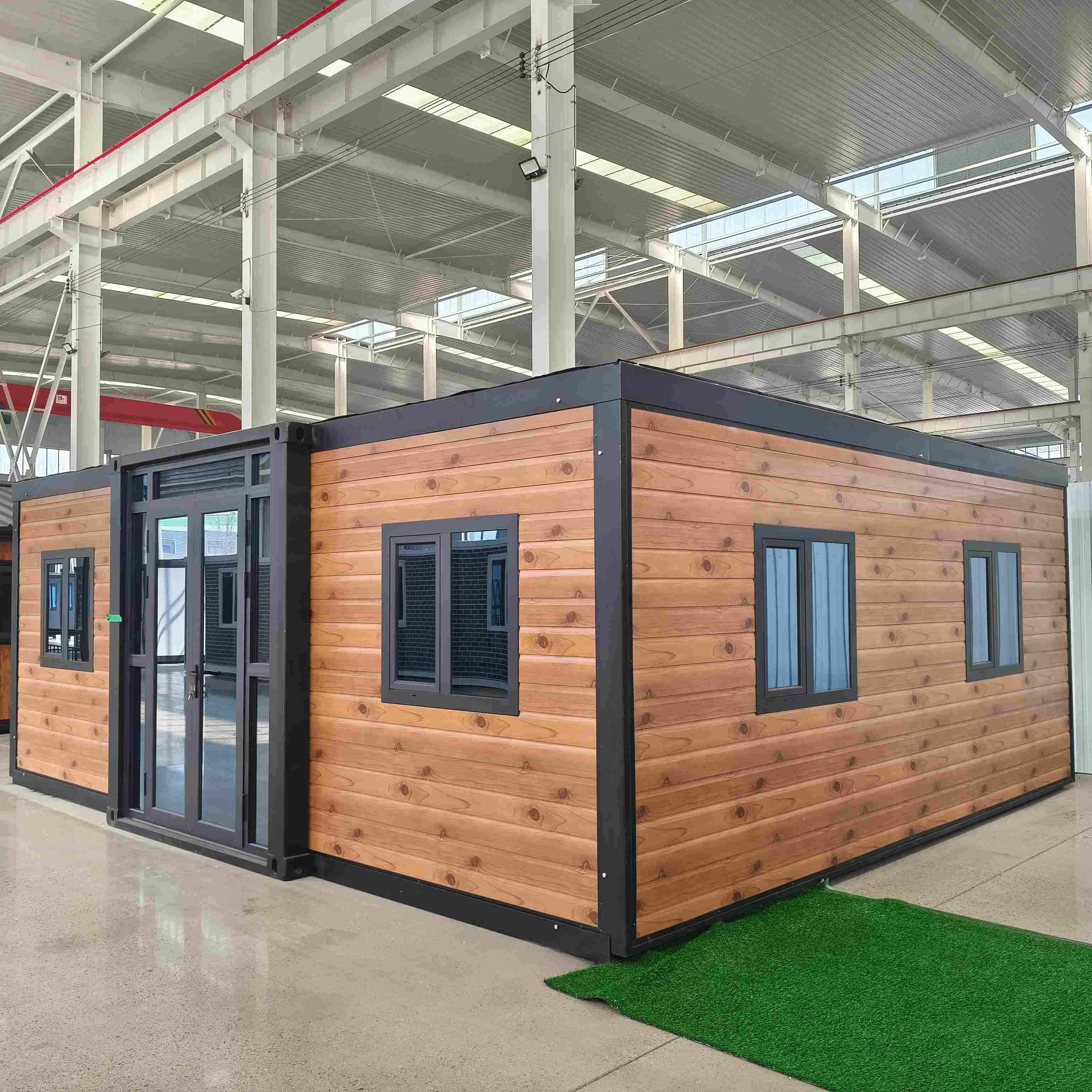
Corten Steel: The Foundation of Long-Lasting Container Houses
Corten steel changes how long outdoor container houses last because of its special kind of rust protection. The material contains copper and chromium, so when rain hits it, instead of just getting rusty like normal steel, it creates this protective layer that actually stops water from getting inside. What makes Corten really interesting is that if something scratches this outer layer, it doesn't need paint jobs every few years. Regular steel tends to flake off over time and gets weaker, especially where containers sit through all sorts of weather changes. But Corten does the opposite – it becomes tougher in those wet then dry cycles that most container homes experience. Another cool thing about Corten is how well its rust layer expands and contracts with temperature changes. This means fewer cracks forming in the metal, which keeps the whole structure intact much longer than traditional materials would allow.
How Corten Steel Forms a Protective Patina in Outdoor Environments
When atmospheric oxygen meets Corten steel's special mix of metals, it creates those characteristic iron oxide-hydroxide crystals we all recognize as the reddish-brown coating. After about 18 to 36 months, this forms a thick protective layer that stops corrosion from going deeper than roughly half a millimeter to one millimeter. What's really impressive is how well this works even when humidity levels hit 95%. The material keeps its barrier properties strong, with permeability staying under 5%. Tests show Corten beats regular mild steel coated with epoxy by about three times in salt spray conditions according to ASTM B117 standards. That's why engineers love using it near coasts where salty air would normally eat away at other materials so fast. Plus, when rain hits Corten surfaces, it leaves behind those beautiful amber stains while keeping the surface pH stable between 6 and 7, which helps prevent further rust formation over time.
Corten vs. Mild Steel: Real-World Lifespan Data for Outdoor Container Houses
Coastal container houses using mild steel suffer ~1.5mm annual corrosion—requiring replacement in 12–15 years despite $7,000 biannual maintenance. Corten averages just 0.05mm/year erosion and retains 94% structural strength after 25 years per ISO 9223 benchmarks. In accelerated tropical exposure testing:
| Material | Years Until 20% Strength Loss | Lifetime Maintenance Cost |
|---|---|---|
| Mild Steel | 8 | $74,000 |
| Corten Steel | 30+ | <$12,000 |
Its corrosion-resistant matrix also reduces galvanic risk when paired with aluminum cladding or copper flashings—extending service life beyond 50 years with minimal inspections. For permanent container house foundations in marine or industrial atmospheres, Corten delivers unmatched economic and structural value.
Weatherproof Cladding Systems for Container House Exteriors
Fiber Cement, Marine-Grade Metal, and Rainscreen Composites: Performance in Coastal and Humid Climates
The combination of coastal air and constant humidity means regular building materials just won't cut it when it comes to keeping moisture out. Fiber cement panels stand up pretty well against rot, mold growth, and even the harsh effects of saltwater exposure, all while needing very little upkeep. That makes them a smart choice for places where the air feels damp most of the time. For areas right next to the ocean, builders often turn to marine grade aluminum or special steel alloys coated with protection layers designed specifically to fight off salt spray damage. These materials can last for many years before showing signs of wear, which matters a lot for structures near the shoreline. Another good option worth considering is rainscreen systems. They work because they create space between the outside layer and the wall itself, allowing water to drain away while still letting fresh air circulate. Studies indicate these systems can cut down on condensation problems by about three quarters compared to traditional solid wall construction methods.
| Material | Key Benefit | Climate Suitability |
|---|---|---|
| Fiber Cement | Mold/rot resistance | High-humidity interiors |
| Marine-Grade Metal | Salt-spray corrosion barrier | Coastal exposure |
| Rainscreen | Active moisture drainage | Heavy rainfall regions |
Rainscreen composites combine durability with thermal efficiency. Their gap design allows continuous air circulation behind panels, preventing water buildup that compromises insulation—and extending the lifespan of underlying structures in tropical climates. For long-term resilience, prioritize UV-stable finishes and non-absorbent core materials when selecting cladding.
Corrosion-Resistant Coatings and Finishes for Container House Surfaces
When container houses are exposed to moisture, salt air, and constant sunlight, corrosion sets in much faster than we'd like. Protective coatings act as essential barriers that really extend how long these structures last before needing major repairs. If left unprotected, steel surfaces start showing signs of wear after just a few years in tough coastal areas. Most modern coating systems work with multiple layers. The primer sticks directly to the metal surface, while the topcoat takes care of blocking out those damaging elements from the environment. Choosing the right coating isn't one size fits all either. Places near the ocean need way more protection compared to dry inland locations where conditions aren't so extreme. Beyond keeping rust at bay, good quality coatings maintain the look of these buildings for many years, which matters a lot when they're being used as living spaces or commercial properties.
Marine-Grade Paint Systems: Zinc-Rich Primers and UV-Stable Topcoats for Container Houses
When it comes to protecting metal surfaces from corrosion, zinc rich primers work wonders because they offer what's called cathodic protection. Basically, the zinc in these primers will corrode first before the underlying steel does, which stops rust from forming even when there are small scratches in the coating. When combined with topcoats made from UV stable polymers that bounce back sunlight and don't fade easily, we're talking about a two layer system that can keep structures looking good for over fifteen years along coastlines where salt air is constantly attacking materials. These coatings pass the ASTM B117 test standards quite well actually, showing salt spray resistance beyond three thousand hours according to lab tests. Maintenance costs drop around half over ten years compared to other options too, plus colors stay vibrant even under harsh tropical sun conditions. For those building container houses near areas prone to hurricanes or places with lots of humidity, this kind of protective combo works exceptionally well as a low maintenance solution that stands up against nature's worst elements year after year.
Moisture-Managed Wall Assemblies That Protect Structural Integrity
Moisture control matters a lot if we want our outdoor container houses to last. When water gets inside, it can cut their lifespan almost in half because of all the rotting wood and mold problems that follow, according to some building research folks have done. Today's construction methods tackle this issue with several layers of protection. There's usually some kind of breathable membrane that stops condensation from forming, plus those little drainage channels built into walls that push out any moisture that manages to get trapped especially important stuff in places where humidity hangs around. These channels also keep an air space between materials so things can dry out naturally instead of sitting wet inside walls. Bathrooms tend to be trouble spots for water damage, so builders often install special boards backed with fiberglass material that resists mold growth right at the source. All these different components work together to form what some call a "dry wall" system where excess moisture just disappears before it causes serious damage to the structure itself. This setup helps container homes stand up against tough weather conditions for many years without falling apart prematurely.
FAQ
What makes Corten steel suitable for container houses?
Corten steel is suitable due to its unique rust-protective layer that forms when exposed to weather, enhancing durability and reducing the need for frequent maintenance.
How does Corten steel compare to mild steel in terms of lifespan?
Corten steel outlasts mild steel, offering 30+ years of durability with minimal maintenance, whereas mild steel requires replacement within 12–15 years.
What are the benefits of using fiber cement in container house exteriors?
Fiber cement offers mold and rot resistance, making it ideal for high-humidity interiors and providing a long-lasting, low-maintenance outer shell.
How do marine-grade paint systems protect container houses?
Marine-grade paint systems use zinc-rich primers and UV-stable topcoats to prevent rust and maintain aesthetics, especially in coastal areas.
Why is moisture management important in container houses?
Effective moisture management prevents structural integrity issues caused by rot and mold, significantly extending the lifespan of container houses.
Table of Contents
- Corten Steel: The Foundation of Long-Lasting Container Houses
- Weatherproof Cladding Systems for Container House Exteriors
- Corrosion-Resistant Coatings and Finishes for Container House Surfaces
- Moisture-Managed Wall Assemblies That Protect Structural Integrity
-
FAQ
- What makes Corten steel suitable for container houses?
- How does Corten steel compare to mild steel in terms of lifespan?
- What are the benefits of using fiber cement in container house exteriors?
- How do marine-grade paint systems protect container houses?
- Why is moisture management important in container houses?