EN
EN



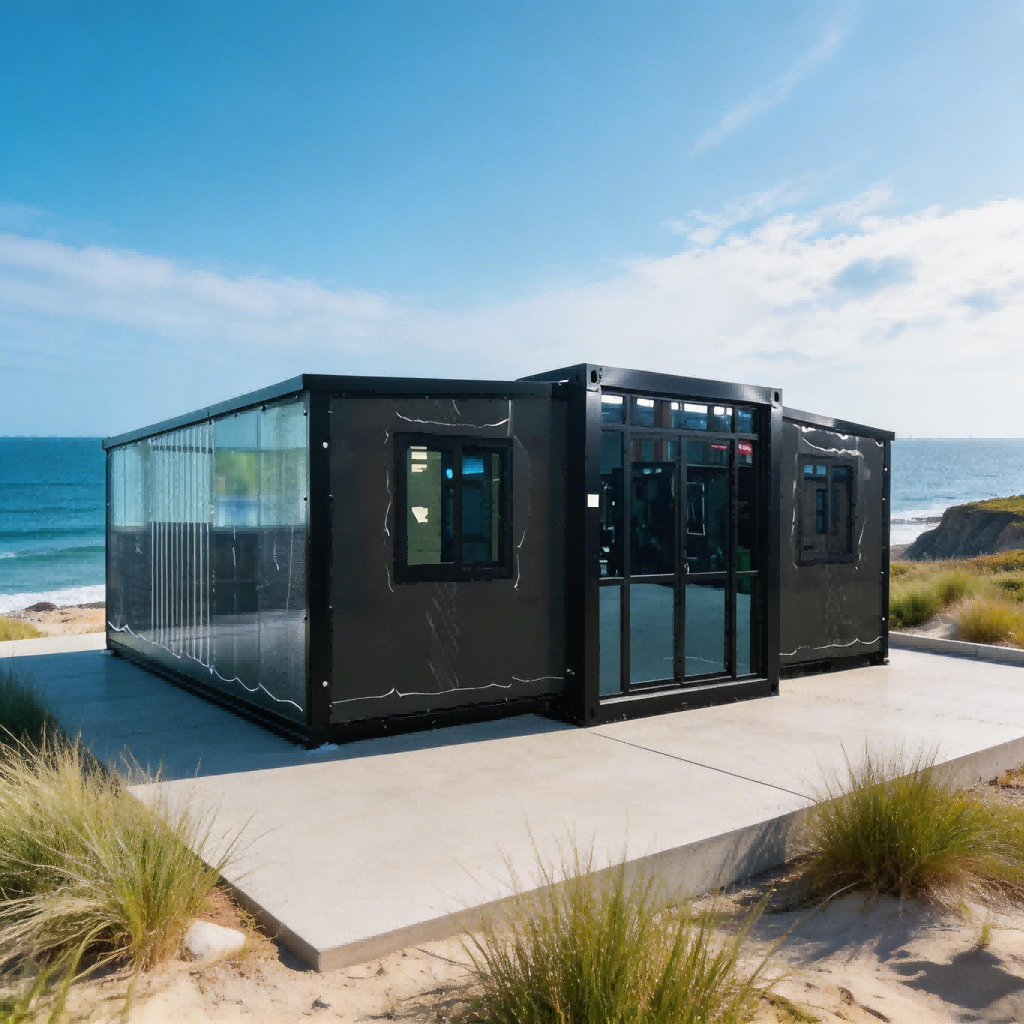
How Container Houses Perform Across Major Climate Zones
Thermal Load Analysis: HDD/CDD Metrics and ASHRAE Zone Alignment
The way we measure how well container houses handle temperature changes typically involves something called Heating Degree Days (HDD) and Cooling Degree Days (CDD). These numbers basically tell us how much energy it takes to keep inside spaces comfortable when outside conditions vary. The American Society of Heating, Refrigerating and Air-Conditioning Engineers (ASHRAE) has divided climates across North America into seven distinct zones ranging from super humid areas like Florida (Zone 1) all the way up to freezing cold regions such as Alaska (Zone 7). Steel containers naturally transfer heat pretty easily, so folks building these homes need to think carefully about what works best depending on where they live. For places that get really cold (like Zones 6 and 7), adding at least R-30 insulation becomes absolutely necessary to stop too much warmth escaping through walls. Meanwhile, those constructing in hotter desert environments (Zones 2 and 3) find that applying reflective paint jobs combined with good airflow design can cut down on air conditioning costs by roughly 40 percent according to field tests. Getting this zoning right matters a lot because otherwise moisture builds up inside structures leading to rot and other damage over time. Look closely at corners where containers connect – these spots often become problem areas since the metal there creates big temperature differences between interior and exterior surfaces if not properly insulated, sometimes reaching over 15 degrees Celsius difference!
Steel Thermal Mass and Insulation Synergy in Cold vs. Hot Climates
Steel has this interesting property where it acts differently depending on whether it's freezing cold or blazing hot outside. In colder areas like Alaska, buildings made with heavy steel structures and insulated with closed cell spray foam need about 25 percent less heating than lighter construction methods. But things get tricky in places like Dubai where the sun beats down so hard all day long. Steel left exposed there actually soaks up heat quickly and then radiates it back out at night, making air conditioning work way harder—some studies show cooling demands jump anywhere from 30 to 50 percent without proper protection. The trick is knowing where to put the insulation. Wrap containers in good quality insulation material rated at least R-20 on the outside when building in desert climates to block that solar heat gain. For really cold environments, applying insulation inside works better because it helps trap warmth inside. Get these details right with proper insulation layers, manage moisture movement, seal gaps properly, and container homes can maintain stable temperatures inside with less than 5 percent variation even during those extreme weather conditions we sometimes see in winter or summer months.
Key Engineering Upgrades for Climate-Specific Container House Resilience
Hurricane, Earthquake, and High-Wind Reinforcement Strategies
When building in regions prone to storms, regular stacking of container modules just won't cut it anymore. Adding cross bracing between containers makes them much stiffer against twisting forces, so they can actually stand up to those brutal hurricane winds that blow over 150 miles per hour. To handle earthquakes better, builders often install these special base isolators or slip joints where the foundation meets the frame. These components help absorb the shaking energy before it builds up too much stress at vulnerable spots like welds and corners. For keeping things from lifting off the ground during strong winds, contractors embed concrete piers deep into the earth and secure them with heavy duty bolts rated for tension loads. Doors and windows get extra reinforcement too, with tempered glass panels and steel frames that can take a beating from flying debris without shattering. All these improvements meet the ICC-ES AC156 and ASCE 7 guidelines for extreme weather conditions, which means properly built container homes should survive even Category 4 hurricanes and most moderate quakes without major damage.
Flood Mitigation: Elevation, Sealing, and Structural Bracing
When building flood resistant container homes, starting high makes all the difference. Steel piers or those helical piles basically lift living areas above what's called the 100 year flood level. Every opening matters too doors, windows where utilities come in, even where modules connect they need proper sealing. We use marine grade gaskets plus those liquid applied membranes to stop water from creeping through tiny cracks. The structural bracing does double duty fighting off both the pressure of floodwaters pushing against walls and the upward force when water gets underneath. For parts that might end up underwater, we go with stainless steel fasteners and apply special zinc aluminum coatings that resist rust. Important stuff like electrical boxes, air conditioning units, and water heaters are all placed well above potential flood levels. And dont forget about how water flows around the property. Good site grading combined with French drains and swales helps direct rainwater away from the foundation instead of letting it pool there. All these measures together cut down on repair bills after floods by about three fifths compared to regular container homes built without these adaptations in areas mapped out by FEMA as flood prone.
Proven Container House Adaptations in Extreme Climates
Tropical: Miami Case – Passive Cooling and Corrosion-Resistant Finishes
The climate in Miami presents some serious challenges with all that humidity, salty air hanging around, and the constant threat of flooding. Container homes built here have adopted several smart strategies to stay comfortable without relying so much on air conditioning. They take advantage of natural ventilation by positioning windows to catch those sea breezes, install roofs that reflect sunlight instead of absorbing heat, and create shaded areas outside to keep interiors cooler. These measures can actually drop indoor temps between 8 to 12 degrees Celsius during spring and fall months when the weather isn't at its worst. Builders also go for special coatings made from zinc and aluminum alloys that resist rusting, something tested extensively in salt spray chambers according to industry standards. Most last well over 15 years even after being exposed to harsh coastal environments. Foundations raised above ground level protect against sudden floods and storm surges, while materials with good thermal properties help maintain stable indoor temperatures despite those dramatic humidity changes typical of South Florida.
Arid: Dubai Case – Reflective Coatings, Double-Skin Facades, and Solar Integration
Dubai has really focused its climate strategy on keeping out the sun's heat and stopping dust from getting inside buildings. These special ceramic coatings on building surfaces meet ASTM E903 standards and bounce back about 95% of the sunlight that hits them, which makes surfaces way cooler than they would otherwise be. Many buildings there use double skin facades with spaces between layers that let air circulate. This acts kind of like insulation against heat transfer, cutting down on heat moving through walls by around 30% when compared to regular single wall structures. Solar panels are installed across many rooftops at angles that work best throughout the whole year given Dubai's intense desert sunlight conditions. They generate enough electricity to cover approximately 60% of what these buildings need annually. For dealing with sandstorms (called shamals), engineers have put in place EPDM membrane seals that resist sand particles plus pressurized entry areas that keep dust out even during those fierce wind events. This helps maintain good indoor air quality and protects HVAC systems from wear and tear caused by airborne grit.
Subarctic: Alaska Case – Super-Insulated Envelopes and Thermal Bridge Control
Container homes built in Alaska need to handle brutal cold and heavy snowfall, so they focus heavily on keeping heat inside and supporting massive winter loads. These structures typically feature triple layer insulation made from materials like polyisocyanurate boards, aerogel blankets, and mineral wool between walls. The result? Wall insulation values drop below 0.15 W per square meter Kelvin, which actually goes beyond what the IECC 2021 code demands for buildings in Climate Zone 7 areas. Insulation is wrapped continuously around the outside of these containers too, cutting off those pesky thermal bridges at all the tricky spots where corners meet or structural pieces connect. This helps stop problems like condensation buildup, ice dams forming on roofs, and dangerous freezing within wall cavities. When it comes to roof design, engineers make sure they can handle snow weights over 150 pounds per square foot. Reinforced frames and angled roof designs help snow slide off naturally rather than pile up. Some builders even install ground coupled heating systems that draw warmth from underground temperatures that stay around five degrees Celsius all year long. This approach cuts down on heating costs by roughly forty percent when compared to regular air source heating systems working alone.
FAQ
What are Heating Degree Days (HDD) and Cooling Degree Days (CDD)?
Heating Degree Days (HDD) and Cooling Degree Days (CDD) are metrics used to assess how much energy is required to maintain comfortable indoor environments when outdoor temperatures fluctuate. HDD measures the demand for heating, while CDD evaluates the need for cooling.
How do container houses perform in cold climates?
In cold climates such as Alaska (Zone 7), container houses require robust insulation like R-30 to minimize heat loss. Proper insulation, particularly inside the containers, helps maintain warmth and reduces heating needs by around 25% when compared to lighter construction methods.
What strategies improve container house performance in hot climates?
In hot climates, like those found in Dubai (Zones 2 and 3), strategies such as reflective coatings, appropriate airflow design, and high-quality external insulation (at least R-20) are crucial. These measures can significantly lower air conditioning costs and improve energy efficiency.
How do container homes withstand extreme weather events?
Container homes can be engineered to withstand extreme weather by adding elements such as cross bracing for stability, base isolators for earthquake resilience, and elevated structures for flood prevention. These enhancements adhere to standards like ICC-ES AC156 and ASCE 7 to ensure durability during hurricanes and earthquakes.