EN
EN



Emergency Response and Humanitarian Shelter
Rapid Deployment in Disaster Zones and Refugee Crises
Container houses that can expand quickly provide much needed shelter just 72 hours after disasters hit, beating regular tents when it comes to lasting power, keeping people warm or cool, and how easy they are to put together. We saw around 95 million folks forced from their homes worldwide last year according to CRED data from 2024, so having solutions that scale up fast without needing complicated logistics makes all the difference. These containers come packed flat and don't need big machines to set them up, which means they get deployed super quick even in places hit by floods or ongoing conflicts where roads and buildings might be damaged. Real world testing indicates camps can be established about 40 percent faster than old school methods, leaving staff and supplies free to focus on what matters most right now: getting medicine out there and making sure people have enough food to eat during emergencies.
ISO-Compliant Structural Integrity and Off-Grid Readiness
Built according to ISO standards, these expandable container houses can handle wind speeds reaching around 120 miles per hour plus the kind of shaking seen in areas prone to disasters. What really makes them stand out though are their built-in off grid systems that fill important gaps when responding to crises situations. The roofs are ready for solar panels which means lights stay on even when power goes down, and they keep essential medical equipment running too. Each unit comes with rainwater collection tanks that hold approximately 500 liters worth of water. Plus there's insulation that works wonders at keeping interiors comfortable whether it's freezing cold at minus 30 degrees Celsius or sweltering hot at 50 degrees Celsius outside. Take the recent earthquakes in Turkey and Syria back in 2023 as an example where over 1.7 million folks suddenly had no electricity access. These containers became lifesavers because they didn't rely on anything external. And don't forget about the waterproof rating (IP65) and materials that resist pests making sure everything stays safe and functional throughout lengthy recovery periods after major incidents.
Remote Workforce Housing for Industrial Projects
Solving Labor Mobility Challenges in Mining, Oil & Gas, and Infrastructure Sites
Expandable container homes are solving real problems with worker mobility at those tough-to-staff remote industrial locations like Arctic mines, offshore oil platforms, and new infrastructure projects in far flung areas. Regular housing just doesn't work there because of all the logistical headaches, sky high costs, and brutal weather conditions. These modular units cut down on construction time dramatically while still keeping workers safe according to industry regulations. For instance, special versions can keep people comfortable inside even when temperatures drop below -40 degrees Fahrenheit without needing permanent plumbing or electricity hookups. This makes a big difference for companies trying to retain staff since workers don't have to spend hours commuting back and forth between job sites. Plus it ensures everyone gets decent living conditions regardless of how long they're stuck working on a particular project cycle.
Climate-Adapted, Stackable Expandable Container House Units Reduce Logistics Overhead
Operators in the field are seeing around 40% savings on logistics costs when they switch to these stackable configurations that work in different climates. The modular designs handle extreme conditions too, whether it's scorching deserts, humid tropics, or thin mountain air. They come with built-in insulation and clever passive ventilation systems so there's no need for separate heating and cooling equipment. When companies stack these units vertically, they get double the capacity on the same piece of land. Imagine what fits on an acre now compared to old school trailers where only 60 people could be accommodated. Transport is another plus point. A standard flatbed truck can carry four of these stacked units at once while traditional modular buildings take up the whole truck by themselves. This cuts down on trips and reduces carbon footprints. Plus these units are made to last through multiple uses without losing strength or function, which means businesses save money over time both upfront and in ongoing operations.
Temporary Hospitality and Experiential Spaces
Glamping Sites and Pop-Up Event Venues Leveraging Design-Flexible Expandable Container Houses
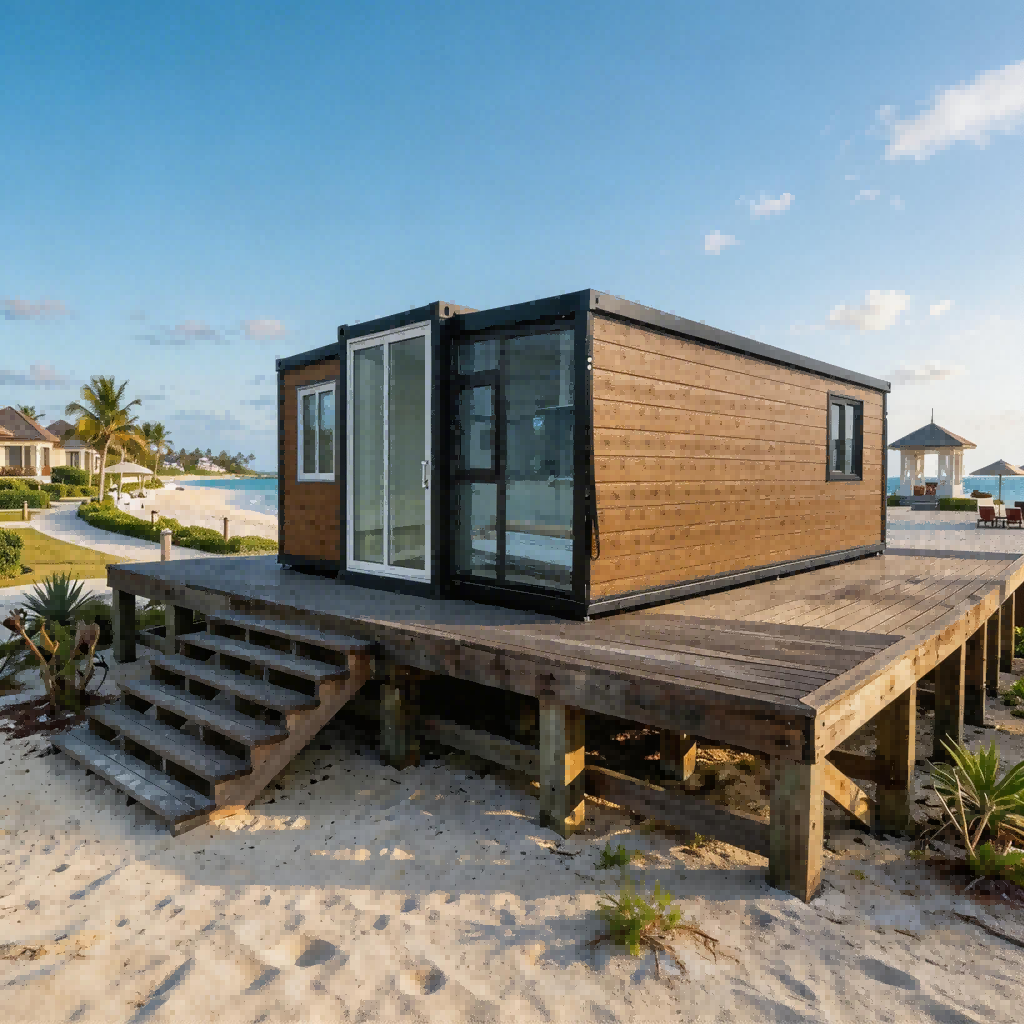
More and more folks in the hospitality business are turning to those expandable container houses for creating temporary but impactful experiences, particularly in places like glamping sites and pop-up events across the country. What makes these units so appealing? They can set up premium wilderness accommodations in remote areas within just three days flat, which saves time on permits and skips all that waiting around for construction crews. The design possibilities are pretty amazing too. Think big windows that let in tons of natural light, decks raised above ground level, and climate control systems built right in. Suddenly those basic shipping containers become something special, almost like luxury cabins in the woods. At festivals and local markets, these containers work great as everything from ticket booths to fancy VIP lounges or even spots where vendors can sell their goods. Plus they're easy to move around when needed. According to a survey done last year in the industry, businesses using these container setups saw their setup costs drop about 40% compared to regular tents. That kind of savings adds up fast.
Phased Setup, Brand-Custom Facades, and Reconfigurable Layouts per Season
Operators leverage reconfigurability to align capacity and aesthetics with seasonal demand:
- Phased deployment allows ski resorts or beach clubs to scale occupancy by 200% during peak periods without overbuilding
- Interchangeable facade systems, including magnetic cladding and living green walls, support brand-specific identity and contextual integration
- Interior reconfiguration enables rapid conversion—from winter chalets to summer festival bars—in under 48 hours
This adaptability extends functional lifespan well beyond single-season use: post-festival units often transition to staff housing or on-site storage. Non-permanent installation also simplifies compliance with seasonal zoning regulations—reducing permitting friction and accelerating time-to-revenue.
Low-Risk Market and Zoning Pilots
Testing Community Acceptance and Regulatory Pathways with Non-Permanent Expandable Container House Installations
Municipalities and developers can try out non-permanent expandable container houses as a way to see how communities react without taking on big risks first. These temporary setups usually run for around three to six months. During this time, they reveal actual problems with regulations like property setbacks, connecting utilities, or getting approval for designs. At the same time, neighbors get a chance to voice their opinions about these structures. The step-by-step process works similarly to how other industries manage risks, cutting down on money spent upfront while letting designers tweak things based on real experience. When officials have records showing what worked and what didn't from earlier tests, getting permits becomes faster later on. Plus, since these containers can be moved or changed relatively easily, cities can relocate them somewhere else or modify them completely if conditions at the original location aren't ideal or if residents express concerns after seeing them in place.
FAQ
What are the benefits of expandable container houses in disaster zones?
Expandable container houses provide rapid deployment, are structurally sound, and have off-grid capabilities, facilitating quick relief in disaster zones.
How do expandable container homes support remote workforce housing?
They solve labor mobility challenges by being climate-adapted, stackable, and reducing logistics overhead in remote industrial sites.
Can expandable container houses be used for temporary hospitality spaces?
Yes, they are increasingly popular in the hospitality sector for glamping and pop-up event venues due to flexibility and cost savings.
How do these container houses facilitate low-risk market testing?
They offer non-permanent installations that help municipalities and developers test community reactions and ease regulatory pathways.