EN
EN



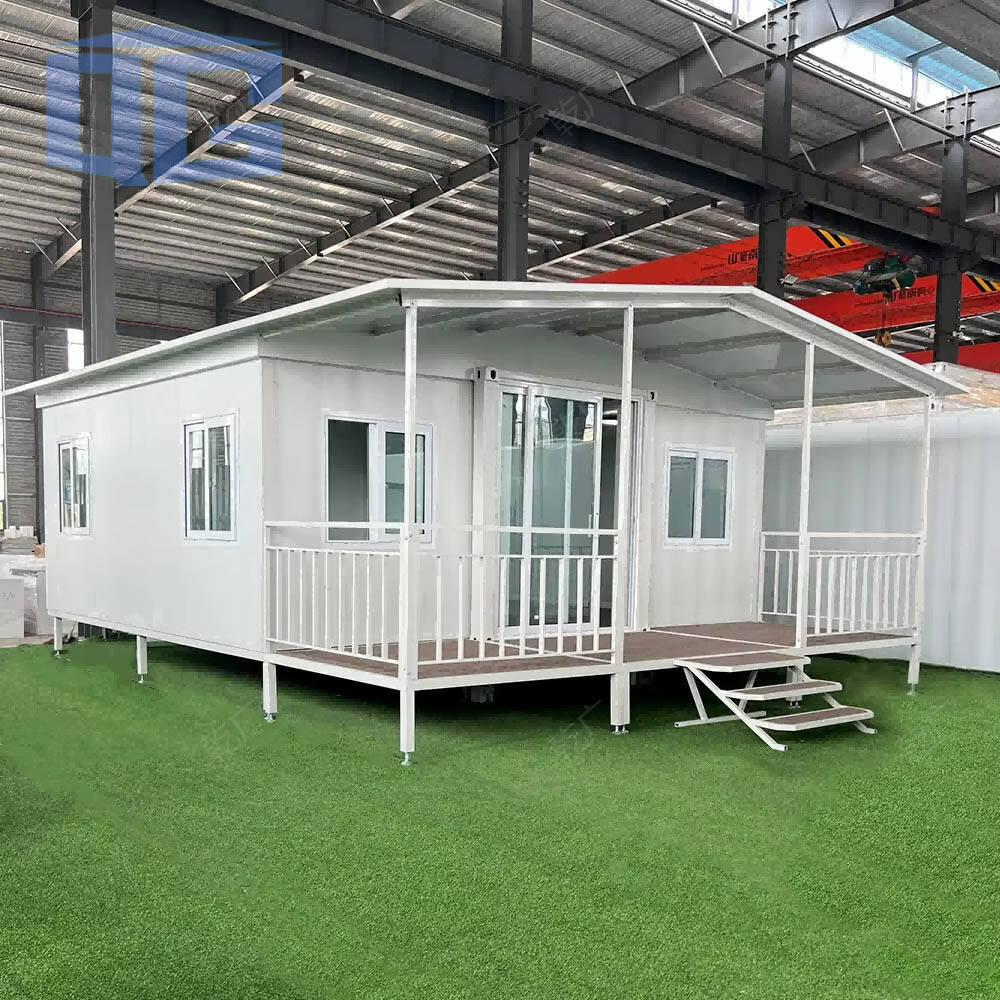
Cost-Effective Housing Solutions for Buyers and Investors
Affordable Entry Points for First-Time Homebuyers
For many first-time homebuyers, prefabs present a real opportunity to get into the market sooner rather than later. These homes generally come in at around 20 to 30 percent cheaper than traditional builds according to recent estimates. Why? Well, factories can buy materials in bulk, schedule workers more efficiently, and avoid those pesky weather delays that plague outdoor construction sites (National Renewable Energy Lab found this in their 2025 report). About 90% of the actual building work gets done inside climate-controlled facilities, so people can move in much quicker. This means lower holding costs while waiting for completion and getting started on mortgage payments earlier. Plus there's less trash left behind on construction sites, and the whole process tends to result in better quality control across the board. Most importantly, these homes still maintain good structural integrity and allow plenty of room for customization options when it comes to interior design choices.
Scalable, Low-Risk Investment Opportunities in Rental Markets
Investors looking at prefabricated housing find there are some real advantages worth considering. The modular approach means these units typically go up within 3 to 6 months, which is about 40 percent quicker than traditional construction methods. That kind of timeline makes all the difference when there's strong rental demand but limited housing stock available. With standardized building plans comes predictable pricing across units and much smoother permitting processes too. Plus, these homes come with better insulation and tougher materials that cut down on repair costs and monthly bills over time. For areas where housing is tight like busy city centers or fast growing suburbs, this type of development creates steady income streams even during tough economic times. And when combined with professional property management services and flexible funding options, the returns just keep getting better for those who invest smartly.
Sustainable Living: Energy Efficiency and Eco-Conscious Development
Prefabricated homes for Net-Zero Communities and Green Building Certifications
Prefabricated homes made through precision manufacturing can actually beat typical energy standards pretty handily, sometimes cutting down on running costs by around half compared to regular stick-built houses. When built in factories under controlled conditions, these homes get proper insulation placement, maintain continuous air barriers throughout, and avoid those pesky thermal bridges that let heat escape. These features make them well suited for Passive House standards and ready for LEED certification too. At the factory itself, builders install solar ready roofs, set up rainwater collection systems, and use steel frames containing roughly 80 to 90 percent recycled material rather than adding these later on site. What this all adds up to is an approach that works time after time while meeting building codes, paving the way toward neighborhoods where homes produce just as much clean power as they need to operate. Plus, this method still manages to keep things affordable enough for wider adoption without breaking the bank.
Adaptability to Challenging Sites and Diverse Landscapes
Modular prefabricated homes on Sloped, Remote, or Ecologically Sensitive Terrain
Modular construction really shines when traditional methods struggle. Think about those tough spots like steep hillsides, areas under environmental protection, deep in the wilderness, or places prone to flooding. When most parts come already built at around 85-90% completion, the actual work on location gets way smaller. This cuts down on heavy machinery usage maybe somewhere between half and two thirds, which helps keep the soil intact, protects plants growing there, and maintains how water naturally flows across the land. The foundations themselves are made specially elsewhere and then fit right into whatever landscape they encounter, so no need to tear things apart with big machines or explosives. For projects far from main roads, these ready-made sections just get hauled in by regular trucks sometimes even dropped by helicopter if needed, sidestepping all sorts of transportation issues that would hold back normal construction crews. Plus, while outdoor work is always at the mercy of rain or snow, manufacturing inside factories keeps everything moving smoothly no matter what kind of weather hits the worksite.
FAQ
What are prefabricated homes?
Prefabricated homes are residences built in sections within factories under controlled conditions, which are later assembled on site. They're often more affordable and can be constructed faster than traditional homes.
Why are prefabricated homes cheaper?
They are cheaper primarily due to bulk purchasing of materials, more efficient labor scheduling, and fewer weather-related delays during construction.
Are prefabricated homes environmentally friendly?
Yes, prefabricated homes can be environmentally friendly as they often include sustainable practices like using recycled materials, installing solar-ready roofs, and setting up rainwater collection systems.
Can prefab homes be customized?
Yes, prefab homes offer plenty of customization options, especially regarding interior design.
How suitable are prefab homes for challenging terrains?
Prefab homes are highly adaptable to challenging terrains such as steep hillsides, remote areas, and ecologically sensitive sites due to their modular construction method.