EN
EN



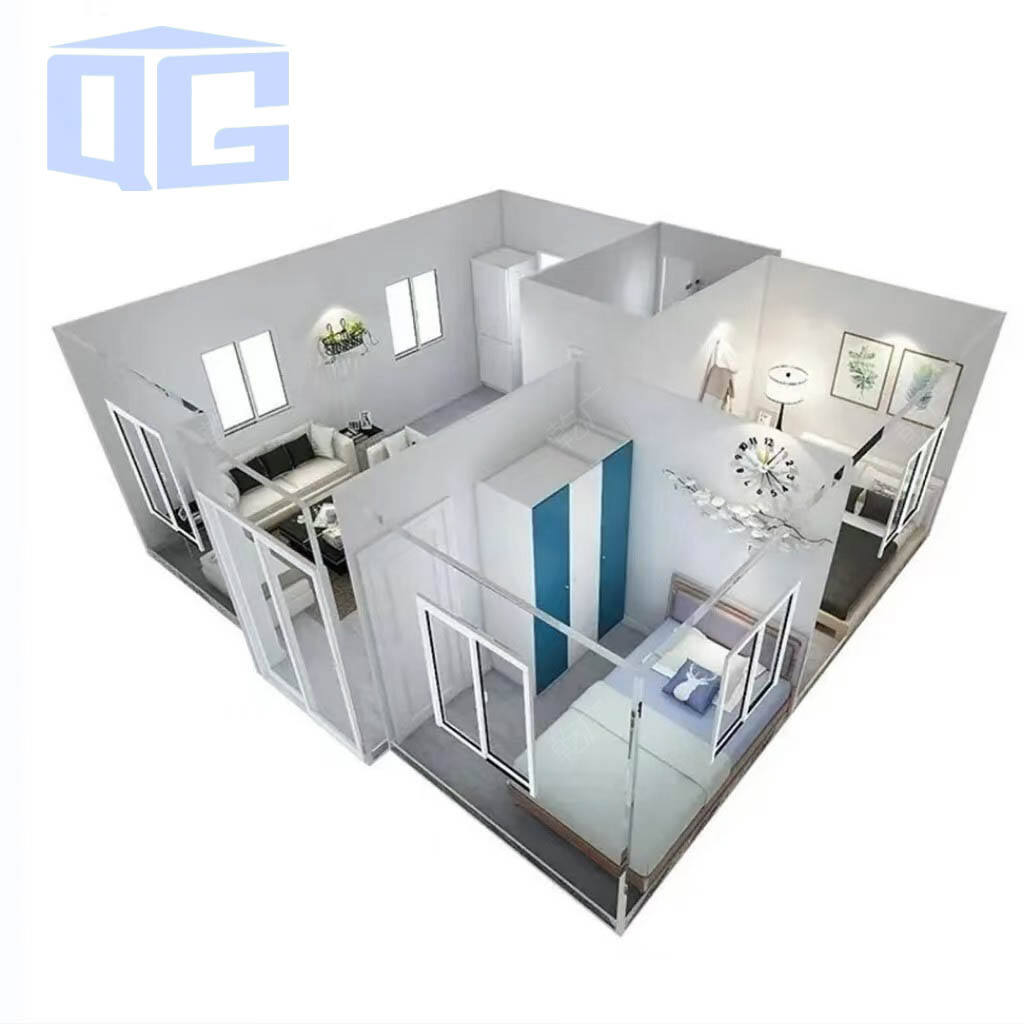
Sustainable Construction: How Prefab Houses Minimize Environmental Impact
Factory-controlled precision manufacturing and waste reduction
Prefab homes are pretty efficient when it comes to using resources because they're made in factories with computers controlling most of the process. When materials get cut according to those digital plans, builders waste way less stuff than what happens during regular on-site construction. Some studies from last year show waste reduction around 90% in prefab setups. Traditional building sites often see way too much ordering errors, and guess what? About a third of all materials just wind up in landfills eventually. What's great about factory settings though is that leftover bits like scrap wood pieces, metal fragments, even small chunks of insulation can be recycled right away instead of sitting around until someone remembers them. This actually keeps tons of material out of landfills every single year across the country.
Lower embodied carbon and CO₂ savings vs. site-built homes
Prefab building methods cut down on what's called embodied carbon, which basically means all those CO2 emissions that happen when materials are made and then put together. When stuff gets built in factories first, we see around a 45 percent drop in transport emissions because everything gets shipped in fewer trips. And let's not forget the energy savings too factory processes typically consume about 30% less power than traditional on-site construction does. Take SIPs for example these standardized panels just make sense over heavy concrete foundations. They're lighter weight and have a much smaller environmental footprint. All told, homes built this way end up emitting somewhere between 15 to 20 tons less carbon over their whole lifespan compared to regular stick-built houses. That's pretty impressive when you think about it.
| Sustainability Factor | Prefab Houses | Traditional Construction |
|---|---|---|
| Material Waste | ≈ 10% | 25-30% |
| Transportation Trips | 40-50% fewer | Standard frequency |
| Construction Duration | 30-50% faster | Weather-dependent timeline |
| Embodied Carbon | 15-20% lower | Higher baseline |
Energy Efficiency: Built-In Performance Advantages of Prefab Houses
Advanced insulation, airtight envelopes, and thermal bridging mitigation
Factory built homes tend to be much better at keeping energy inside because they're made in controlled environments where there's no random gaps or drafts that happen when building on site. These prefabs often use something called Structural Insulated Panels, which are about 16 centimeters thick. The thermal performance is really good too, with U values around 0.040 W per square meter Kelvin. That beats regular insulation materials by roughly 30 percent or so. When manufacturers engineer these panels precisely, it creates continuous air barriers throughout the house. This means less heat escapes during winter months and stops those annoying cold spots near walls or windows caused by thermal bridging issues. Because of all this, most people find their heating bills drop somewhere between 15 to maybe even 20 percent lower than traditional homes. Lower monthly costs plus reduced carbon footprint over time makes these homes pretty attractive for anyone concerned about both money and the environment.
Seamless integration of renewables (solar-ready framing, heat pump compatibility)
When it comes to renewable energy systems, standardized designs really make things easier to integrate into buildings. Think about solar panels for instance. With roof frames already built to handle them and conduits in place beforehand, installing those panels becomes much simpler work. The structures themselves are reinforced so they can take on heavier stuff too, like battery storage units that many homes need these days. There are also special areas set aside where all the wiring is already done, which means high efficiency heat pumps can go in without having to tear everything apart first. All these thoughtful touches together let prefab houses reach net zero status, cutting down on their energy needs by around 90 something percent according to Passive House standards. Pretty impressive when we consider how much energy most buildings actually consume.
Responsible Materials: Sustainable Sourcing and Certifications in Prefab Houses
Low-impact, recycled, and rapidly renewable materials (e.g., mass timber, reclaimed steel)
More and more prefab builders are turning to materials that help the environment without compromising structural integrity. Take mass timber products for instance, especially cross laminated timber or CLT as it's known. These wood products actually lock away carbon dioxide and come from forests that follow strict sustainability guidelines set by organizations like the Forest Stewardship Council. Then there's reclaimed steel which slashes manufacturing emissions by around 58 percent when compared with brand new steel. And don't forget about bamboo either. This fast growing plant reaches maturity within just three to five years and holds up just fine against regular lumber in terms of tensile strength. For insulation needs, many companies now use recycled cellulose made from old newspapers and other paper products people throw away. It provides good thermal protection with R values ranging between 3.5 and 3.7 per inch thickness while keeping tons of waste out of landfills. All these material selections show how prefabrication fits nicely into circular economy thinking, ultimately reducing the total energy required throughout a building's entire life cycle.
Alignment with green building standards (LEED, Passive House, ENERGY STAR)
The precision achieved in factory settings makes it much easier to meet those tough sustainability certification requirements. For LEED, getting documentation right on where materials come from? That's handled through things like FSC chain-of-custody papers. When it comes to Passive House standards, which need buildings to be super tight (like under 0.6 air changes per hour at 50 Pascals), factories can seal all those joints properly something that just doesn't happen reliably when workers are building on site. Getting ENERGY STAR certified becomes simpler too because third parties check out the insulation and heating systems, and prefab shops have standard quality checks built into their processes. And let's not forget about waste reduction. Modular buildings automatically qualify for LEED's Reduced Construction Waste credit since they divert around 80% of what would normally go into landfills thanks to how precisely everything gets made in the factory. This isn't just theory either these stats actually show up in real projects across the country.
Functional Design: Flexibility, Adaptability, and Long-Term Utility of Prefab Houses
Prefabricated homes stand out because they come in modular designs that can change as people's lives do. The open space plans often feature sliding walls or clever furniture solutions like beds that fold right into storage cabinets, allowing rooms to switch from office to playroom to guest room without taking up extra space. When families grow or shrink, owners simply add another module either next door or on top of existing structures, which means no tearing down walls or dealing with construction mess. Some prefab units are even built to move entirely, so they work great for folks who need temporary housing during job changes or when communities face sudden population shifts. Studies indicate these adaptable floorplans actually cut down on overall costs over time something around 15 percent less than regular stick-built houses since everything lasts longer before needing replacement. As more people start working remotely from home or welcoming extended family members under one roof, prefabs keep delivering real world benefits without sacrificing any convenience or creature comforts.
FAQs
What are the main environmental benefits of prefab houses?
Prefab houses significantly reduce waste, carbon emissions, and energy usage through factory-controlled precision manufacturing and the use of sustainable materials.
How do prefab houses perform in terms of energy efficiency?
They offer advanced insulation and airtight envelopes, leading to lower heating bills and an overall reduced carbon footprint.
What types of materials are typically used in prefab construction?
Prefab houses often use low-impact, recycled, and rapidly renewable materials like mass timber, reclaimed steel, and recycled cellulose insulation.
Can prefab houses accommodate renewable energy systems?
Yes, they are designed for seamless integration with systems like solar panels and high-efficiency heat pumps, often reaching net zero energy consumption.
What certifications or standards do prefab houses typically meet?
Prefab houses align with standards like LEED, Passive House, and ENERGY STAR due to their precision manufacturing and sustainable building practices.
Table of Contents
- Sustainable Construction: How Prefab Houses Minimize Environmental Impact
- Energy Efficiency: Built-In Performance Advantages of Prefab Houses
- Responsible Materials: Sustainable Sourcing and Certifications in Prefab Houses
- Functional Design: Flexibility, Adaptability, and Long-Term Utility of Prefab Houses
-
FAQs
- What are the main environmental benefits of prefab houses?
- How do prefab houses perform in terms of energy efficiency?
- What types of materials are typically used in prefab construction?
- Can prefab houses accommodate renewable energy systems?
- What certifications or standards do prefab houses typically meet?