EN
EN



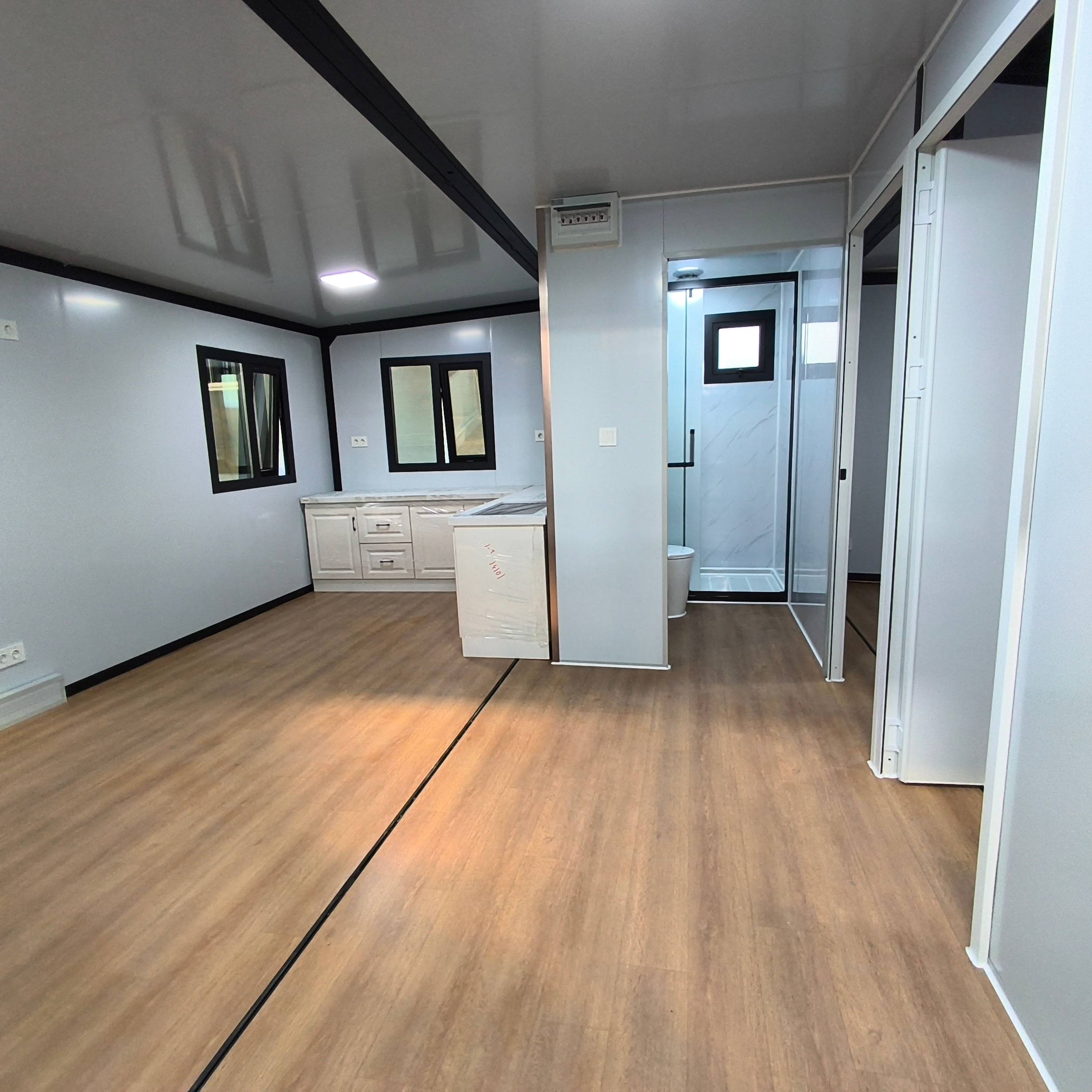
Water System Installation for Container Houses
Main Water Line Connection and Local Code Compliance
When hooking up container homes to city water systems, following local plumbing regulations is absolutely necessary. These rules generally follow guidelines set by the International Plumbing Code from 2021. The steel walls of shipping containers need special drilling methods so the structure stays strong when installing water supply lines. Getting a professional engineer involved makes all the difference for sizing main water lines correctly. Most single unit installations typically use three quarter inch pipes along with proper backflow preventers that meet certification standards. Municipal authorities will want to see records of pressure tests completed plus documentation showing approved piping materials were used throughout. Failing to comply can lead to serious problems too. According to industry data from ICC, around four out of five cities across America impose penalties ranging up to five thousand dollars for code violations related to these connections.
Cold and Hot Water Distribution in Modified Container Houses
PEX tubing is the preferred choice for container house water distribution due to its flexibility in confined spaces and resistance to freeze-related damage. A well-designed system includes:
| Component | Specification | Purpose |
|---|---|---|
| Color-coded PEX | Red (hot), blue (cold), ½"–¾" diameter | Leak-resistant routing through wall cavities |
| Central manifold | Brass or high-grade plastic with individual shutoffs | Enables zone control and simplifies maintenance |
| Insulation sleeves | R-3 minimum per IPC 607.2 | Prevents condensation in unheated or exterior runs |
| Expansion fittings | Flexible connectors at thermal stress points | Accommodates expansion/contraction without joint failure |
Manifold systems reduce the number of connections by 40% compared to traditional branch layouts—significantly lowering leak potential in mobile or vibration-prone applications.
Drainage Design and Contamination Prevention
Getting wastewater management right means making sure those 3 inch PVC drain lines slope correctly at least a quarter inch per foot and having enough vent stacks in the right places so nothing gets sucked dry and traps stay sealed properly. All plumbing fixtures need their own P-trap installed according to local codes. For protecting clean drinking water, cross connection controls matter a lot too. We're talking about things like leaving space between hoses and installing valves that can be tested for backflow issues. When dealing with cold climates, insulating those drains becomes essential work. Throw in some heat tape along the pipes and freezing problems drop significantly. This actually helps avoid contamination risks especially in remote setups where regular maintenance isn't always possible. The CDC reported similar findings in their 2023 study on water safety concerns.
Electrical System Setup for Container Houses
Grid Connection, Grounding, and Permit Requirements
When building grid-connected container homes, compliance with local regulations plus adherence to the National Electrical Code becomes absolutely essential. Before starting any electrical work, permits need to get approved first. Then comes the inspection process where electricians check things like proper grounding, bonding connections, and whether the service size matches requirements. Metal shipping containers conduct electricity, so according to NEC Article 250, everything made of metal needs to connect together properly. Frames, doors, even window frames should all tie back into the grounding system through copper wire no smaller than #6 AWG. Most single container units run on around 100 to 150 amps, but bigger setups especially those with heating and cooling systems usually need 200 amps minimum. And remember that outdoor electrical panels have to sit inside special weather resistant boxes rated NEMA 3R to protect against rain and dust exposure over time.
Circuit Protection and the Critical Role of Licensed Electricians
Electrical safety is critical when building container homes, which need multiple layers of circuit protection throughout. The National Electrical Code requires GFCI outlets installed no more than six feet from any water source like sinks or showers to keep residents safe from shocks. Bedrooms must have AFCI breakers because these devices detect dangerous arcing that can start fires, something many homeowners don't realize until it's too late. When running wires through steel walls, proper protection matters a lot. Conduit or MC cable prevents wire damage from rubbing against metal surfaces, which would otherwise cause shorts and potential fires. Getting a licensed electrician involved isn't optional but essential. They handle those complicated load calculations according to NEC standards, size breakers correctly, and follow safety procedures when turning systems on for the first time. Statistics show that half of all electrical problems in container homes come from amateur installations. These mistakes not only void warranties but also lead to denied insurance claims when things go wrong, forcing owners to pay out of pocket for costly fixes later on.
Power Source Selection for Container House Applications
Grid-Tied, Solar-Battery, and Generator Options Compared
Container homes generally rely on three main power options these days: connecting to the grid, going solar with battery storage, or using generators. Grid connections work well when there's existing electrical infrastructure nearby since they're pretty reliable and need little maintenance once set up. But getting permission to connect can be a hassle sometimes. Solar plus batteries gives people real freedom from the grid and saves money over time, which makes them great for remote areas. Of course, bigger commercial installations cost a lot upfront. Most home sized systems fall somewhere between twenty five thousand to forty five thousand dollars based on how big the battery bank is and what kind of solar panels are used. Generators definitely come in handy during emergencies, though they do mean regular trips to buy fuel, deal with noise complaints, handle emissions issues, and perform maintenance checks. Off the grid projects tend to save around forty percent on energy bills compared to running on generators alone. Homes in cities or suburbs usually get the best results sticking with grid power, especially if they supplement it with some solar panels for extra reliability. Choosing the right system really depends on factors like available space, how much electricity is needed daily, environmental goals, and whether the property will be occupied full time or just part time.
System Integration: Aligning Utilities with Container House Modifications
Load Calculations and Circuit Allocation for HVAC, Lighting, and Appliances
Getting the electrical load right is absolutely essential when designing container houses that work properly and stay safe. The total wattage from all those systems needs figuring out before picking the right size main panel and branch circuits. Think about HVAC units, lights, fridge space, plus whatever else gets plugged in. Big power hungry stuff like heat pumps and electric water heaters definitely need their own dedicated circuits. Why? Because overloaded circuits start more than half the electrical fires we see in these modular homes according to recent NFPA data. When planning out the wiring, most pros rely on NEC Article 220 guidelines. Critical items such as refrigerators or medical equipment should go on separate circuits from regular outlets. Electricians licensed for the job will spread the load evenly between phases while leaving some extra room for possible expansions down the road. This approach keeps things running smoothly longer term, meets building codes, stays safe during operation, and saves money later on when retrofitting becomes necessary.
Frequently Asked Questions
1. What are the main considerations for installing water systems in container homes?
Key considerations include compliance with local plumbing regulations, proper sizing of main water lines, use of backflow preventers, and ensuring approved piping materials are used.
2. Why is PEX tubing recommended for water distribution in modified container houses?
PEX tubing is flexible, fits well in confined spaces, resists freeze-related damage, and offers a robust system for water distribution.
3. What electrical requirements are essential for container houses?
Compliance with the National Electrical Code, proper grounding, appropriate circuit protection, and the involvement of licensed electricians for safe installations.
4. What are the power source options for container houses?
The main power source options include connecting to the grid, using solar with battery storage, or running on generators, with each having its own pros and cons.
Table of Contents
- Water System Installation for Container Houses
- Electrical System Setup for Container Houses
- Power Source Selection for Container House Applications
-
System Integration: Aligning Utilities with Container House Modifications
- Load Calculations and Circuit Allocation for HVAC, Lighting, and Appliances
- Frequently Asked Questions
- 1. What are the main considerations for installing water systems in container homes?
- 2. Why is PEX tubing recommended for water distribution in modified container houses?
- 3. What electrical requirements are essential for container houses?
- 4. What are the power source options for container houses?