EN
EN



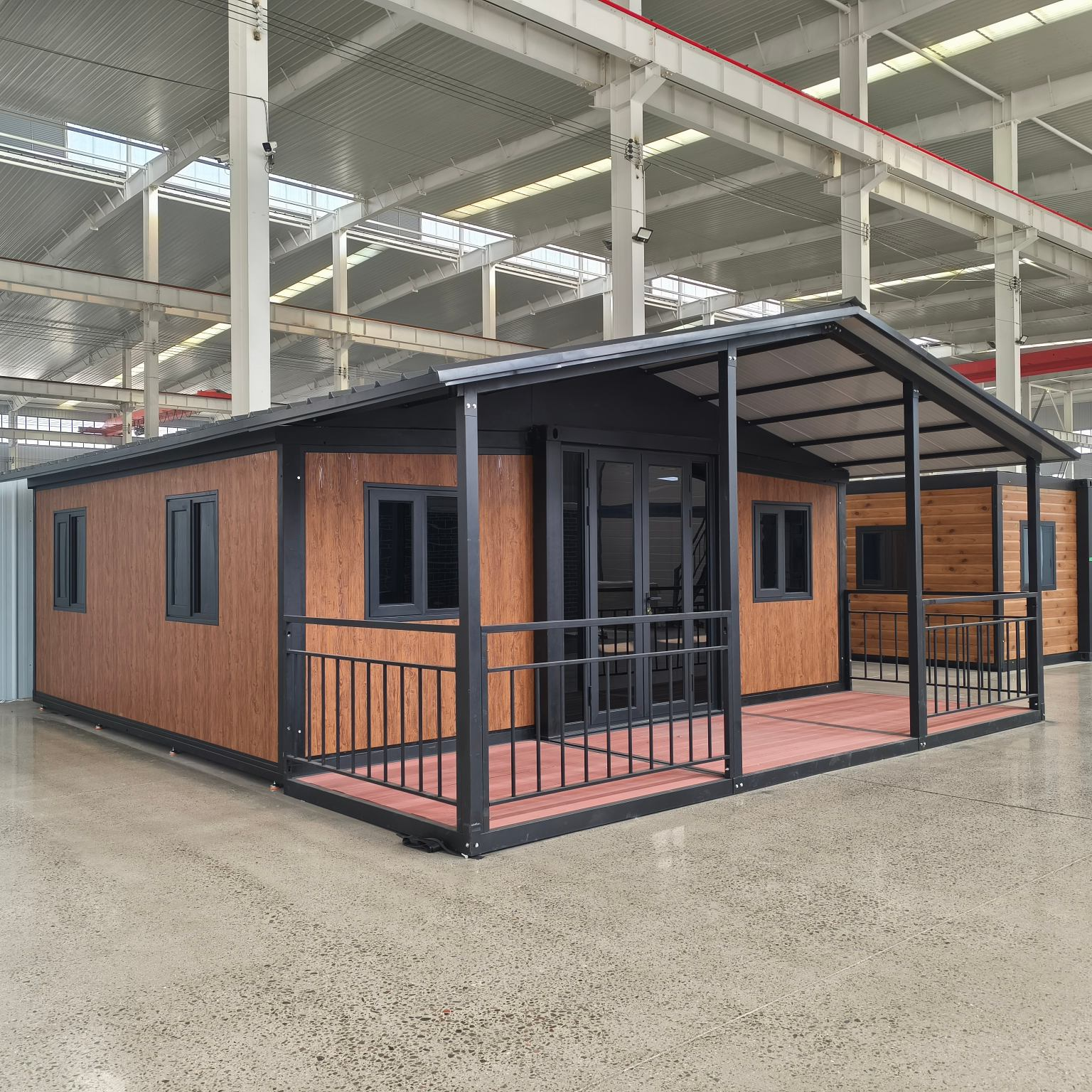
The Standard Container House Production and Delivery Timeline
Five-Phase Workflow: Design → Permitting → Factory Production → Logistics → Installation
Turnkey container house projects generally follow five main steps from start to finish. First comes the design stage where architects draw up blueprints and figure out what materials will be needed. This part usually takes around 2 to 4 weeks while clients review everything and engineers check if it all makes sense technically. Then there's the permitting process which means sending paperwork to city officials. How long this takes varies quite a bit depending on where the project is located, but expect anywhere between 4 and maybe even 12 weeks sometimes. Once permits are approved, the factory gets to work transforming old shipping containers into living spaces. They cut them open, weld new parts together, and install things like electricity, water lines, and heating systems. This manufacturing phase normally lasts about 4 to 8 weeks. Getting everything delivered to the construction site requires careful planning too. Companies need to survey roads, arrange transport vehicles, and actually move the containers there, which typically takes 1 or 2 weeks. Lastly comes putting everything together on site. Workers prepare foundations, position the containers properly, connect utilities, and run final checks before handing over the keys. The whole staged approach helps maintain good quality throughout and minimizes problems caused by bad weather since most work happens indoors or in controlled environments.
Typical Total Cycle: 12-24 Weeks for Turnkey Projects (With Real-World Benchmarks)
Container house production typically takes between 12 and 24 weeks for those fully customized turnkey packages. The timeline really depends on what's needed though. Simple single unit projects like standard 20 foot studios usually wrap up around the 12 week mark if permits go smoothly and there aren't any major site issues holding things back. When we start talking about multi container setups with special finishes, fancy appliances installed, or complicated structural changes, expect the process to stretch out closer to 18-24 weeks instead. Just to put this into perspective compared to other construction methods...
| Project Scale | Design | Production | Installation | Total Timeline |
|---|---|---|---|---|
| Single-unit (20-40ft) | 2-3 weeks | 4-5 weeks | 1-2 weeks | 12-14 weeks |
| Multi-unit custom | 3-4 weeks | 6-8 weeks | 2-3 weeks | 20-24 weeks |
Site preparation remains the most common timeline variable: projects with pre-approved foundations and existing utilities can reduce total duration by 1–3 weeks. Prefabrication enables up to 80% of construction to occur off-site—delivering speed advantages over traditional builds without compromising customization or structural integrity.
Why Container House Timelines Vary: Key Influencing Factors
Permitting Complexity: The #1 Delay Driver (2–6 Months, Especially in Unfamiliar Jurisdictions)
Getting permits sorted out tends to be the biggest wild card when it comes to project timelines, usually pushing back schedules by anywhere from two to six months. The problems get worse in places where building regulations don't clearly address what to do with old shipping containers turned into buildings. Many local governments aren't used to seeing modular structures or buildings made from reused materials, so they end up asking for all sorts of extra documentation including engineering reports, structural tests, fire safety checks, and special permission for zoning changes. Even in areas that are generally helpful, just going through the paperwork process can take eight weeks or more without any issues. Working closely with city planners right from the start of design work makes a big difference though. When architects actually show how their plans fit within what the local codes allow, there are fewer back and forth revisions needed later on, which means faster approval times overall.
Site Readiness & Location: Rural Prep Adds 1–3 Weeks vs. Urban Pre-Approved Zones
The condition of the land where something gets installed makes a huge difference in how fast things go. Most urban lots that have already been approved for development come ready to build on. They usually have level ground, good roads nearby, and connections to water, electricity, and sewer lines already in place. This means crews can start digging foundations right away and get units placed quickly without waiting around. Rural areas or completely new sites tell a different story though. Getting those ready often takes anywhere from one to three weeks just for basic prep work. Think about cutting down trees, leveling hills, putting in septic tanks, drilling wells, running power lines out there. And if the site is really remote? Special trucks might be needed to haul equipment, parts might need to be taken apart and put back together on site, extra cranes brought in. All this eats into the actual building time we have. That's why looking at a site carefully before setting any deadlines matters so much for project timelines.
Factory-Built Efficiency: How Prefabrication Shortens the Container House Timeline
ISO-Compliant Automation Cuts Factory Production from 8 to 4 Weeks
Container house manufacturing has changed dramatically since adopting ISO 9001 quality standards. Modern factories now use robotic arms, lasers that cut materials with pinpoint accuracy, and smart assembly systems that basically think for themselves. These technologies cut down on mistakes made by workers and ensure every component is built to exact specifications. Back when builders constructed these structures manually in workshops, it could take as long as eight weeks just to finish the basic framework and install essential utilities. Today's automated processes knock that timeline down to around four weeks without compromising safety requirements or structural integrity. The controlled conditions inside manufacturing plants mean rain or snow won't stop production. Factories can run day and night, which saves money in the long run because problems get caught earlier during construction rather than after everything's already assembled at the final destination.
Integrated Supply Chains Eliminate Material Lead-Time Bottlenecks
When companies integrate their supply chains strategically, they avoid those frustrating delays that plague traditional construction projects. The key is matching when materials get ordered with when they're actually needed on site. Steel frames, insulation panels, windows and all sorts of fixtures show up already cut to size, treated properly, and ready to go in order. No more waiting around for weeks like happens so often with old fashioned methods where everything gets sourced separately at the job site. Logistics centers play a big role too, organizing shipments into complete packages that match exactly what's needed next in the building process. A major car parts maker saw real results after implementing similar strategies last year. They slashed their lead times by about 40 percent. Plus workers didn't have to store as much stuff onsite anymore, and there was way less wasted material lying around.
FAQ Section
Q1: What is the average timeline for a container house project?
A: Typically, container house production takes between 12 and 24 weeks for turnkey packages, depending on the project complexity.
Q2: How does permitting affect the timeline?
A: Permitting is often the biggest delay factor, taking anywhere from 2 to 6 months depending on the jurisdiction and specific requirements.
Q3: What advantages does prefabrication offer?
A: Prefabrication allows up to 80% of construction to occur off-site, speeding up timelines and reducing risks associated with weather conditions.