EN
EN



Cost-Effectiveness and Long-Term Savings
Affordable construction using repurposed shipping containers
Foldable container houses convert decommissioned steel shipping containers into durable structural frameworks, reducing material costs by up to 60% compared to traditional construction. By reusing existing materials, these homes support circular economy principles without compromising long-term durability.
Reduced labor and foundation costs with modular design
Modular construction significantly cuts labor requirements—by 30—50%—and eliminates complex foundation work. According to a 2023 industry analysis, this approach reduces site preparation expenses by $8,000—$15,000 per unit. The plug-and-play assembly accelerates timelines and minimizes weather-related delays.
Low maintenance and energy-efficient performance over time
Constructed with corrosion-resistant Corten steel and insulated panels, foldable units require 80% less annual maintenance than wood-framed homes. Strategic window placement and solar-ready rooftops enable passive heating and cooling, reducing energy bills by 25—40%, as shown in lifecycle cost studies.
Case Study: Budget-friendly rural housing project using foldable container houses
A Kenyan nonprofit deployed 120 foldable units to replace informal settlements, achieving 40% lower construction costs than conventional methods. The project housed 600 residents within 12 weeks and established reusable infrastructure for future expansion.
Rapid Deployment and Easy Assembly
Prefabricated Modules Enable Fast, On-Site Construction
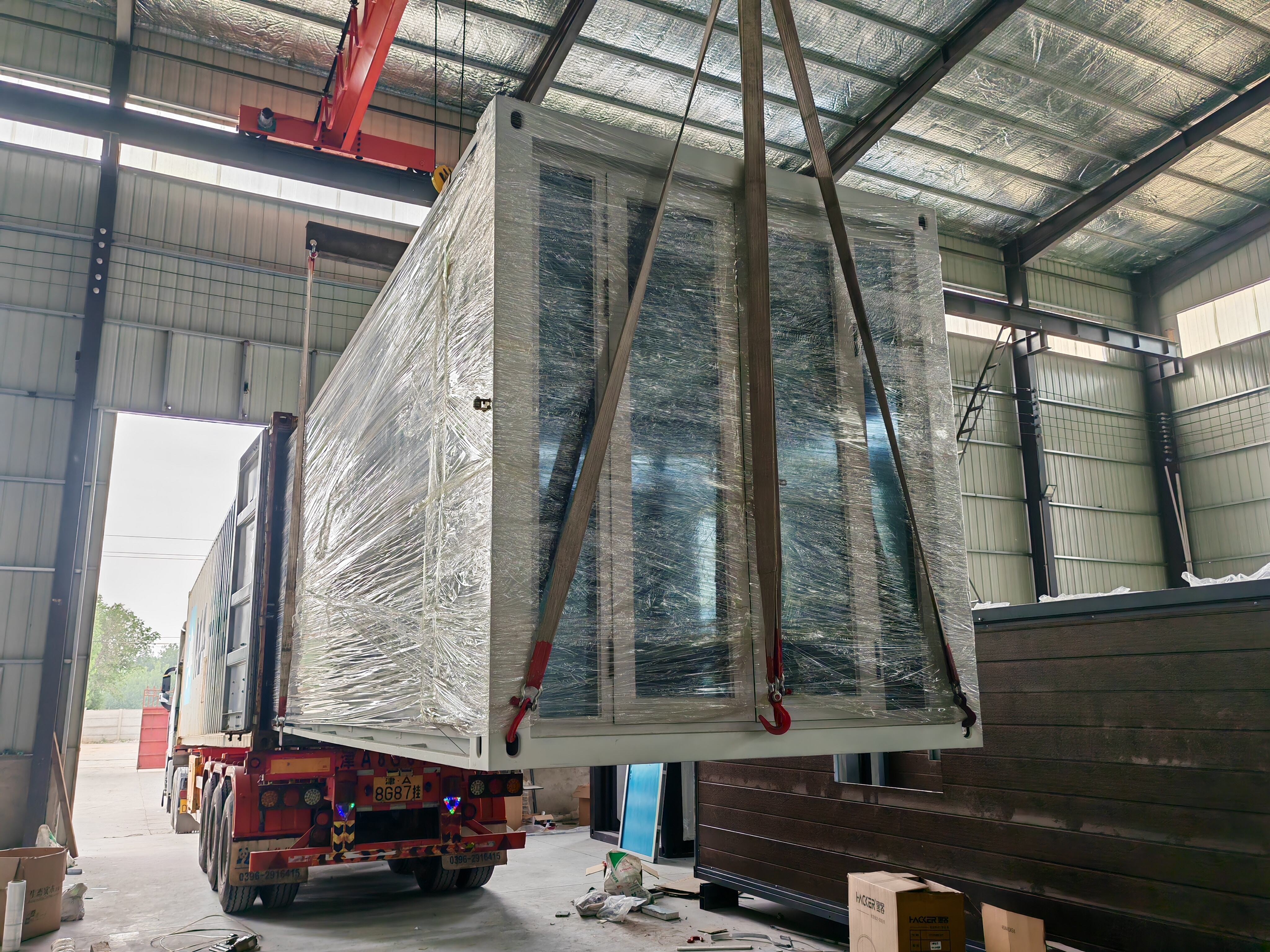
Foldable container houses arrive on-site 90% pre-assembled, cutting construction time by 60—70%. Standardized connections allow crane-assisted setup of basic structures in under 48 hours, minimizing labor and avoiding weather disruptions.
Ideal for Emergency Response and Disaster Relief Scenarios
In disaster zones, these units provide immediate shelter—often within hours. Their collapsible design and pre-installed utilities enable faster deployment than traditional builds. A 2024 analysis of modular emergency shelters showed 80% quicker occupancy rates versus tent cities, enhancing recovery outcomes.
Folding Mechanisms That Support Quick Setup and Scalability
Patented hinge systems let compact 8’x20’ modules expand into 320 sq ft living spaces in under 45 minutes. This ‘pop-up’ capability supports adaptable uses such as temporary schools, clinics, or workforce housing that can evolve with demand.
Growing Use in Military and Humanitarian Operations
Military and humanitarian organizations increasingly deploy foldable container houses for forward bases and refugee camps. Their modular design allows scalable configurations for command centers or medical facilities, while robust steel frames endure extreme environments—from deserts to alpine regions.
Mobility, Flexibility, and Design Optimization
Modular and Relocatable Design for Dynamic Spatial Needs
These structures meet shifting spatial needs through easy disassembly, relocation, and reconfiguration. Ideal for temporary worksites, seasonal housing, or growing families, they can be adapted in under 72 hours—offering unmatched flexibility in contrast to fixed buildings.
Expandable Container House Features for Scalable Spaces
Sliding walls and telescopic roofs increase usable floor space by up to 200% upon deployment. Retractable partitions and foldable staircases optimize vertical efficiency without sacrificing stability, enabling customization for remote offices, gatherings, or multi-generational living.
Space-Saving Architectural Innovations in Compact Living
Foldable container units use 40% less land than traditional homes while maintaining livability, according to the Global Urban Institute (2023). Key innovations include:
- Rotating furniture that converts walls into beds or desks
- Stackable kitchen modules with magnetic mounting
- Ceiling-integrated storage maximizing vertical space
Case Study: Urban Micro-Housing Development With Foldable Units
Tokyo’s micro-housing initiative reduced inner-city homelessness by 18% using vertically stacked foldable units. Collapsible balconies and retractable solar panels demonstrated how dense urban areas can integrate affordable, sustainable housing. During the two-year pilot, 89% of residents reported high satisfaction with spatial adaptability.
Sustainability and Environmental Impact
Repurposing Steel Containers to Reduce Construction Waste
By reusing retired shipping containers—over 1.7 million discarded annually (World Shipping Council, 2022)—each unit diverts 3—4 tons of steel from landfills. This reuse avoids the carbon-intensive process of melting scrap metal, contributing directly to waste reduction.
Eco-Friendly Building Practices and Recycled Material Use
Manufacturers are adopting closed-loop production, with some achieving 60% recycled content in steel components. Rising demand for sustainable building has driven adoption of cellulose insulation from recycled newspapers and low-VOC paints, cutting material consumption by 33% compared to conventional homes.
Energy Efficiency Through Insulation and Passive Design
Advanced thermal performance comes from aerogel-insulated walls (R-value 15), triple-glazed argon-filled windows, and passive solar orientation. A 2023 study confirmed these features maintain stable indoor temperatures across extremes from -20°C to 45°C, reducing HVAC energy use by up to 40%.
Debate: Carbon Footprint of Steel vs. Long-Term Reuse Benefits
While steel production emits 1.85 tons of CO₂ per ton, lifecycle analyses show foldable container houses offset this impact within 12 years of use. With 85% of components reusable across multiple deployments, they offer a circular model that outperforms traditional housing in long-term sustainability.
Durability, Security, and Future Applications
High-Tensile Steel Frames Ensure Structural Strength and Safety
Built on high-tensile steel frames proven in industrial construction, foldable container houses resist deformation and support heavy loads. Studies show they withstand winds over 120 mph, making them ideal for hurricane-prone areas. Factory-engineered joints and corrosion-resistant coatings ensure safety in both temporary and permanent settings.
Weather Resistance and Adaptability in Extreme Climates
Galvanized steel exteriors perform reliably in temperatures from -40°F to 120°F. Unlike wood-frame buildings, these units resist moisture, mold, and rot, making them suitable for coastal and humid climates. Combined with aerogel insulation, they maintain comfort while lowering HVAC demands.
Integrated Security and Sealing in Folding Mechanisms
Multi-point locking systems and tamper-proof bolt seals enhance security, addressing common concerns with portable structures. Compression gaskets create airtight seals between panels, preventing dust and water intrusion—ideal for secure storage or field offices in harsh conditions.
Smart Technology Integration and Future of Mass-Produced Modular Housing
Next-generation units feature IoT sensors for monitoring structural integrity, energy use, and environmental conditions. Integrated automation and photovoltaic-ready designs have enabled net-zero energy prototypes in off-grid trials. With automation reducing production costs by 22% (Modular Building Institute, 2023), mass-produced modular housing is set to transform urban and emergency housing markets.
Applications in Pop-Up Clinics, Retail, and Remote Workspaces
Foldable container houses are being used for mobile vaccination clinics that deploy in under 48 hours, seasonal retail kiosks requiring minimal groundwork, and rotating workforce housing in mining and forestry. Their reconfigurable interiors and transportability via standard flatbed trucks make them a versatile solution for pop-up infrastructure.
Frequently Asked Questions
What are foldable container houses?
Foldable container houses are innovative living spaces created by converting decommissioned shipping containers into structural units, offering benefits like affordability, quick assembly, and sustainability.
How much do foldable container houses reduce construction costs?
These houses can reduce material costs by up to 60% compared to traditional construction methods, thanks to the use of repurposed steel shipping containers.
Are foldable container houses suitable for disaster relief?
Yes, they are ideal for emergency response and disaster relief scenarios due to their rapid deployment and easy assembly features, providing immediate shelter often within hours.
What environmental benefits do foldable container houses offer?
By repurposing shipping containers and reducing construction waste, these units offer significant environmental benefits, including reduced carbon footprint and waste reduction.
How do foldable container houses perform in extreme climates?
Constructed from galvanized steel with advanced insulation, these houses are weather-resistant and can perform reliably across a wide range of temperatures, making them suitable for various climates.
Table of Contents
- Cost-Effectiveness and Long-Term Savings
- Rapid Deployment and Easy Assembly
- Mobility, Flexibility, and Design Optimization
- Sustainability and Environmental Impact
-
Durability, Security, and Future Applications
- High-Tensile Steel Frames Ensure Structural Strength and Safety
- Weather Resistance and Adaptability in Extreme Climates
- Integrated Security and Sealing in Folding Mechanisms
- Smart Technology Integration and Future of Mass-Produced Modular Housing
- Applications in Pop-Up Clinics, Retail, and Remote Workspaces
- Frequently Asked Questions