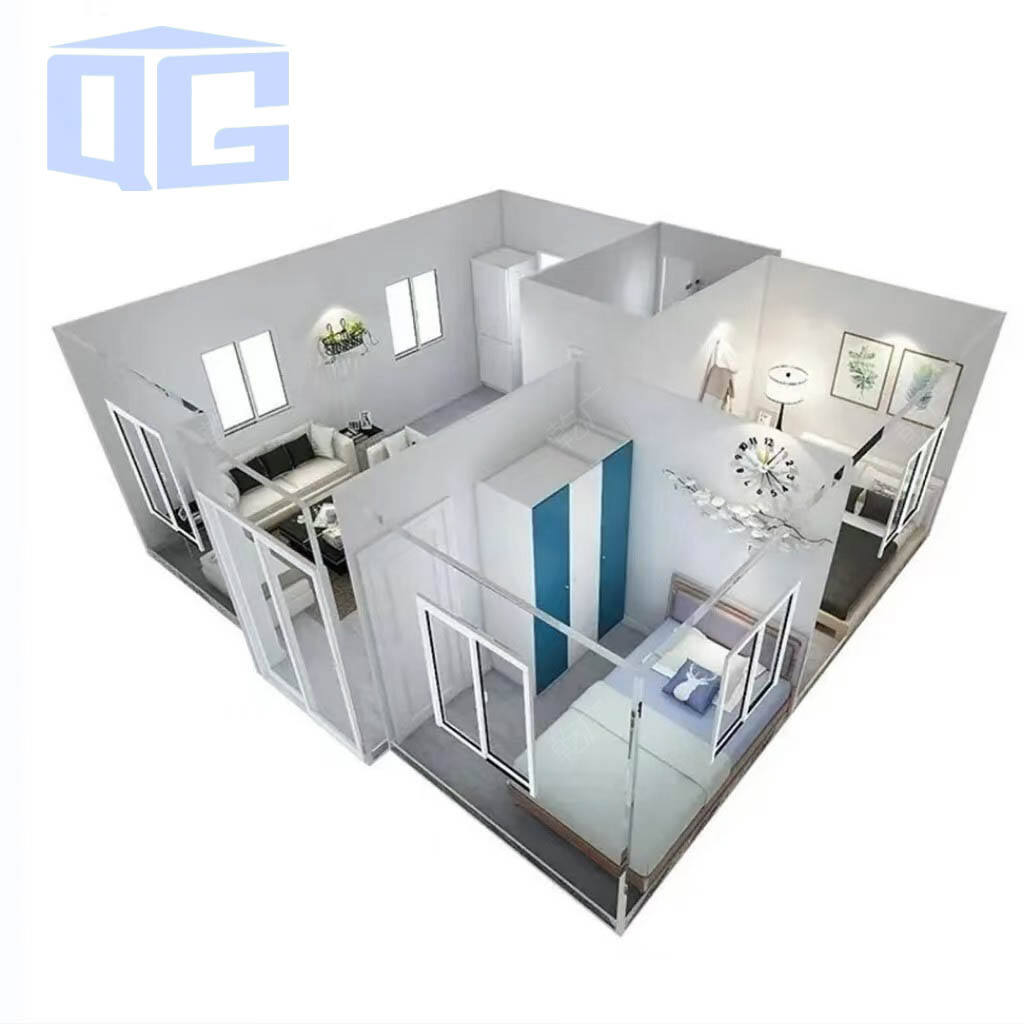
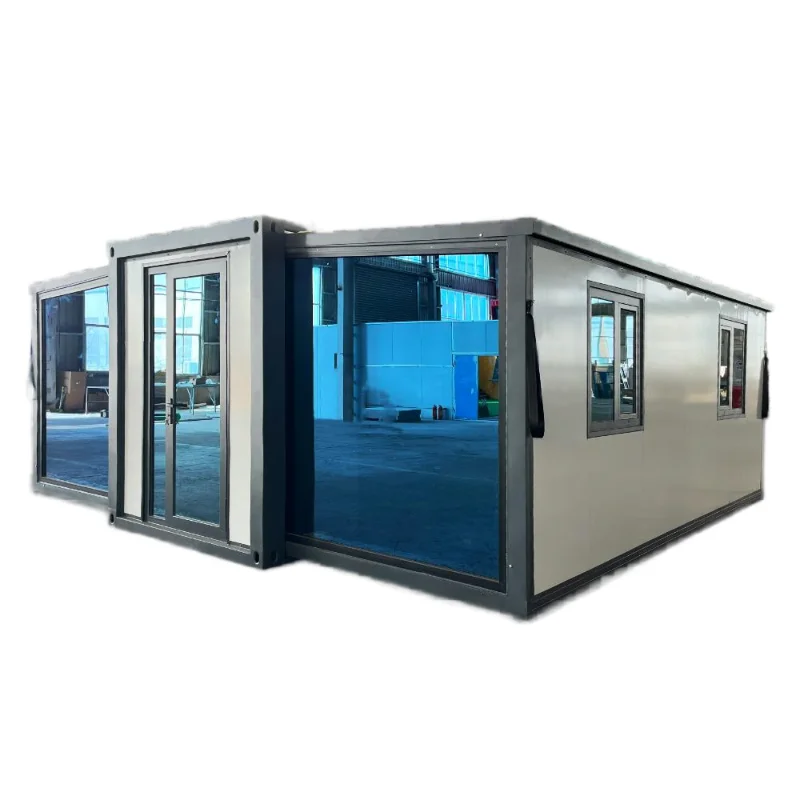
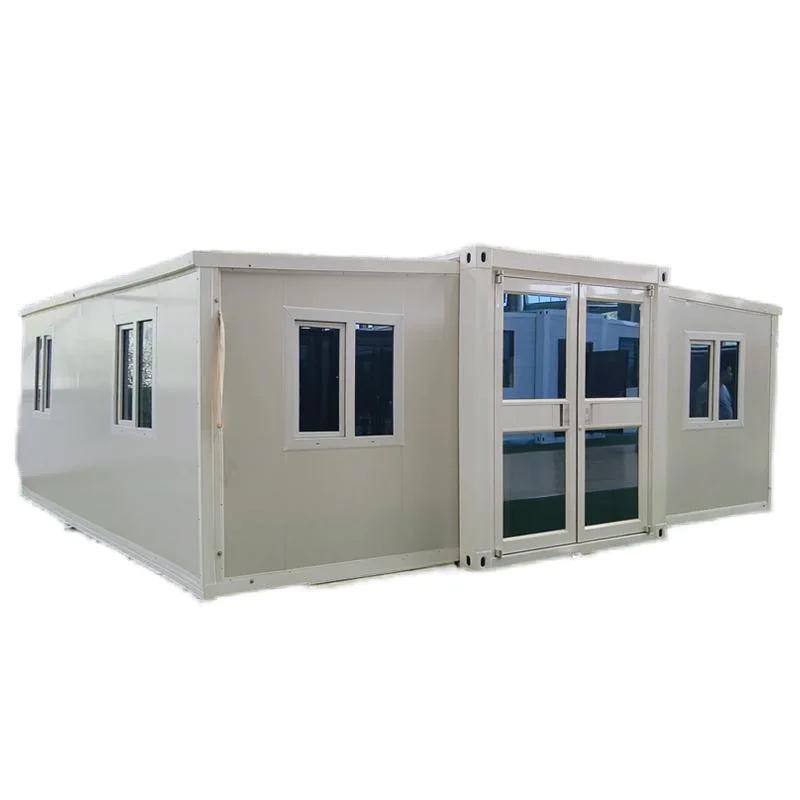
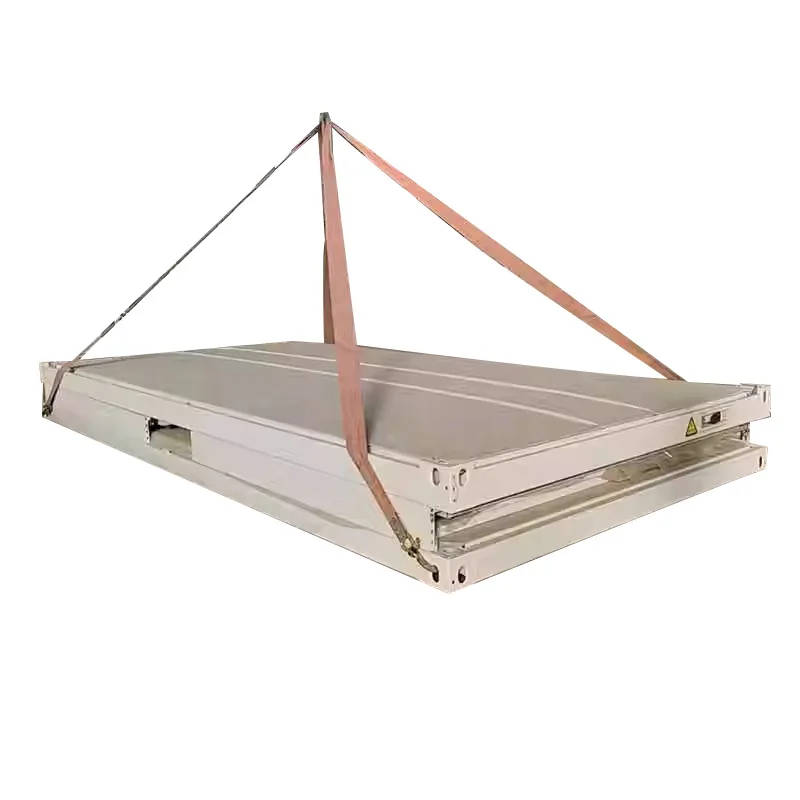
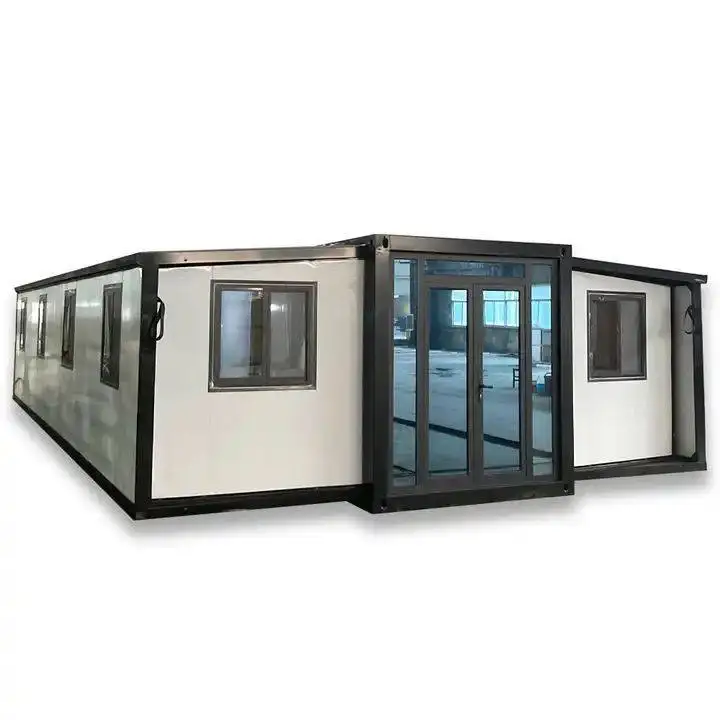
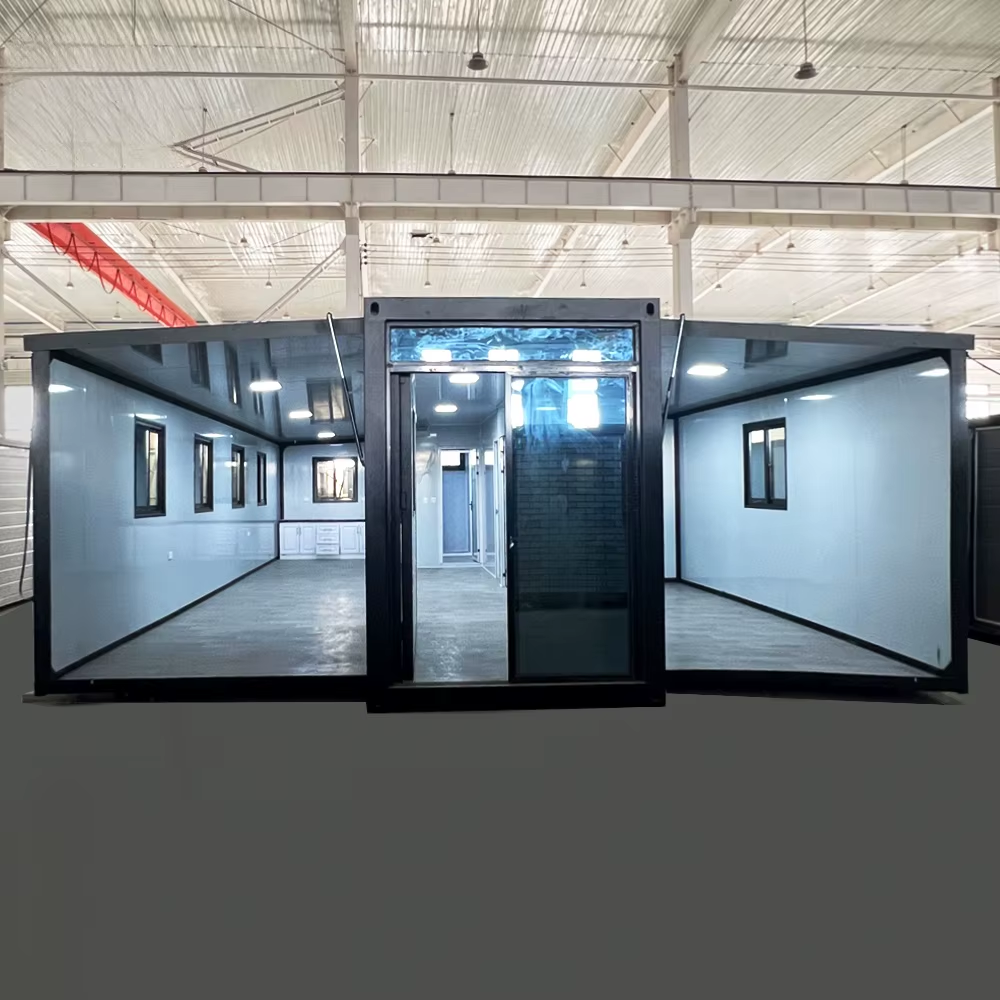
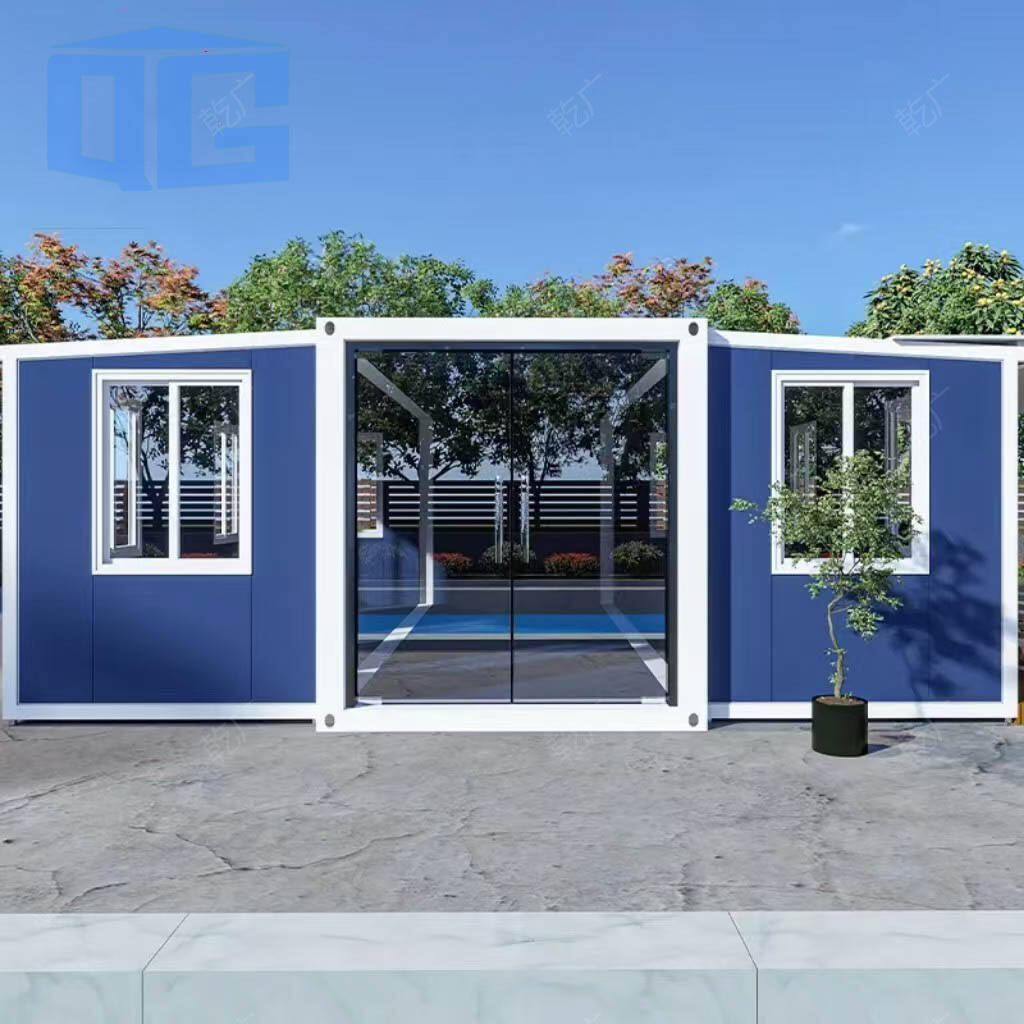
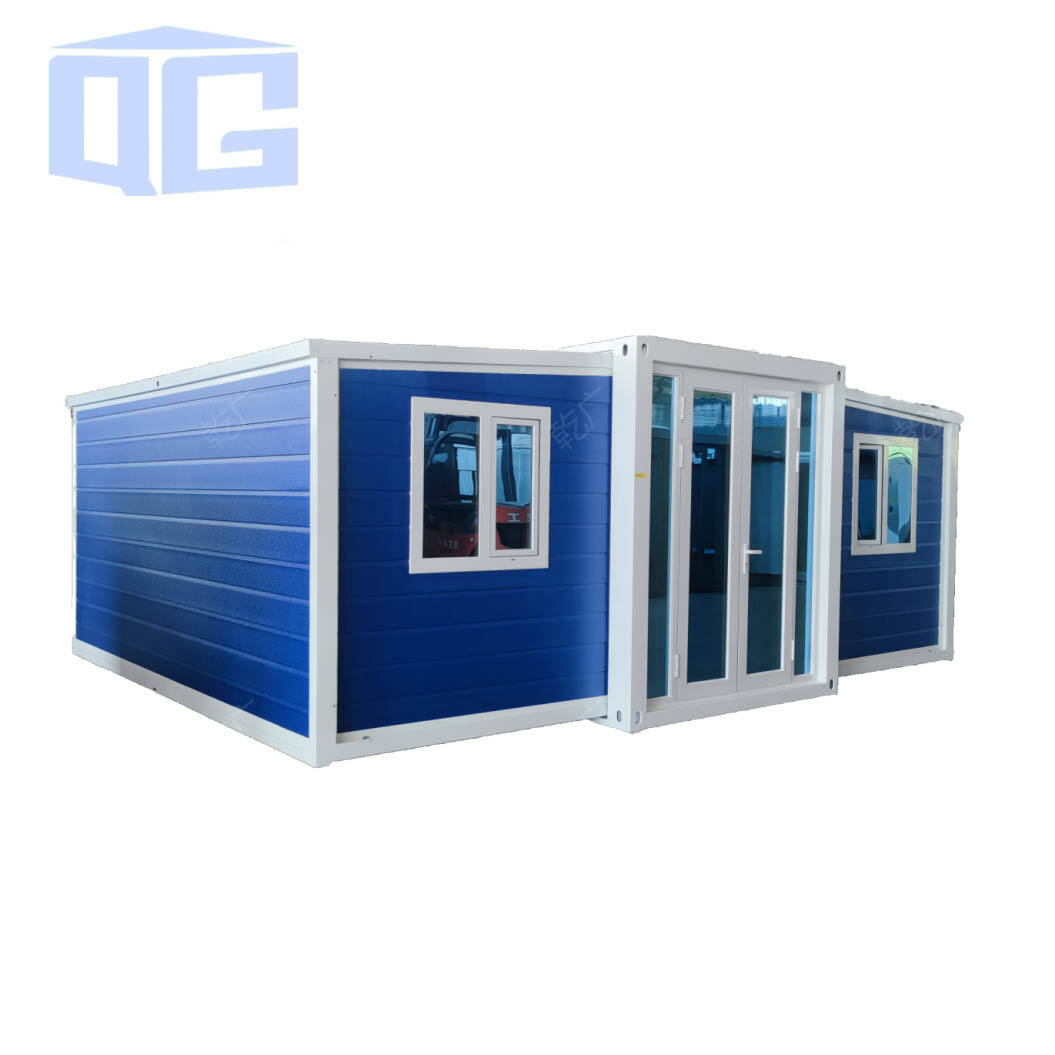
In an era defined by mobility, climate adaptability, and circular economics, the concept of permanence in construction is being fundamentally re-examined. The demand for Prefab Houses Easy to Disassemble represents a paradigm shift towards buildings as dynamic, valuable assets rather than fixed, depreciating liabilities. At QG Building, we have pioneered this shift, transforming the principle of disassembly from a theoretical ideal into a practical, engineered standard for our prefabricated modular steel and container-based homes.
The foundation of disassemblability is "Design for Deconstruction" (DfD), a principle we integrate from the earliest sketch. This begins with material selection: we prioritize durable, high-grade steel and composite panels that can withstand the stresses of multiple assembly cycles without degradation. The architectural layout is then broken down into logical, transportable modules of optimal size, minimizing on-site cutting and connections. Crucially, every connection between these modules—whether structural, waterproof, or related to interior finishes—is meticulously designed as a reversible interface.
Structurally, this is achieved through our use of bolted moment connections and shear plates instead of welding. These connections are precisely calibrated to provide the required strength and rigidity during the building's service life but can be unfastened with standard tools when needed. The building envelope is similarly engineered; external cladding panels are mechanically fastened to a sub-frame, and interior wall systems are often clip-fixed, allowing for non-destructive removal. This approach stands in stark contrast to traditional methods reliant on adhesives, wet seals, and irreversible bonds that render materials inseparable and destined for landfill at a building's end-of-life.
The benefits of this approach are profound and multi-layered. From a financial perspective, Prefab Houses Easy to Disassemble function as tangible, redeployable capital. A structure can serve a 5-year project at a mining site, be disassembled, refurbished, and then serve a 10-year term as a school campus, dramatically extending its revenue-generating lifespan and improving return on investment. From a sustainability standpoint, it is the ultimate form of waste reduction. By enabling the reuse of entire building subsystems, we prevent the massive resource consumption and carbon emissions associated with manufacturing entirely new materials for every project. Studies indicate that building reuse can save between 50-75% of embodied carbon compared to new construction.
Operationally, this model offers unmatched agility. It provides a clear exit strategy for temporary land leases, allows communities to physically relocate away from climate change threats like rising sea levels, and enables rapid response in disaster scenarios where housing can be deployed, used, and later retrieved for future emergencies. Our experience with high-stakes, temporary installations for global events like the FIFA World Cup has honed our processes for speed, reliability, and quality in both installation and demobilization phases.
Ultimately, our commitment to creating Prefab Houses Easy to Disassemble is about providing resilience and choice. It empowers our clients with flexibility, protects their financial and environmental investments, and aligns with a forward-thinking vision of the built environment—one that is adaptable, sustainable, and respectful of both our planet's resources and the ever-changing nature of human habitation and enterprise.

 EN
EN