EN
EN



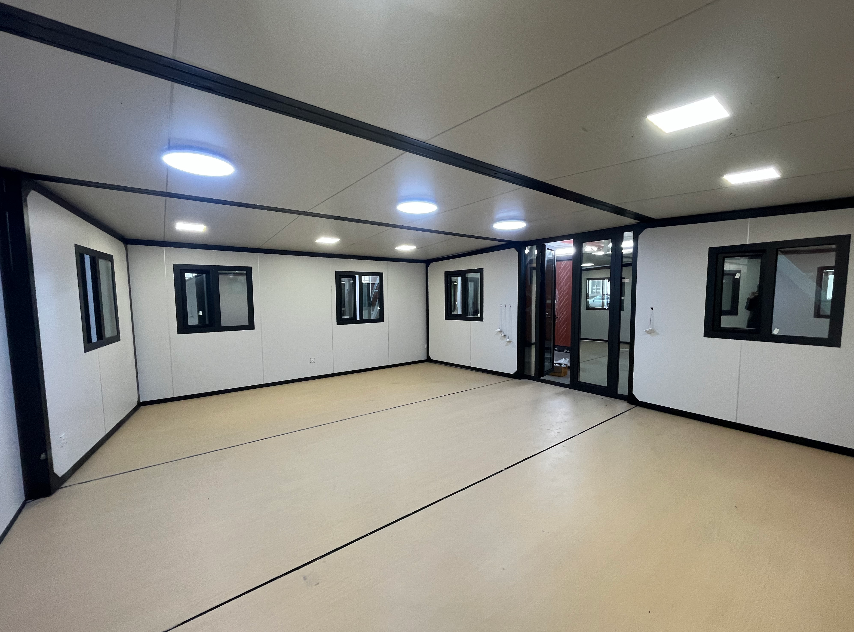
Szabályozási készenlét: területfelhasználási előírások, építési szabályzatok és engedélyek a kibővíthető konténerházakhoz
A kereskedelmi célú kibővíthető konténerházak területfelhasználási előírásainak és építési szabályzati követelményeinek betartása
A kereskedelmi alkalmazások szigorúan követniük kell a helyi szabályozásokat. Fő szempontok:
- Területfelhasználási engedélyek : Igazolja, hogy a telek felhasználása összhangban van a kereskedelmi tevékenységgel – például ipari vagy vegyes használatú zónákban, nem lakóterületeken
- Építési szabályzatok : Megfeleljen a szerkezeti biztonsági, tűzállósági (IBC 6. fejezet) és akadálymentességi szabványoknak (ADA/ANSI A117.1)
- Közüzemi megfelelőség kövesse a Nemzeti Villamoskódexet (NEC), az Internacionális Vízvezeték-kódexet (IPC) és az Internacionális Gépészeti Kódexet (IMC)
A szabályozási előírások be nem tartása 2–4 hónapos projektelőrehaladási késést és 15 000 dollárnál magasabb bírságot eredményezhet (International Code Council, 2023).
| Szabályozási szempont | Kereskedelmi követelmény | Közös hibák |
|---|---|---|
| Területfelhasználási besorolás | Kereskedelmi/iptali területi megjelölés | Lakóterületi korlátozások |
| Engedélyezési időkeretek | 8–12 hét feldolgozási idő | Hiányos dokumentáció |
| Hátország-szabályozás | 15–25 láb távolság a tulajdonhatároktól | Alapozási számítási hibák |
Irodai minőségű bővíthető konténerházak szerkezeti tanúsítása és megerősítési követelményei
Az irodai környezetek magasabb szerkezeti integritást igényelnek, mint amit a szokásos ISO konténertanúsítások biztosítanak. A kritikus módosítások közé tartoznak:
- Alapozás megerősítése : Dinamikus élettartamú terhelésekhez és bővítésből eredő feszültségekhez tervezett betonpillérek vagy födémgerendák
- Vázszerkezet bővítése : További acél oszlopok és merevített csatlakozások a bővítési illesztéseknél a merevség fenntartása érdekében
- Hasznos teherbírás : Minimum 100 psf – harmadik fél által végzett mérnöki elemzéssel igazolt érték – az irodai berendezések, bútorok és foglaltsági sűrűség elviselésére
- Földrengés-/szél elleni merevítés átlós merevítőkeretek vagy nyírási falak magas kockázatú zónákban az ASCE 7-22 előírásai szerint
Független mérnöki pecsétek – az ANSI/AISC 360-16 szabvánnyal összhangban ellenőrizve – megerősítik a 50 főnél több személyt befogadó terek szerkezeti biztonságát. Tanúsítatlan építmények esetében az érvényes biztosítási díjak 86%-kal magasabbak (Szerkezeti Mérnöki Intézet, 2024).
Funkcionális tervezés: bővíthető konténerházak testreszabása irodai munkafolyamatok igényeihez
Térbeli elrendezés és bővíthető konfigurációk együttműködő és magánmunkaterületek számára
Az hatékony irodatervezés egyensúlyt teremt az együttműködési központok és a koncentrált munkavégzésre szolgáló területek között – éppen itt nyújtanak stratégiai előnyt a bővíthető konténerházak. Moduláris felépítésük lehetővé teszi a térbeli alkalmazkodást valós időben:
- Húzó rész azonnal létrehozhatók dedikált csapatértekezési terek agyagömbösítési szekciók során, majd visszahúzhatók, hogy helyreállítsák a kompakt működési alapterületet
- Rakható modulok lehetővé teszik a függőleges szervezeti elkülönítést – például az értékesítés az első szinten, az R&D pedig felette – anélkül, hogy megszűnnének a szerkezeti folytonossági követelmények
- Hajtható válaszfalak nyitott tereptervű zónák átalakítása akusztikailag elkülönített magánirodákká bizalmas feladatok vagy koncentrált munkavégzés céljából
Egy 2023-as irodahelyiségek hatékonyságát vizsgáló tanulmány szerint a rekonfigurálható elrendezést használó vállalatok 40%-kal csökkentették az üléstermek hiányát, miközben 25%-kal kisebb összes alapterületet tartottak fenn. Ez a dinamikus zonálás közvetlenül támogatja a hibrid munkamodellt, amelyben a napi térigény változik a együttműködés, a koncentráció és a rugalmasság között.
Belső kialakítás, MEP-integráció és akadálymentesség bővíthető konténerházakban
Kereskedelmi célú belső térnek minden bővítési állapotban teljes funkcionalitást kell biztosítania. A zavarmentes integráció – nem utólagos beépítés – elengedhetetlen:
| Rendszer | Bővítési követelmény | Kereskedelmi szabvány |
|---|---|---|
| Elektromos | Rugalmas vezetékvédő rendszerek feszültségkímélő végződésekkel | 20+ csatlakozópont 100 négyzetláb (kb. 9,3 m²) alapterületenként |
| HVAC | Zónánként szabályozható klímavezérlés csőnélküli mini-split vagy változó hűtőközeg-áramlású (VRF) rendszerekkel | 68–72 °F (20–22 °C) foglaltsági hőmérséklet-tartomány |
| Vízelvezeték | Behúzható csőcsatlakozások rugalmas csatlakozókkal | ADA-szabályzatnak megfelelő szabad tér |
| Adatinfrastruktúra | Pajzolt Cat6a kábelvezetés bővíthető kábelkezelési rendszerrel | 1 Gbps-nál gyorsabb kapcsolat, PoE++-képes |
A hozzáférhetőség tekintetében valóban nincs helye kompromisszumoknak különböző konfigurációk esetén. Az ajtóátjáróknak legalább 32 hüvelyk (kb. 81 cm) szabad teret kell biztosítaniuk, akár kinyitott, akár becsukott állapotban vannak. A rámpák és átmenetek számára szintén elengedhetetlenek a csúszásmentes felületek, valamint a megfelelő lejtési szögek – függetlenül attól, hol helyezkednek el a modulok. Az épületgépészeti (MEP) rendszerek integrációjának módja is jelentős különbséget jelent. A 2022-es Kereskedelmi Építési Jelentés adatai szerint a vállalkozások körülbelül 60%-kal csökkenthetik az állásidőt új elrendezések kialakításakor. Ez azt jelenti, hogy a működés zavartalanul folytatódik, még akkor is, ha a terek fokozatosan átalakulnak. Emellett ezek a megoldások természetes módon összhangban vannak az ADA előírásaival, így mindenki számára kényelmesen hozzáférhető munkakörnyezeteket teremtenek.
Működési előny: sebesség, skálázhatóság és életciklus-érték a bővíthető konténerházaknál
A kibővíthető konténerházak átalakító működési előnyöket nyújtanak kereskedelmi felújítási és növekedési célokra. A telepítés sebességgel kezdődik: ellentétben a hagyományos építkezéssel, amely hónapokig tartó helyszíni munkát igényel, ezek az egységek 48 órán belül felszerelhetők – a kinyíló mechanizmusok lehetővé teszik az azonnali beköltözést. Ez a gyors összeszerelés minimálisra csökkenti a vállalkozások zavart, így a működés folyamatosan folytatható átmeneti időszakokban.
A skálázhatóság tovább erősíti értéküket: a vállalkozások lépésről lépésre bővíthetik moduljaikat a csapatok növekedésével – elkerülve a költséges túlépítést vagy a kihasználatlan területet. Egyetlen kibővíthető egység kezdetben 6–12 munkahelyet fogad el; az egymással összekapcsolható tervek zavarmentes vízszintes vagy függőleges bővítést tesznek lehetővé szerkezeti kompromisszum nélkül.
Az időbeli gazdasági elemzés egy másik, szintén kedvező képet mutat. Amikor a vállalatok ezt az egységet tömörítve szállítják, a szállítási költségek körülbelül háromnegyedével csökkennek. És ezek a corten acélból készült keretek? Kiválóan ellenállnak az időjárásnak, és minimális karbantartást igényelnek. Gyakorlati adatok szerint a legtöbb vállalat a beruházását két-tíz év alatt megtéríti. Emellett, mivel minden modulárisan épül fel, az irodák szükség szerint áthelyezhetők vagy újra rendezhetők. Ez azt jelenti, hogy a vállalatok nem pazarolnak pénzt olyan rögzített eszközökre, amelyek elavulnak, ha a üzleti körülmények megváltoznak. A Ponemon Intézet 2023-as iparági kutatása szerint a konténeralapú irodák esetében a felújítási időszakok majdnem hét esetből tízben csökkennek. A hosszú távú teljes költség is körülbelül negyven százalékkal alacsonyabb, mint a hagyományos építési módszerek esetében. Ennek fényében érthető, miért fordul egyre több jövőbe tekintő szervezet e megoldás felé irodaterületeinek kialakításához.
GYIK szekció
Milyen engedélyek szükségesek a kibővíthető konténerházakhoz?
A kibővíthető konténerházakhoz övezeti engedélyek szükségesek annak biztosítására, hogy a földhasználat összhangban legyen a kereskedelmi tevékenységekkel, valamint hogy megfeleljenek a helyi építési szabályzatoknak a biztonság, tűzállóság és akadálymentesség szempontjából.
Mennyi idő szükséges egy kibővíthető konténerház telepítéséhez?
A kibővíthető konténerházakat 48 órán belül lehet telepíteni, így azonnali beköltözés lehetséges, és minimális üzleti zavar keletkezik.
Gazdaságosak-e a kibővíthető konténerházak?
Igen, a kibővíthető konténerházak általában hosszú távon költséghatékonyak. Csökkentik a szállítási költségeket, kevesebb karbantartást igényelnek, és általában két-három év alatt megtérül a beruházásuk a hagyományos építési módszerekhez képest.
Tartalomjegyzék
- Szabályozási készenlét: területfelhasználási előírások, építési szabályzatok és engedélyek a kibővíthető konténerházakhoz
- Funkcionális tervezés: bővíthető konténerházak testreszabása irodai munkafolyamatok igényeihez
- Működési előny: sebesség, skálázhatóság és életciklus-érték a bővíthető konténerházaknál
- GYIK szekció