EN
EN



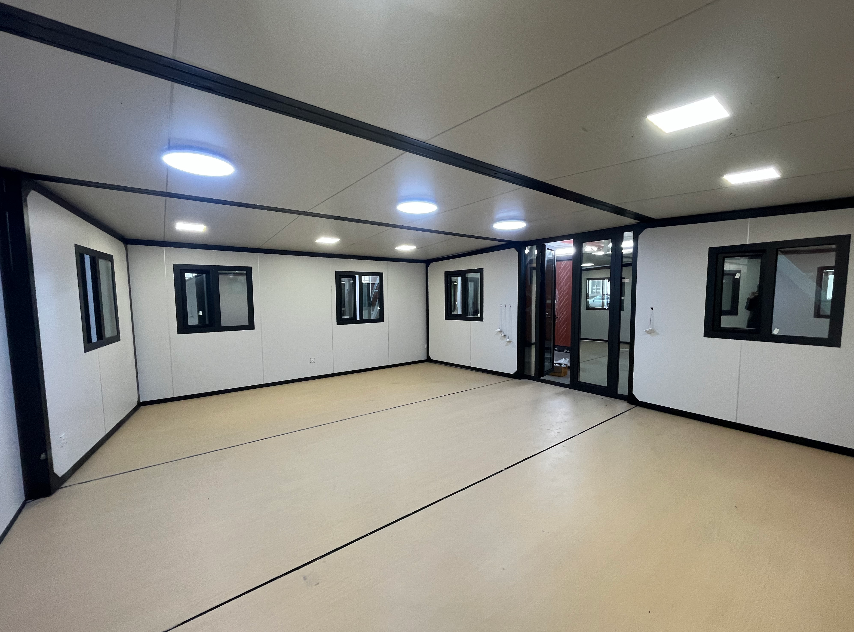
Ετοιμότητα Σε Θέματα Ρυθμίσεων: Ζωνοποίηση, Κανονισμοί Και Αδειοδοτήσεις Για Διασταλτά Σπίτια Με Κοντέινερ
Διαχείριση Των Νόμων Ζωνοποίησης Και Της Συμμόρφωσης Με Τους Κανονισμούς Δόμησης Για Εμπορικά Διασταλτά Σπίτια Με Κοντέινερ
Οι εμπορικές εγκαταστάσεις απαιτούν αυστηρή τήρηση των τοπικών ρυθμίσεων. Οι βασικές πτυχές που πρέπει να ληφθούν υπόψη είναι:
- Άδειες Ζωνοποίησης : Επιβεβαιώστε ότι η χρήση της γης συμφωνεί με την εμπορική δραστηριότητα—π.χ. βιομηχανικές ή μικτές ζώνες—και όχι με κατοικημένες περιοχές
- Κανονισμοί Δόμησης : Πληρούνται οι προδιαγραφές ασφάλειας της κατασκευής, αντοχής στη φωτιά (Κεφάλαιο 6 του IBC) και προσβασιμότητας (ADA/ANSI A117.1)
- Συμμόρφωση με τις απαιτήσεις για υπηρεσίες να ακολουθείται ο Εθνικός Κώδικας Ηλεκτρικών Εγκαταστάσεων (NEC), ο Διεθνής Κώδικας Υδραυλικών Εγκαταστάσεων (IPC) και ο Διεθνής Μηχανολογικός Κώδικας (IMC)
Η μη συμμόρφωση ενέχει κινδύνους καθυστέρησης του έργου κατά 2–4 μήνες και πρόστιμα υπερβαίνοντα τα 15.000 δολάρια ΗΠΑ (Διεθνής Συμβούλιο Κωδίκων, 2023).
| Ρυθμιστικό Θέμα | Εμπορική απαίτηση | Κοινές Λαθώνες |
|---|---|---|
| Ταξινόμηση Ζώνης | Ορισμός γης για επιχειρηματική/βιομηχανική χρήση | Περιορισμοί για κατοικημένες ζώνες |
| Χρονοδιάγραμμα Αδειών | επεξεργασία σε 8–12 εβδομάδες | Ατελής τεκμηρίωση |
| Κανόνες Απόστασης από Όρια Ιδιοκτησίας | 15–25 πόδια από τα όρια της ιδιοκτησίας | Λανθασμένοι υπολογισμοί της βάσης |
Πιστοποίηση δομικής ακεραιότητας και απαιτήσεις ενίσχυσης για επεκτάσιμα κοντέινερ κτίρια γραφείων
Οι χώροι γραφείων απαιτούν αυξημένη δομική ακεραιότητα πέραν των τυπικών πιστοποιήσεων ISO κοντέινερ. Οι κρίσιμες τροποποιήσεις περιλαμβάνουν:
- Ενίσχυση της βάσης : Σκυρόδεμα πέδιλα ή δοκοί επίπεδου εδάφους σχεδιασμένα για δυναμικά φορτία λειτουργίας και τάσεις που προκαλούνται από την επέκταση
- Ενίσχυση του πλαισίου : Επιπλέον στηλώματα από χάλυβα και συνδέσμους με γωνιακά πλακίδια (gusset) στις αρθρώσεις επέκτασης για διατήρηση της σκληρότητας
- Φορτίο Λειτουργίας : Ελάχιστο 100 psf — επαληθευμένο μέσω ανεξάρτητης μηχανικής ανάλυσης — για να υποστηρίζει τον εξοπλισμό γραφείου, τα έπιπλα και την πυκνότητα χρηστών
- Αντισεισμική/αντιανεμική στήριξη : Διαγώνια πλαίσια ροπής ή τοιχώματα διάτμησης σε περιοχές υψηλού κινδύνου, σύμφωνα με τις απαιτήσεις του ASCE 7-22
Σφραγίδες μηχανικών τρίτων μερών—επαληθευμένες σύμφωνα με το πρότυπο ANSI/AISC 360-16—επιβεβαιώνουν τη δομική ασφάλεια για χώρους που φιλοξενούν 50+ επισκέπτες. Οι μη πιστοποιημένες κατασκευές αντιμετωπίζουν 86% υψηλότερα ασφάλιστρα (Structural Engineering Institute, 2024).
Λειτουργικός Σχεδιασμός: Προσαρμογή Επεκτάσιμων Κατοικιών Βαρέλιου στις Ανάγκες Ροής Εργασίας του Γραφείου
Χωρικός Σχεδιασμός και Επεκτάσιμες Διαμορφώσεις για Συνεργατικούς και Ιδιωτικούς Χώρους Εργασίας
Ένας αποτελεσματικός σχεδιασμός γραφείου ισορροπεί μεταξύ συνεργατικών κέντρων και χώρων εστιασμένης εργασίας—ακριβώς εκεί όπου οι επεκτάσιμες κατοικίες βαρέλιου προσφέρουν στρατηγικό πλεονέκτημα. Η ενσωματωμένη τους μοντουλαρότητα επιτρέπει πραγματική προσαρμογή του χώρου:
- Εξωσυρόμενα τμήματα δημιουργεί αμέσως αφιερωμένους χώρους συναντήσεων ομάδων κατά τη διάρκεια συνεδριάσεων εγερσης ιδεών, και στη συνέχεια ανασύρεται για να αποκαταστήσει το συμπαγές λειτουργικό περιθώριο
- Μονάδες που μπορούν να τοποθετηθούν η μία πάνω στην άλλη επιτρέπει κατακόρυφη τμηματοποίηση τμημάτων—π.χ. πωλήσεις στο ισόγειο και έρευνα & ανάπτυξη στον επάνω όροφο—χωρίς να θιγεί η δομική συνέχεια
- Αρθρωτά διαχωριστικά μετατρέπουν ζώνες ανοικτού σχεδιασμού σε ακουστικά απομονωμένα ιδιωτικά γραφεία για εμπιστευτικές εργασίες ή εργασίες που απαιτούν συγκέντρωση
Μια μελέτη του 2023 για την αποδοτικότητα των χώρων εργασίας ανέφερε ότι οι εταιρείες που χρησιμοποιούσαν επαναδιαμορφώσιμες διαρρυθμίσεις μείωσαν τις ελλείψεις αιθουσών συναντήσεων κατά 40%, ενώ διατήρησαν συνολικά χώρους 25% μικρότερους. Αυτή η δυναμική ζώνηση υποστηρίζει απευθείας τα υβριδικά μοντέλα εργασίας, όπου οι καθημερινές ανάγκες χώρου μεταβάλλονται μεταξύ συνεργασίας, συγκέντρωσης και ευελαστικότητας.
Εσωτερική Επισκευή, Ολοκλήρωση ΜΗΕ (Μηχανολογικών, Ηλεκτρολογικών και Υδραυλικών Εγκαταστάσεων) και Προσβασιμότητα σε Διασταλτούς Κοντέινερ-Κατοικίες
Τα εμπορικού τύπου εσωτερικά πρέπει να διατηρούν πλήρη λειτουργικότητα σε όλες τις καταστάσεις διεύρυνσης. Απαραίτητη είναι η αδιάκοπη ολοκλήρωση — όχι η μεταγενέστερη προσαρμογή:
| Σύστημα | Απαίτηση Διεύρυνσης | Εμπορικό πρότυπο |
|---|---|---|
| Ηλεκτρικά | Ευέλικτα συστήματα καλωδίωσης με τερματικά απόσβεσης τάσης | πάνω από 20 πρίζες ανά 100 τ. πόδια |
| Hvac | Ζωνοποιημένος έλεγχος κλίματος με χωρίς αγωγούς μινι-σπλιτ συστήματα ή συστήματα μεταβλητής ροής ψυκτικού (VRF) | εύρος θερμοκρασίας κατά την παρουσία χρηστών: 20–22°C |
| Υδραυλικά | Ανασυρόμενοι σωληνωτοί κόμβοι με ευέλικτες συνδέσεις | Διαδρόμους και χώρους σύμφωνα με τις προδιαγραφές ADA (Αμερικανικός Νόμος για τα Ανάπηρα) |
| Υποδομή Δεδομένων | Καλωδίωση Shielded Cat6a με διαχείριση καλωδίων ανεκτική σε διαστάσεις διόγκωσης | σύνδεση 1 Gbps και άνω, έτοιμη για PoE++ |
Όσον αφορά την προσβασιμότητα, δεν υπάρχει πραγματικά περιθώριο συμβιβασμού σε διαφορετικές διαμορφώσεις. Οι πόρτες πρέπει να διατηρούν τουλάχιστον 32 ίντσες (81,3 εκ.) ελεύθερου χώρου, είτε βρίσκονται σε διογκωμένη είτε σε συρρικνωμένη κατάσταση. Οι κλίμακες και οι μεταβάσεις χρειάζονται επίσης επίστρωση αντιολισθητικής επιφάνειας και κατάλληλες γωνίες κλίσης, ανεξάρτητα από τη θέση των μονάδων. Τον τρόπο με τον οποίο ενσωματώνονται τα συστήματα MEP (Μηχανολογικά, Ηλεκτρολογικά και Υδραυλικά) έχει επίσης μεγάλη σημασία. Σύμφωνα με στοιχεία από την Έκθεση Εμπορικής Δόμησης του 2022, οι επιχειρήσεις μπορούν να μειώσουν τον χρόνο αδράνειας κατά περίπου 60% κατά την πραγματοποίηση αλλαγών στη διάταξη των χώρων. Αυτό σημαίνει ότι οι λειτουργίες συνεχίζονται αδιάλειπτα, ακόμα και καθώς οι χώροι εξελίσσονται. Επιπλέον, αυτές οι διαμορφώσεις συμβαδίζουν φυσικά με τις απαιτήσεις του ADA (Νόμου για τα Ατομα με Αναπηρία), δημιουργώντας εργασιακά περιβάλλοντα στα οποία όλοι μπορούν να έχουν πρόσβαση άνετα.
Λειτουργικό Πλεονέκτημα: Ταχύτητα, Κλιμάκωση και Αξία Διάρκειας Ζωής των Διασταλτών Κοντέινερ-Σπιτιών
Οι διασταλτές κατοικίες-δοχεία προσφέρουν μετασχηματιστικά λειτουργικά οφέλη για την εμπορική ανακαίνιση και ανάπτυξη. Η εγκατάστασή τους ξεκινά με ταχύτητα: σε αντίθεση με την παραδοσιακή κατασκευή, που απαιτεί μήνες εργασιών επί τόπου, αυτές οι μονάδες εγκαθίστανται σε λιγότερο από 48 ώρες—με μηχανισμούς ανάπτυξης που επιτρέπουν άμεση κατοίκηση. Αυτή η ταχεία συναρμολόγηση ελαχιστοποιεί τη διατάραξη των επιχειρηματικών δραστηριοτήτων, επιτρέποντας στις λειτουργίες να συνεχιστούν αδιάκοπα κατά τη διάρκεια των μεταβάσεων.
Η κλιμάκωση ενισχύει περαιτέρω την αξία τους: οι επιχειρήσεις μπορούν να προσθέτουν μονάδες σταδιακά καθώς μεγαλώνει η ομάδα εργαζομένων—αποφεύγοντας έτσι την ακριβή υπερκατασκευή ή τον ανεκμετάλλευτο χώρο. Μία μόνη διασταλτή μονάδα μπορεί αρχικά να φιλοξενήσει 6–12 θέσεις εργασίας· οι διασυνδεόμενοι σχεδιασμοί υποστηρίζουν απρόσκοπτη οριζόντια ή κατακόρυφη επέκταση χωρίς να θέτουν σε κίνδυνο τη δομική ακεραιότητα.
Η εξέταση της οικονομικής απόδοσης με την πάροδο του χρόνου διηγείται μια άλλη ενθαρρυντική ιστορία. Όταν οι επιχειρήσεις αποστέλλουν αυτές τις μονάδες σε συμπιεσμένη μορφή, μειώνουν τα έξοδα μεταφοράς κατά περίπου τρεις τέταρτα. Και αυτά τα πλαίσια από χάλυβα Corten; αντέχουν αρκετά καλά στις καιρικές συνθήκες χωρίς να απαιτείται σημαντική συντήρηση. Ορισμένα πραγματικά δεδομένα από την πράξη δείχνουν ότι η πλειονότητα των επιχειρήσεων ανακτά το κεφάλαιό της εντός δύο έως τριών ετών. Επιπλέον, εφόσον όλα κατασκευάζονται με μοντάρισμα σε μονάδες (modules), τα γραφεία μπορούν να μετακινηθούν σε άλλη τοποθεσία ή να αλλάξουν διάταξη κατόπιν ανάγκης. Αυτό σημαίνει ότι οι επιχειρήσεις δεν σπαταλούν χρήματα σε σταθερά περιουσιακά στοιχεία που καθίστανται ανενεργά όταν αλλάζουν οι επιχειρηματικές συνθήκες. Σύμφωνα με πρόσφατη βιομηχανική έρευνα του Ινστιτούτου Ponemon το 2023, τα γραφεία με βάση εμπορευματοκιβώτια μειώνουν πραγματικά τη διάρκεια των ανακαινίσεων σε σχεδόν επτά στις δέκα περιπτώσεις. Το συνολικό κόστος επί πολλών ετών είναι επίσης περίπου σαράντα τοις εκατό χαμηλότερο σε σύγκριση με τις παραδοσιακές μεθόδους κατασκευής. Δεν εκπλήσσει που τόσο πολλές προοδευτικές οργανώσεις στρέφονται προς αυτήν την προσέγγιση για να καλύψουν τις ανάγκες τους σε χώρους εργασίας.
Τμήμα Γενικών Ερωτήσεων
Ποιες άδειες απαιτούνται για τα διασταλτά σπίτια από container;
Τα διασταλτά σπίτια από container απαιτούν άδειες ρυθμίσεων χρήσης γης (zoning permits), προκειμένου να διασφαλιστεί η συμβατότητα της χρήσης της γης με εμπορικές δραστηριότητες, καθώς και η συμμόρφωση με τους τοπικούς κανονισμούς οικοδομικών έργων όσον αφορά τα πρότυπα ασφάλειας, αντοχής στη φωτιά και προσβασιμότητας.
Πόσο χρόνο χρειάζεται για την εγκατάσταση ενός διασταλτού σπιτιού από container;
Τα διασταλτά σπίτια από container μπορούν να εγκατασταθούν σε λιγότερο από 48 ώρες, επιτρέποντας άμεση κατοικία και ελάχιστη διαταραχή της επιχειρηματικής λειτουργίας.
Είναι οικονομικοί οι διασταλτοί κατοικίδιοι χώροι σε μονάδες;
Ναι, τα διασταλτά σπίτια από container είναι γενικά οικονομικά συμφέροντα με την πάροδο του χρόνου. Μειώνουν τα έξοδα μεταφοράς, απαιτούν λιγότερη συντήρηση και συνήθως αποδίδουν την επένδυση εντός δύο έως τριών ετών σε σύγκριση με τις παραδοσιακές μεθόδους κατασκευής.
Περιεχόμενα
- Ετοιμότητα Σε Θέματα Ρυθμίσεων: Ζωνοποίηση, Κανονισμοί Και Αδειοδοτήσεις Για Διασταλτά Σπίτια Με Κοντέινερ
- Λειτουργικός Σχεδιασμός: Προσαρμογή Επεκτάσιμων Κατοικιών Βαρέλιου στις Ανάγκες Ροής Εργασίας του Γραφείου
- Λειτουργικό Πλεονέκτημα: Ταχύτητα, Κλιμάκωση και Αξία Διάρκειας Ζωής των Διασταλτών Κοντέινερ-Σπιτιών
- Τμήμα Γενικών Ερωτήσεων