 ×
×
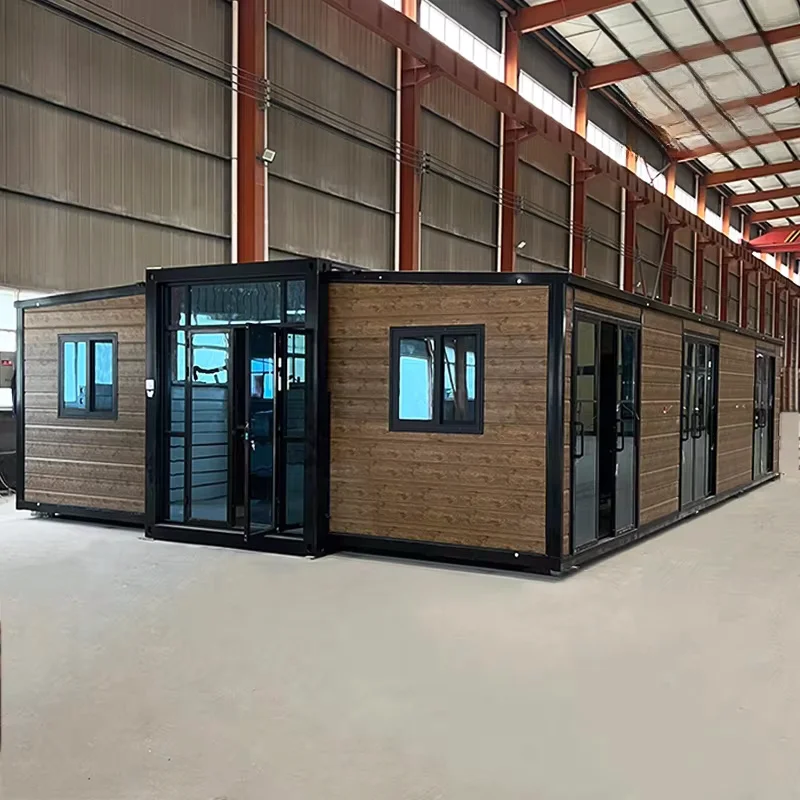
Container houses take those standard steel shipping containers we see stacked at ports everywhere and turn them into tough, compliant buildings for businesses and industries. These prefabricated modules are built elsewhere then shipped right to the site, which gives companies several real benefits when they need space fast. Material costs drop around 20 to 40 percent compared to regular building methods, and construction time gets cut down about half as well. That means businesses can get their pop-up offices or field operations running months sooner than usual. The best part? Since everything is modular, expanding or moving things around doesn't require tearing anything down first. For companies dealing with changing demands, this flexibility is gold dust. Environmentally speaking, putting old containers back into service keeps tons of scrap metal out of landfills while reducing carbon emissions by roughly two thirds over brand new construction. Add in some smart energy systems and proper certifications, and most businesses start seeing actual money saved on labor costs and overhead expenses within just a couple years.
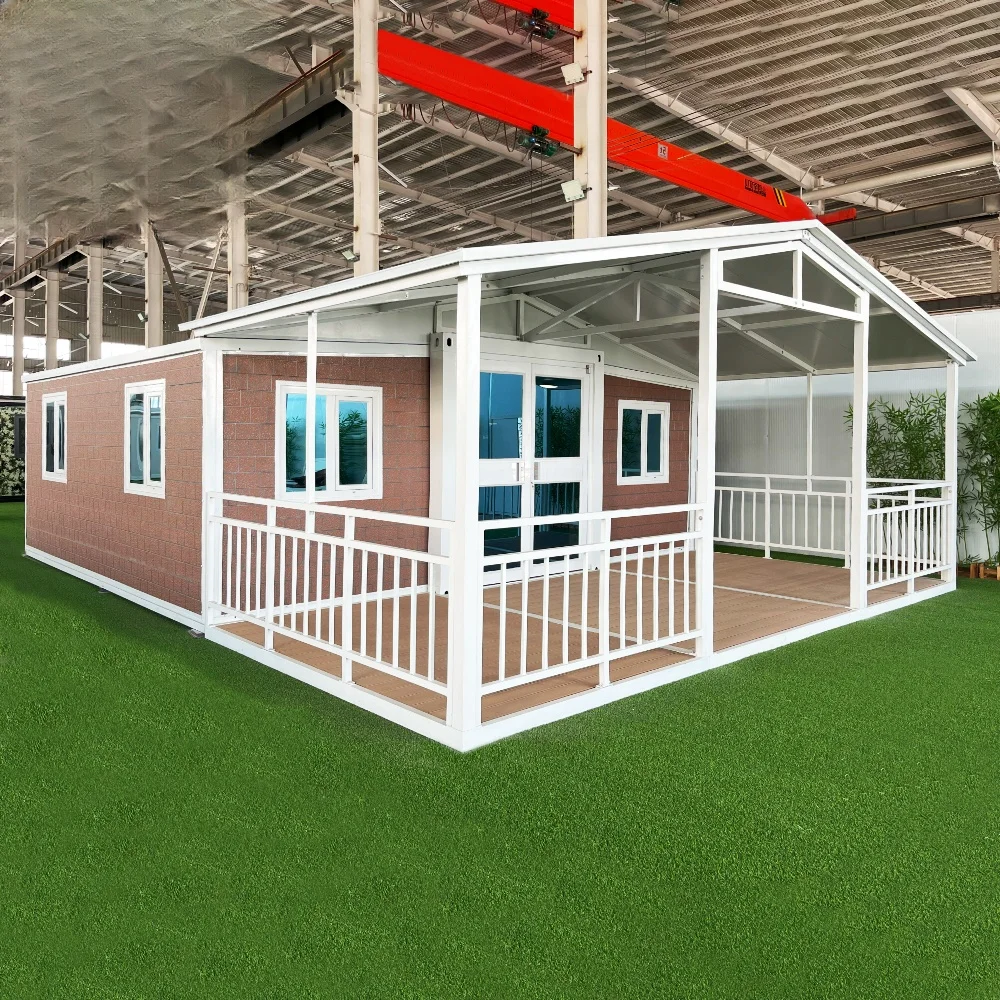
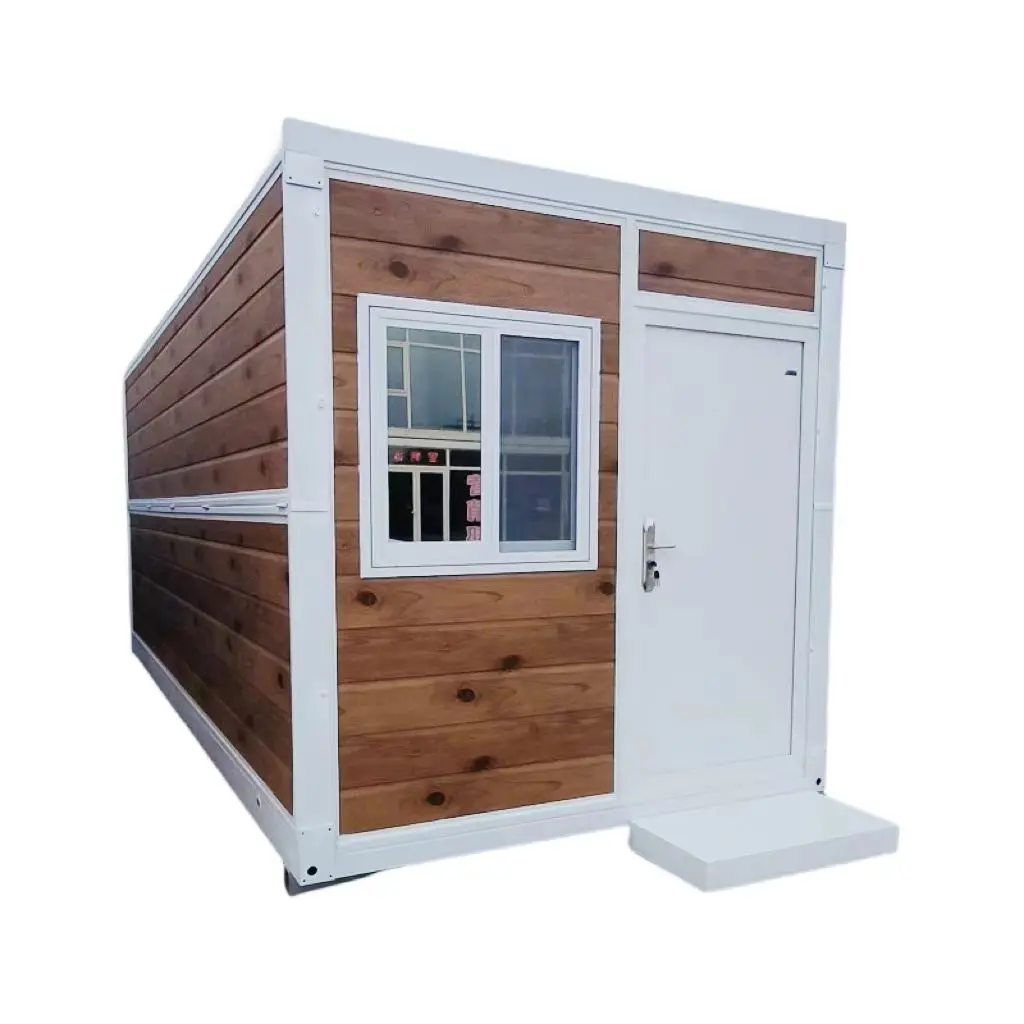
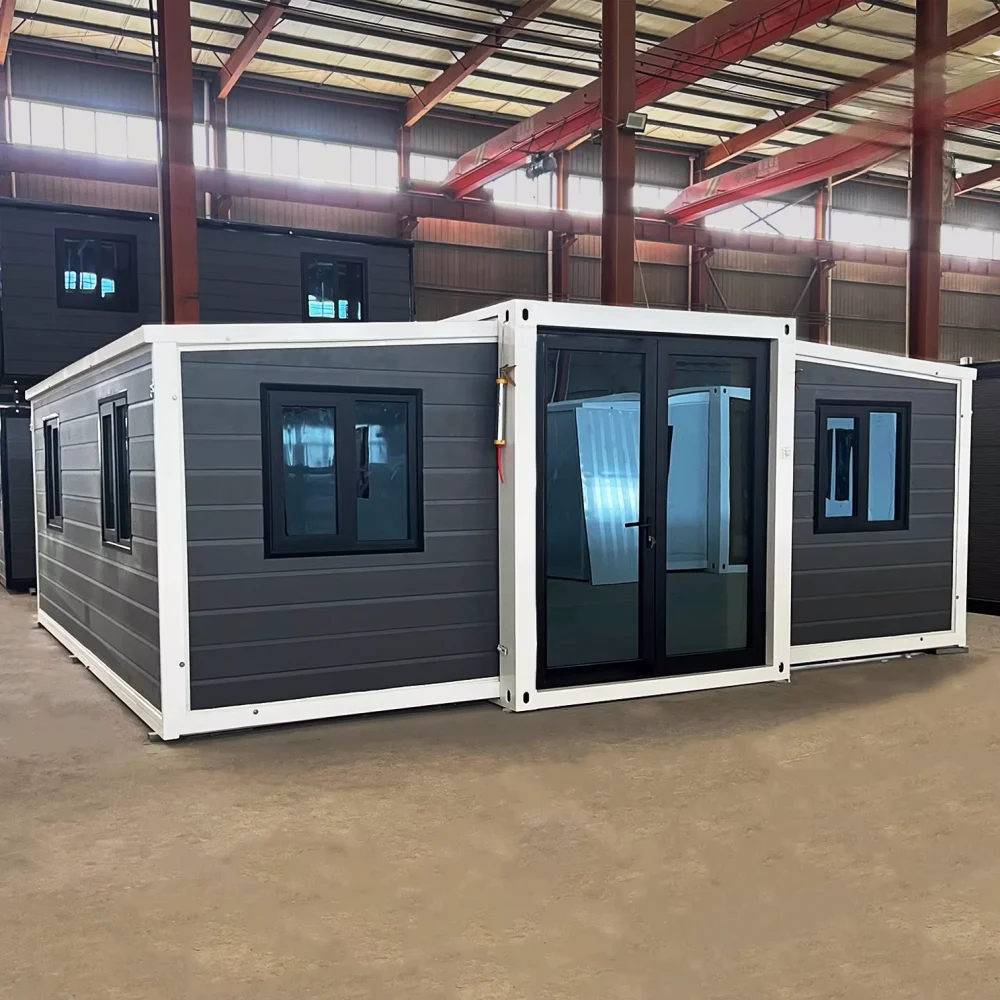
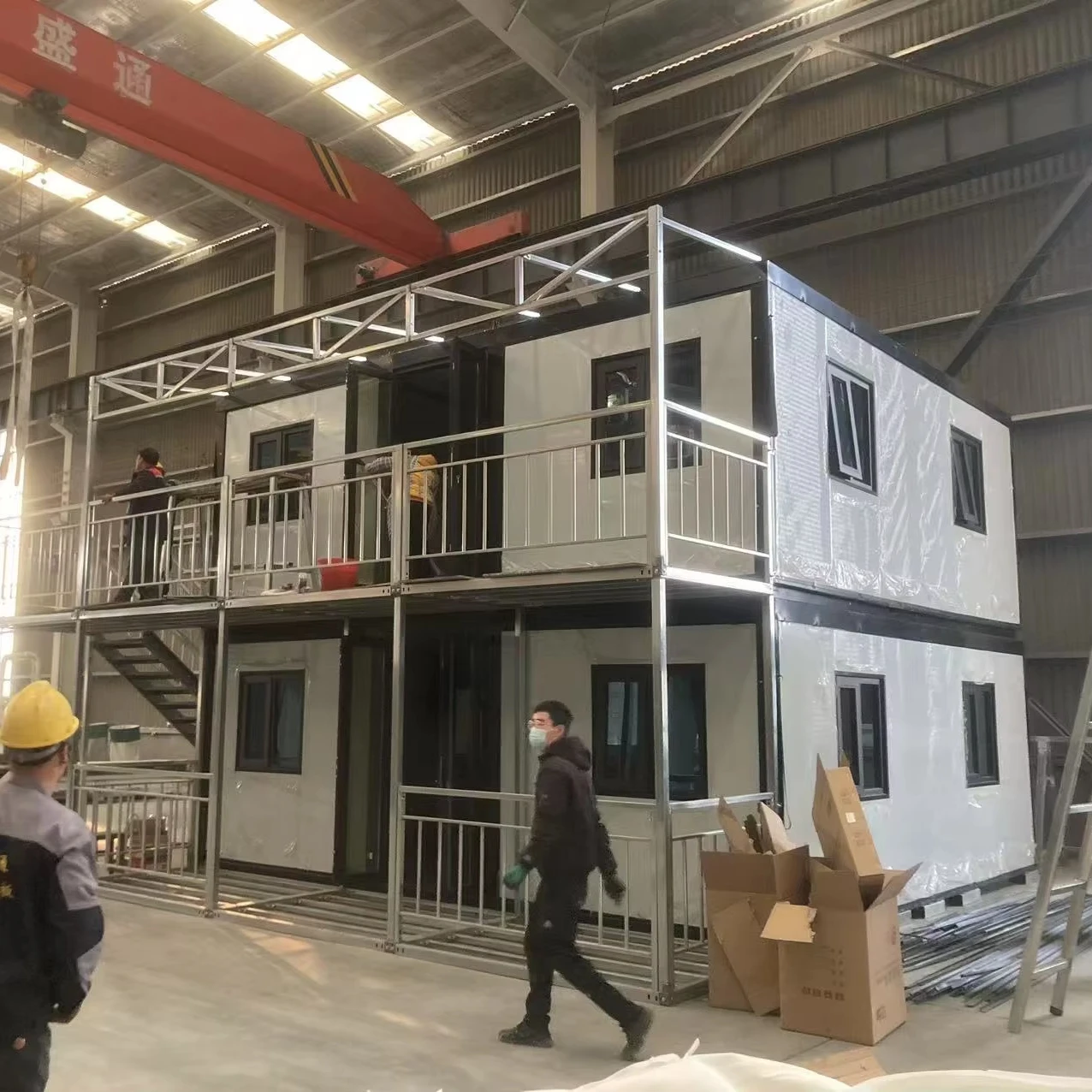
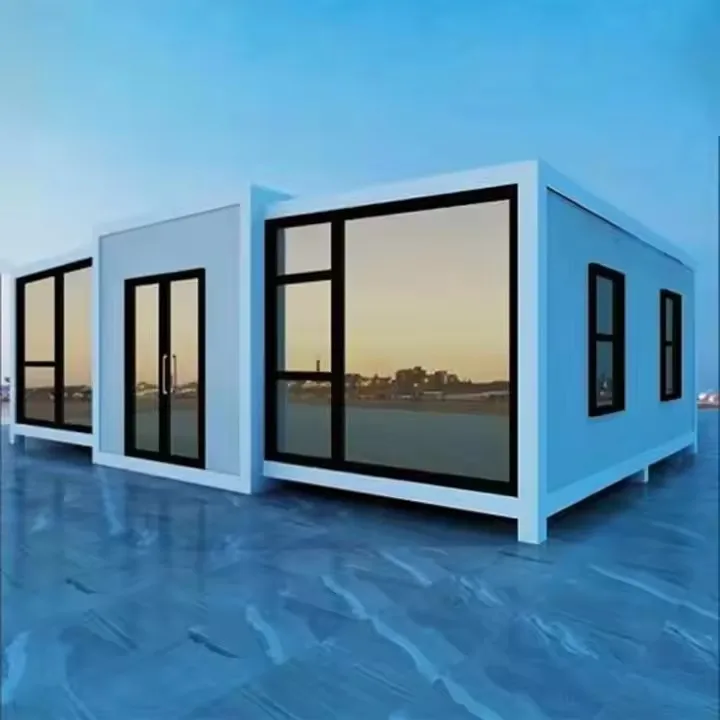
Container houses offer businesses incredible flexibility when it comes to space arrangement thanks to their standard factory built modules. Companies have options to arrange these containers side by side or stack them vertically for creating everything from simple office spaces to complex workshop setups or even mixed use areas. Most container builds typically feature open floor plans, separate office sections, built in bathroom facilities, and sometimes even second story platforms. The steel frames of ISO certified shipping containers are strong enough to support stacking three containers high without needing extra support structures. With special connecting systems, installation at the actual site takes only a few days instead of several weeks as traditional construction would require. This kind of modular approach means startups can begin operations with just one container and then add more as needed, matching their investment spending to actual business growth needs.
Good thermal performance starts with proper insulation choices like closed cell spray foam or mineral wool panels that actually stop condensation problems while keeping indoor temps steady even when outside conditions swing wildly between hot and cold extremes. For the outside layer, there are several good options available these days including corrugated steel sheets, fiber cement boards, wood siding, or those newer insulated metal panel systems. These materials do more than just look good they also boost protection against bad weather, meet fire safety standards, and fit into the overall design scheme of the building. And here's something important that gets overlooked sometimes all changes need to follow local building regulations covering things like how walls separate fires, withstand wind forces, handle earthquakes, provide emergency exits, and accommodate people with disabilities. Smart builders know this stuff inside out so they check their designs against ICC ES AC472 evaluations and bring in independent engineering experts to double check everything works properly before submitting permits. This saves everyone headaches later on down the road when inspectors show up for their rounds.
Container houses deliver compelling financial advantages for commercial and industrial applications, combining lower upfront investment with accelerated returns—without compromising durability, compliance, or long-term value.
Container house projects for commercial use usually cost around 30 to maybe even 50 percent less upfront money compared to building traditional structures on site. When things are prefabricated, there's way less waste lying around at construction sites. Plus, companies don't need as many specialized workers hanging around all day. The whole procurement process becomes much more standardized too. All these factors lead to better control over budgets and significantly fewer last minute changes during construction. Businesses find this predictability really helpful because they can take those savings from building costs and put them into other important areas like running day to day operations, upgrading their tech systems, or expanding into new markets altogether.
Off site fabrication can really speed things up, typically cutting overall project timelines anywhere from 40% to 60%. Commercial projects that once took 8 to 12 months now get done in just 2 to 4 months when everything from design work to permits, actual building parts, and on site assembly is considered. The reason? Pre made components mean we need about 35% fewer skilled workers on hand, which saves money on wages and means businesses don't have to shut down completely during construction. Getting people into their new space sooner means they start making money faster too. Cash registers ring earlier, budgets balance better, and those big picture goals companies talk about? They become reality months ahead of schedule instead of waiting around for traditional methods to drag on.
Container houses serve as agile, high-performance infrastructure across diverse sectors—delivering mobility, speed-to-value, and functional versatility unmatched by conventional construction.
The construction sector, along with oil and gas companies, utility providers, and emergency responders all make use of container houses as makeshift command centers. These containers come packed with heating and cooling systems, internet access, proper lighting, and even basic security features. They give workers somewhere comfortable and safe to operate from when they're stuck out in the middle of nowhere or just need something temporary while working on a short term project. Once the job wraps up, these containers can simply be moved elsewhere. The fact that they set up so quickly means businesses don't have to halt operations while waiting months for traditional buildings to get constructed.
Companies in logistics and construction industries have started using repurposed shipping containers as secure storage solutions right at work sites or events locations. This approach cuts down on needing outside warehouses and saves time moving stuff around. Meanwhile, retail businesses are transforming these containers into temporary pop-up shops for holiday promotions or special events, getting great visibility spots without signing those expensive long term leases. And there's another benefit nobody talks about enough these days: workers actually live inside some of these containers too. The numbers tell a story here. Teams save roughly fifteen grand each year on commuting costs when they're living close to their jobs. Plus, people tend to stick around longer at projects where they don't spend hours traveling back and forth every day, which makes everyone safer onsite overall.
Container houses offer cost savings, faster construction times, modular flexibility, and environmentally friendly benefits like reduced carbon emissions and material reuse.
Yes, container houses can be customized with various layout options, cladding materials, and compliance adjustments to meet specific business requirements.
Container houses are typically 30 to 50 percent less expensive in upfront investment compared to traditional construction methods, offering significant financial advantages.
Industries such as construction, oil & gas, logistics, retail, and emergency services utilize container houses for their adaptability and speed of deployment.
 Hot News
2026-01-30
2025-12-29
2025-11-27
2025-10-29
2025-09-22
2025-08-27

Discover high-quality container houses and prefab modular structures for modern living. Customizable designs, durable materials, fast delivery. Exported to 140+ countries, ISO certified. Perfect for homes, offices, and more.
No. 8, West Zone, Fucheng County Economic Development Zone, Hengshui City, Hebei Province
Copyright © 2025 by Hebei Qianguang Building Materials Technology Co., Ltd. Privacy Policy

 EN
EN