 ×
×
Temporary living spaces demand rigorous standards to ensure safety, dignity, and functionality during displacement or transition. International guidelines like the SPHERE Handbook (2018) establish minimum covered living space at 3.5m² per person in warm climates and 4.5–5.5m² in cold regions. Beyond square footage, four non-negotiable benchmarks define effective shelters:
Transport efficiency remains a key factor alongside all these requirements. Basically, units need to shrink down to around 40% or less of their regular size when packed away. We see this need clearly during disasters. When people wait too long for shelter after emergencies, diseases tend to spread more quickly. Research from Global Shelter Cluster back in 2022 showed disease rates go up by about 35% when there's a delay in getting proper shelter. That's why foldable houses really matter. They're designed from the start to meet multiple needs at once. People can move right in immediately, yet these homes stay livable for well over a year and a half. What makes them different? Traditional emergency shelters often sacrifice safety just to get something up fast. Foldable solutions avoid that trap by thinking ahead about both speed and safety from day one.
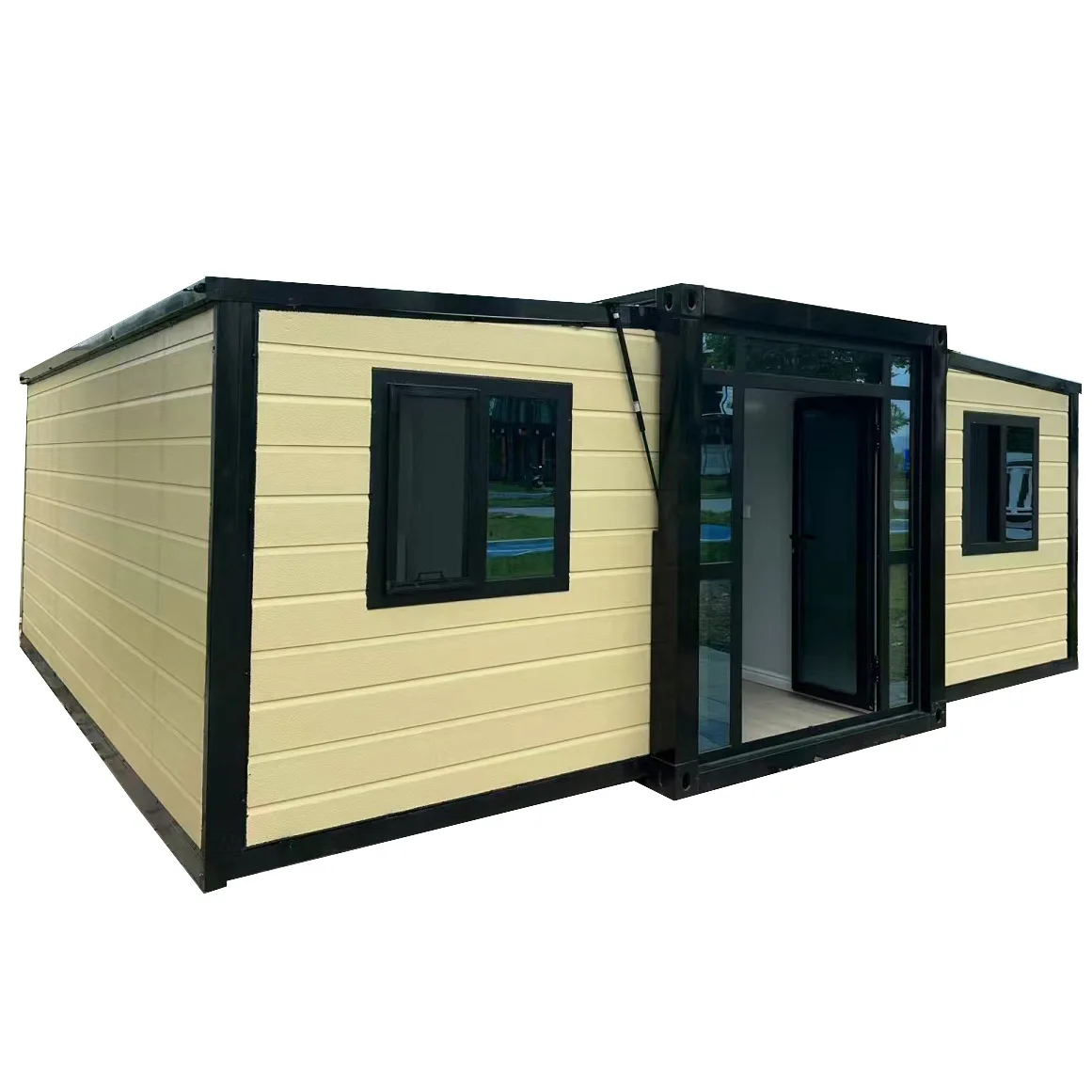
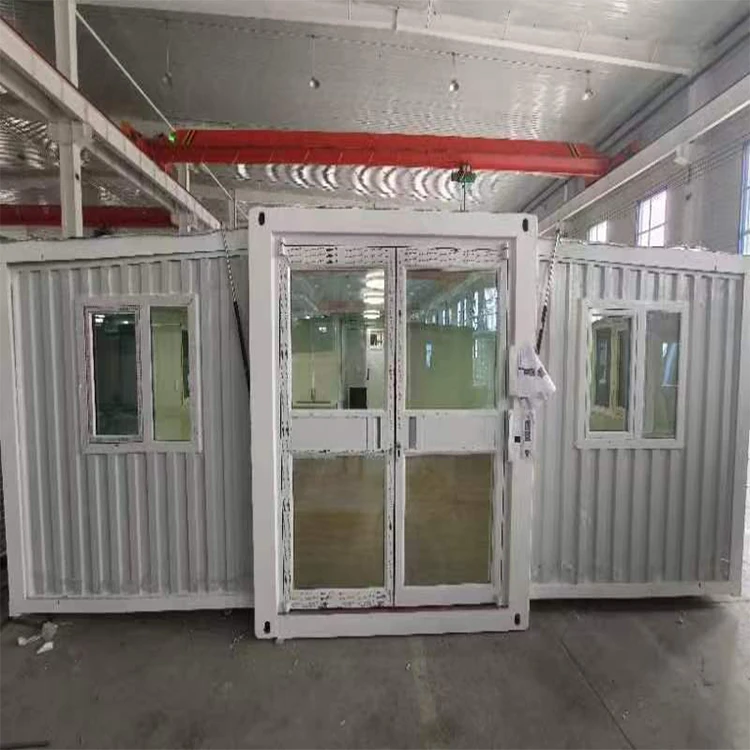
The latest foldable house designs come with special hinges that let rescue teams put up waterproof shelters within just about an hour. This kind of speed matters a lot during emergencies like floods or sudden refugee situations. Traditional buildings take weeks to construct, but these portable homes simply unfold into living areas anyone can assemble without fancy equipment or months of training. According to what we see in the field, setting up these foldable units takes around 70% less manpower than regular prefabricated housing options. That means aid organizations get people sheltered much faster, which often makes all the difference between safety and danger for those caught in crisis situations.
Collapsible designs are changing how we think about shipping: imagine what happens when a regular truck can carry 8 to 10 folded houses instead of only 2 traditional modular units. This cuts down on freight expenses and reduces carbon emissions by around 60%. When these homes are compressed, they take up about one third of their normal size, which means warehouses don't need as much space for storing them before disasters strike. Real world tests show that with this compact storage approach, aid groups can actually fit three times as many shelters into their current storage areas. That makes a huge difference when trying to manage big emergencies that span multiple locations across different parts of the country or even internationally.
When disasters strike and people need shelter fast, foldable houses really shine in terms of getting folks back on their feet quickly. After those big quakes hit Turkey in 2023, these portable homes were ready for families to move into just two days after arrival at the site, which beats regular emergency housing by about 30%. Think about what happened during the massive floods in Pakistan in 2022 too. Millions lost their homes there, but because these shelters pack down so small, rescue teams could actually fly them in via helicopter to areas completely underwater where normal tents simply wouldn't work. The numbers speak for themselves when it comes to how much better these alternatives perform compared to traditional methods.
| Deployment Metric | Foldable House | Traditional Shelter |
|---|---|---|
| Average setup time | <6 hours | 48+ hours |
| Units transported per truck | 8–12 | 1–2 |
| Terrain adaptability | Extreme | Limited |
Field evidence confirms reduced disease transmission in flood-affected communities through elevated flooring and integrated ventilation systems meeting Sphere Humanitarian Standards.
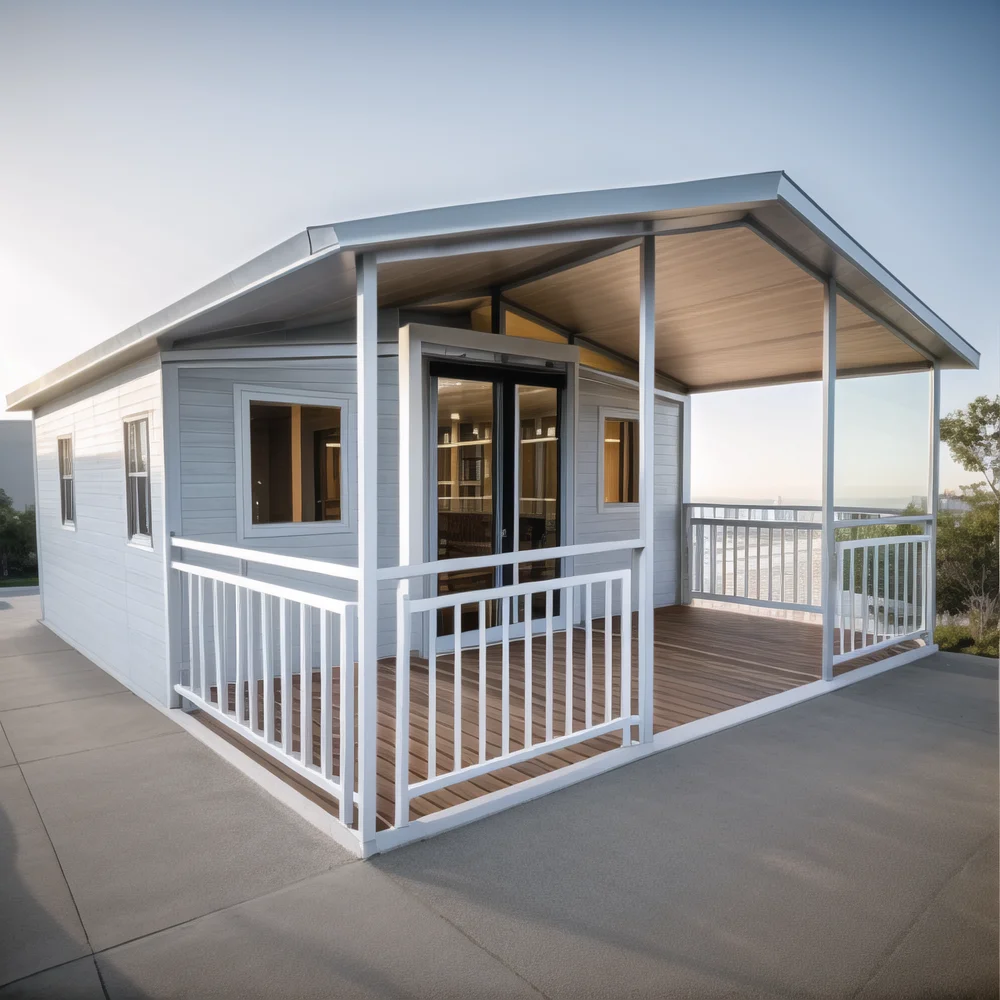
Foldable houses work great for more than just emergencies they fit right into all sorts of temporary situations too. Doctors in parts of Africa have started using these structures as makeshift clinics complete with separate areas for checking patients and sterilizing equipment. The infection rate drops about 19 percent when compared to regular tents according to some studies. People living in refugee camps find the flexible designs really helpful for making both shared spaces and private homes without losing respect for different cultures. At big events like concerts or sports games, organizers can transform these units super fast turning what was storage space last night into places where workers can sleep. They get around 90% better use out of the available space compared to fixed buildings which is pretty impressive considering how quickly everything gets set up.
When it comes to meeting the needs for temporary housing, there are really three main things that need to balance out: making sure buildings are safe structurally, following all the regulations, and getting them built quickly enough. The latest foldable house designs tackle these challenges without having to sacrifice one area for another thanks to smart engineering solutions. These houses have gone through extensive testing to prove they can stand up to harsh weather conditions including winds blowing at speeds around 130 kilometers per hour and earthquakes just as well as regular permanent buildings would handle them. At the same time, makers design their products so they already meet International Building Code requirements and accessibility rules right from the start. This means no extra work or money spent later when trying to retrofit something after construction has begun.
What really improves efficiency is when we have these systems that come together as one package, with all those safety stuff built right into them at the factory level. The interlocking parts work together so well that they basically prevent mistakes during assembly, which cuts down on setup time quite a bit compared to regular temporary shelters maybe around two thirds faster? Not sure about the exact number but definitely noticeable difference. Getting certified by third parties such as ISO 9001 means manufacturers stick to consistent standards throughout production. That helps government agencies move quicker through approval processes when disasters strike. When everything works together properly durable materials meet building codes and gets put up fast these foldable houses become practical solutions for situations where waiting just isn't an option think field hospitals during emergencies or places where refugees need shelter quickly before winter hits.
What are the minimum living space requirements for temporary shelters?
According to the SPHERE Handbook (2018), the minimum covered living space per person is 3.5m² in warm climates and 4.5–5.5m² in cold regions.
How quickly can foldable houses be deployed?
Modern foldable house systems can be set up within about an hour, making them ideal for rapid deployment in emergencies.
Why are foldable houses preferred over traditional emergency shelters?
Foldable houses offer advantages in speed of deployment, portability, and safety, without sacrificing one for another. They also reduce disease transmission risks and are adaptable across different uses.
Can foldable houses withstand harsh weather conditions?
Yes, foldable houses have been tested to withstand extreme weather conditions, including winds of around 130 kilometers per hour and earthquakes.
 Hot News
2026-01-30
2025-12-29
2025-11-27
2025-10-29
2025-09-22
2025-08-27

Discover high-quality container houses and prefab modular structures for modern living. Customizable designs, durable materials, fast delivery. Exported to 140+ countries, ISO certified. Perfect for homes, offices, and more.
No. 8, West Zone, Fucheng County Economic Development Zone, Hengshui City, Hebei Province
Copyright © 2025 by Hebei Qianguang Building Materials Technology Co., Ltd. Privacy Policy

 EN
EN