EN
EN



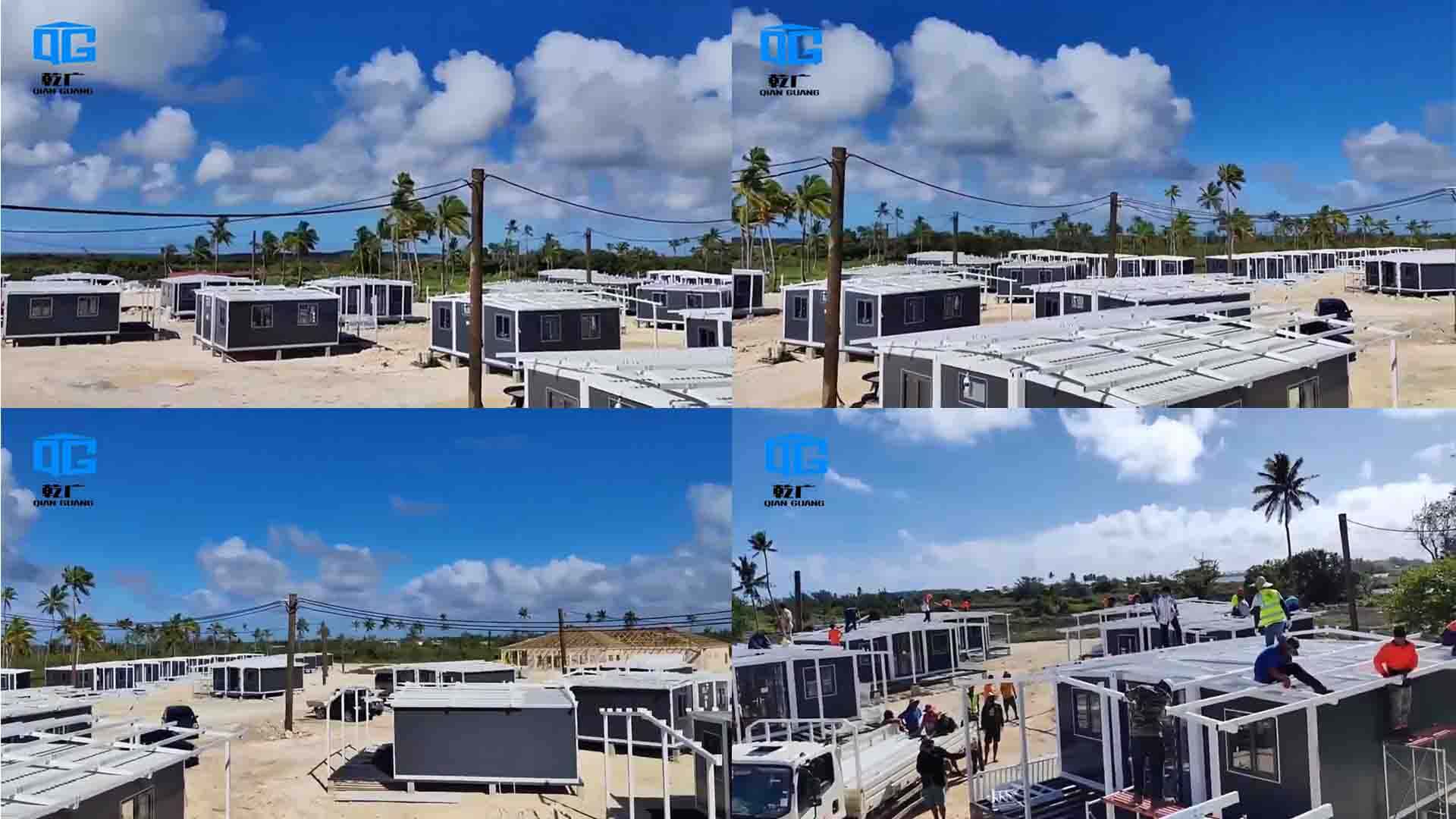
Sustainability and Environmental Benefits of Prefab Homes
Construction Waste Reduction Through Off-Site Manufacturing
Prefab homes significantly reduce construction waste through factory-controlled processes. Traditional construction discards up to 30% of materials on-site due to weather damage, measurement errors, or overordering. In contrast, off-site manufacturing enables precise material cutting, reuse of scraps, and bulk recycling—cutting waste to under 5%.
Resource-Efficient Building Methods Including Bulk Material Purchasing
Factories procure lumber, steel, and insulation in bulk, minimizing packaging waste and transportation trips. One shipment can supply materials for 20+ homes, avoiding the 15–20 truckloads typically needed for conventional builds.
Reduction of Carbon Footprint Through Factory Precision and Transportation Efficiency
A 2023 study found prefab homes emit 40–60% less CO₂ than traditional builds. Factory assembly eliminates redundant machinery use on-site, while optimized logistics reduce fuel consumption. A 2024 analysis of factory precision in modular home production demonstrated a 52% reduction in supply-chain emissions through route optimization and load consolidation.
Use of Sustainable Materials Such as Recycled Steel, Bamboo, and Low-VOC Products
Over 75% of prefab builders now use eco-certified materials:
- Recycled steel (60–100% post-consumer content) replaces concrete foundations.
- Bamboo flooring, renewable three times faster than hardwood, resists warping.
- Low-VOC adhesives improve indoor air quality by reducing formaldehyde exposure.
Evaluating Green Claims: Lifecycle Impact vs. Marketing Hype
While many manufacturers tout “net-zero” designs, true sustainability requires third-party certifications like LEED or Passive House. Some “eco-friendly” prefabs use energy-intensive SIP panels that negate carbon savings. Prioritize builders who disclose full lifecycle assessments (LCAs) and material transparency reports.
Energy Efficiency and Smart Design in Prefab Homes
Superior Insulation and Air-Tightness from Controlled Manufacturing
When it comes to keeping warm in winter and cool in summer, prefab homes generally perform about 30 to 50 percent better than regular construction methods. The reason? Factories can build with much greater accuracy, so there are fewer gaps where cold air gets in and heat escapes through structural elements. Another big plus is how these prefabs handle insulation. They tend to have consistent layers throughout the walls and floors, plus many come standard with triple glazed windows that really seal things up tight. According to some recent research from RESNET back in 2023, this combination cuts down on heat loss by around 60% when compared to houses built on site. What makes this possible is avoiding those little mistakes that happen during on-site construction, like when insulation gets squished between framing members or when joints aren't properly sealed after installation.
Passive Design Features Commonly Built into Prefab Units
Many prefab designs integrate passive solar principles—strategic window placement, sun-shading overhangs, and thermal mass flooring—to optimize natural heating and cooling. According to the Passive House Institute (2023), these features reduce annual temperature regulation energy needs by 40% compared to conventional homes.
Integration of Smart Home Technologies for Energy Savings
Over 75% of new prefab homes include smart energy management systems as standard. These systems analyze occupancy patterns and weather forecasts to automatically adjust HVAC and lighting. For example, smart vents close in unoccupied rooms, cutting heating and cooling demand by 15–20%.
Case Study: Net-Zero Energy Prefab Home in Colorado
A Denver developer completed a 2,200 sq ft prefab home generating 105% of its energy needs via solar panels and geothermal heat pumps. The home maintains indoor temperatures between 65–75°F year-round without grid reliance, achieving a net-positive energy rating within eight months—a milestone rarely reached by stick-built homes.
Cost-Effectiveness and Affordability of Prefab Homes
Lower Construction Costs Due to Factory Economies of Scale
When it comes to cutting initial costs, prefab construction has some real advantages because of standardized methods and buying materials in bulk. According to Shelter Origins from 2024, this approach can actually bring down material costs anywhere between 12 and 18 percent when compared with regular building methods. Workers on prefab sites tend to be more productive too since they don't get held back by bad weather and can focus on doing the same kinds of tasks over and over again. This specialization helps cut project timeframes significantly, sometimes even halving them. Plus there's something else worth noting about factory built components they just simply make fewer mistakes. The amount of wasted materials stays under 5 percent most of the time, while traditional construction sites often end up wasting around 15 percent of what they purchase.
Long-Term Affordability Through Reduced Energy and Maintenance Costs
Factory-built airtight envelopes reduce HVAC loads by 23% on average, saving homeowners $540–$900 annually on energy bills. Durable components like laminated timber frames and corrosion-resistant siding require 40% less maintenance over 25 years. A 2024 lifecycle analysis found total ownership savings of $28,600 compared to site-built homes.
Trend Analysis: Rising Demand in Mid-Income and Affordable Housing Markets
The prefab housing market has grown substantially in recent years, making up around 9% of all new single family homes built across America these days. That's quite a jump from just 3% back in 2018 alone. Take a look at places such as Denver and Nashville where there's been an impressive 22% increase in permits for modular homes each year. What's driving this trend? Middle income families who want something ready to move into without breaking the bank, typically looking for houses priced below three hundred thousand dollars. More builders are turning to what they call volumetric modules when creating mixed income developments too. These special building blocks allow projects to reach residents much quicker compared to regular affordable housing initiatives, cutting down on wait times by anywhere between 18% to 24% according to industry reports.
Faster Build Times and Construction Efficiency
Shorter Timelines with Simultaneous Site and Module Preparation
Projects using prefabricated components typically wrap up anywhere between 30 to 50 percent quicker compared to standard construction methods since the site preparation happens at the same time as building modules are being made. When workers are laying down foundations and setting up utility lines outside, another group is putting together walls, roofing materials, and all sorts of mechanical parts inside climate-controlled factories. The Modular Building Institute released some interesting findings last year showing how this simultaneous approach cuts down on those frustrating delays caused by rainouts or miscoordinated schedules. For places needing temporary shelters after disasters or sudden population spikes, getting buildings erected quickly can make all the difference in providing safe living conditions without waiting months for completion.
How Off-Site Fabrication Enables Up to 50% Faster Completion
Centralized manufacturing reduces rework with automated precision. Laser-guided cutting ensures components like insulation and plumbing stacks fit perfectly during final assembly. Combined with bulk material procurement, this eliminates the 2–3 week waits typical in conventional builds for specialty deliveries.
Case Study: Emergency Housing Deployment in California Wildfire Zones
When the 2020 wildfires forced about 50,000 people from their homes, modular construction companies stepped in fast. They managed to put up around 200 energy efficient houses within just four months, which is roughly 60 percent quicker compared to traditional building techniques. These homes came ready to go with solar panels already installed plus water saving devices built right in, so many families actually moved back into their new places about two months sooner than anyone expected. The speed at which these prefab homes were assembled really highlights what this type of construction can do for communities facing sudden housing crises, all while still being good for the environment in the long run too.
FAQ
What are the sustainability benefits of prefab homes?
Prefab homes significantly reduce construction waste, utilize resource-efficient building methods, and decrease carbon footprint through precise factory manufacturing and transportation efficiencies. They also incorporate sustainable materials like recycled steel and bamboo.
How do prefab homes contribute to energy efficiency?
Prefab homes offer superior insulation and air-tightness, often integrating passive solar design features and smart home technologies that contribute to significant energy savings.
Are prefab homes cost-effective?
Yes, prefab homes can lower construction costs due to factory economies of scale and also offer long-term affordability by reducing energy and maintenance costs.
How quickly can prefab homes be built?
Prefab homes can be completed 30 to 50 percent faster than traditional homes due to simultaneous site and module preparation, along with efficient off-site fabrication processes.
Are prefab homes durable?
Yes, prefab homes are durable, with structures capable of enduring extreme weather conditions and maintaining integrity for over 60 years due to factory-controlled quality.
Table of Contents
-
Sustainability and Environmental Benefits of Prefab Homes
- Construction Waste Reduction Through Off-Site Manufacturing
- Resource-Efficient Building Methods Including Bulk Material Purchasing
- Reduction of Carbon Footprint Through Factory Precision and Transportation Efficiency
- Use of Sustainable Materials Such as Recycled Steel, Bamboo, and Low-VOC Products
- Evaluating Green Claims: Lifecycle Impact vs. Marketing Hype
- Energy Efficiency and Smart Design in Prefab Homes
- Cost-Effectiveness and Affordability of Prefab Homes
- Lower Construction Costs Due to Factory Economies of Scale
- Long-Term Affordability Through Reduced Energy and Maintenance Costs
- Trend Analysis: Rising Demand in Mid-Income and Affordable Housing Markets
- Faster Build Times and Construction Efficiency
- Shorter Timelines with Simultaneous Site and Module Preparation
- How Off-Site Fabrication Enables Up to 50% Faster Completion
- Case Study: Emergency Housing Deployment in California Wildfire Zones
- FAQ