EN
EN



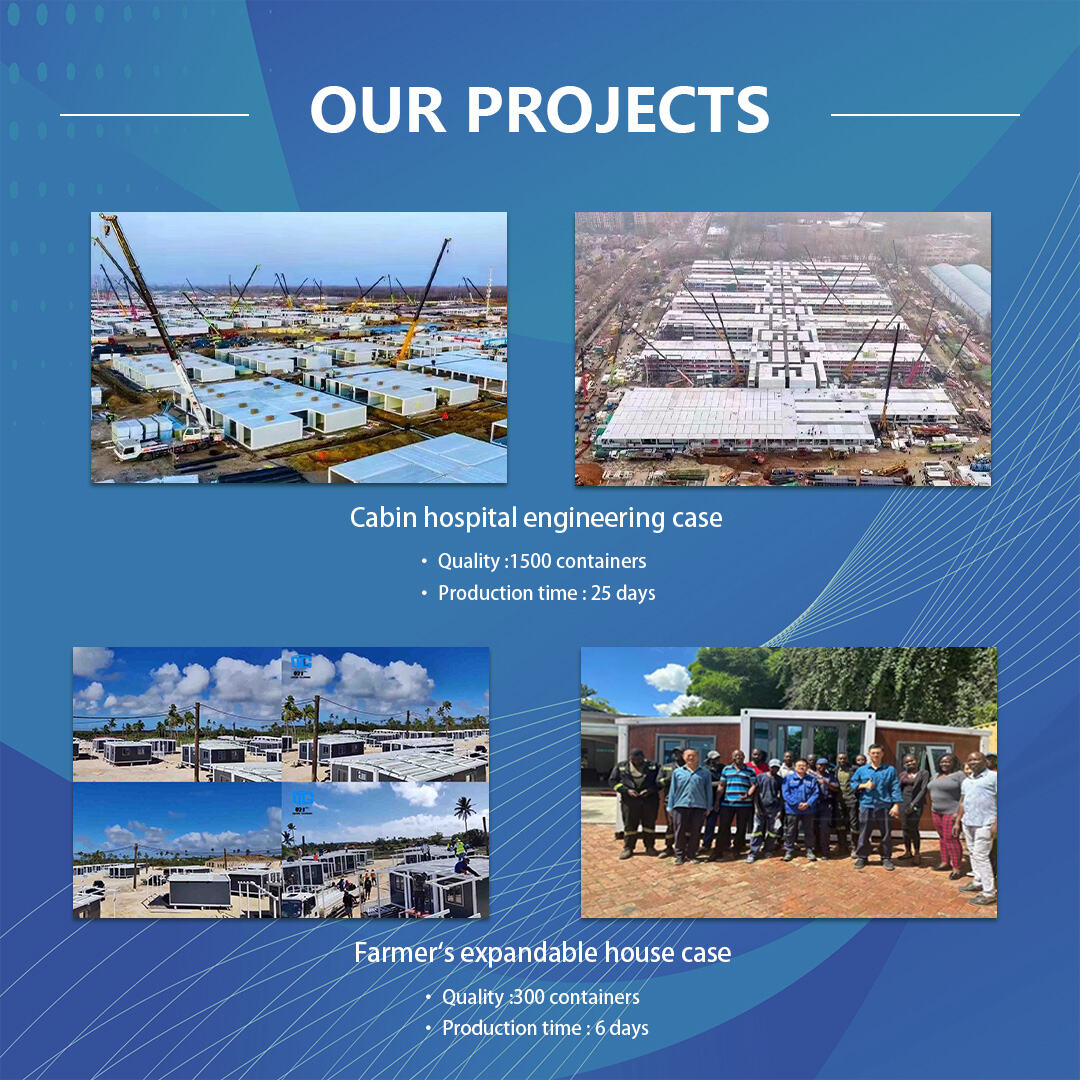
Why Portable Houses Excel in Rapid Emergency Deployment
Bridging the Time-to-Shelter Gap: Real-World Failures and Urgent Needs
Regular emergency shelters like tents and tarps often don't hold up when weather gets really bad, putting people who have lost their homes at risk for illness and making it take longer for things to get back to normal. That's where portable housing comes in handy, filling a real need by getting shelters set up quickly and reliably. According to industry reports from last year's disaster relief audit, these modular units can be assembled 40 to 50 percent faster than traditional options, sometimes ready for living inside just 12 hours after arrival on site. The buildings themselves are built tough enough to move around multiple times, and come with special features designed for different climates. Think insulation against cold nights and frames strong enough to withstand storms. These characteristics mean they work well even in places with extreme heat, heavy winds, or earthquake-prone areas. No wonder organizations worldwide see them as ideal solutions for that crucial first 72 hour period after disasters strike.
Key Portability Metrics That Determine Rescue Viability
Three interdependent metrics define operational readiness in real-world emergencies:
- Weight-to-space ratio: Units under 3,000 kg enable air transport to inaccessible regions—critical for island or mountainous deployments.
- Assembly speed: Sub-2-hour deployment allows shelters to be operational before nightfall on Day One, reducing exposure and enabling early triage.
- Relocation endurance: Per the 2023 Field Resilience Study, 80% of certified portable houses retain full functionality after three or more relocations—supporting phased resettlement without replacement costs.
Case Study: Turkey's 2023 Earthquake - 12,000 Portable Houses Deployed in 72 Hours
In the immediate aftermath of the February 2023 earthquakes, portable housing became the backbone of humanitarian logistics. Over 12,000 units were delivered and made habitable within 72 hours—a scale previously unattainable with traditional shelters. The operation demonstrated decisive advantages:
| Metric | Traditional Shelters | Portable Houses |
|---|---|---|
| Deployment rate | 100 units/day | 4,000 units/day |
| Occupancy start | 5–7 days | <12 hours |
These units provided insulated, lockable, and weatherproof accommodation during sub-zero conditions—directly supporting 54,000 displaced people (UNHCR, 2023). Crucially, their standardized footprint enabled coordinated site planning, utility hookups, and security perimeters—elements often fragmented in ad-hoc tent camps.
Functional Fit: Matching Portable House Configurations to Critical Emergency Use Cases
Displaced Family Shelter vs. Mobile Medical Units: Design and Utility Trade-offs
Portable housing isn't some generic box thrown together for anyone who needs it—it gets built with specific needs in mind. When families find themselves displaced due to disasters or conflicts, their temporary homes need to function like real residences. These shelters come with multiple rooms so people can actually live normally, thick insulation to keep them comfortable in all weather conditions, built-in water tanks so they don't have to rely on outside sources, and interiors made to last through rough times while maintaining a sense of personal space and respect. On the other hand, when we talk about mobile medical facilities, the priorities shift completely toward making sure patients get proper care. Think surfaces that won't harbor germs, backup generators so critical machines never stop working, doorways wide enough for wheelchairs and stretchers, plus separate areas where doctors can assess injuries, treat wounds, or isolate contagious cases. Both types save time compared to building something from scratch on site—about 40% faster according to field reports—but what goes into powering these units tells a different story. Medical versions need way more electricity, usually around 30 to 45 kilowatts worth, which means special generators and fuel supplies. And let's face it, hospitals on wheels must follow strict rules about keeping infections at bay, affecting everything from air filters to how waste gets handled and disposed of properly.
Command Centers and Field Hospitals: Infrastructure Requirements for Operational Readiness
When setting up emergency command centers and field hospitals, basic shelter isn't enough. These facilities need critical infrastructure built right into their very framework. For command centers, there's a whole bunch of stuff that needs integration: electromagnetic shielding to block interference, satellite uplinks that work on two different bands, servers kept at just the right temperature, plus backup communication systems. All this gear runs constantly, pulling between 15 to 25 kilowatts. Field hospitals take things even further. They require special isolation areas where air pressure keeps contaminants contained, medical gas lines throughout, heated floors in sterile sections to maintain proper temperatures, and soundproofing so patients can talk privately without being overheard. The designs have to meet certain standards too, like ISO 22322 for security against societal threats and FEMA guidelines about protecting against flying debris during storms. But just meeting those paper requirements doesn't cut it unless everything gets tested before deployment actually happens. Getting ready for operations depends on three absolute essentials:
- Power resilience: Minimum 72-hour battery autonomy with seamless generator switchover
- Thermal management: HVAC systems maintaining stable 18–24°C across −20°C to +45°C ambient ranges
- Expandability: Interlocking architecture allowing 200% floor space growth within 4 hours using identical unit types
Field data shows 92% of failed high-complexity deployments stem from insufficient power redundancy or inadequate ventilation testing—not structural failure (Disaster Response Journal, 2023).
Regulatory Compliance, Scalability, and Practical Limitations of Portable Houses
Aligning with ISO 22322, UNHCR, and FEMA Standards - Where Portable Houses Succeed or Fall Short
Portable housing solutions often beat the deployment speed targets outlined in both the UNHCR Emergency Shelter Handbook and FEMA's 72 hour rule for emergency response. Because these homes are built in factories as modular units, their quality can be tracked from production line to final installation, meeting consistent standards for transportation, safety, and basic living conditions. Still, there's no real consistency across regions when it comes to regulations. The ISO 22322 standard covers things like maintaining essential functions during crises and how different groups should work together, but it doesn't actually specify what makes a good shelter. That leaves the details to local building codes, which create problems for portable homes. Most areas require certain minimum space sizes, specific exit requirements, and classify these structures as temporary, limiting them to just 6 to 12 months of use even if they're perfectly safe otherwise. To get around this, manufacturers keep improving their products with stronger bases, better fire protection materials, and more comprehensive electrical systems. But since rules vary so much between jurisdictions, companies need to check compliance individually for each project instead of assuming one size fits all.
Thermal Safety, Durability, and Habitability: Addressing Common Criticisms Head-On
People still worry about how well these units handle heat, last over time, and affect indoor comfort, but those worries don't really apply anymore to today's certified models. The triple wall system with aerogel and vacuum insulation packs an impressive R-30 rating or better, which beats what most standard wooden houses can offer. Steel frames built to withstand earthquakes and anchoring systems tested against hurricanes easily pass the latest building codes from 2021. Inside, things get comfortable too. Heat recovery ventilation systems work alongside breathable moisture barriers and paints that don't release harmful chemicals, keeping the air inside clean according to World Health Organization standards even after people live there for months on end. As long as installers follow the manufacturer guidelines and do regular checks, these structures typically last between five to seven years while meeting all local regulations. We've seen this work in real situations too: temporary housing for refugees in Jordan, emergency shelters after floods in Pakistan, and communities rebuilding after wildfires in California.
FAQ
What are portable houses?
Portable houses are modular housing units designed to be easily moved and quickly assembled on-site in emergency response scenarios, providing rapid shelter solutions for displaced individuals.
How quickly can portable houses be deployed?
Portable houses can be assembled 40 to 50 percent faster than traditional options, sometimes ready for habitation just 12 hours after arrival on site.
What are the critical metrics for portable shelter viability?
The viability of portable shelters is determined by three key metrics: weight-to-space ratio, assembly speed, and relocation endurance.
How do portable houses withstand extreme weather conditions?
Portable houses are designed with features such as insulation against cold and frames capable of withstanding strong storms, enabling them to remain effective in extreme weather conditions.
Why are regulations a challenge for portable houses?
Regulatory requirements vary across regions, affecting the deployment and classification of portable houses as temporary structures, which can limit their usage duration.