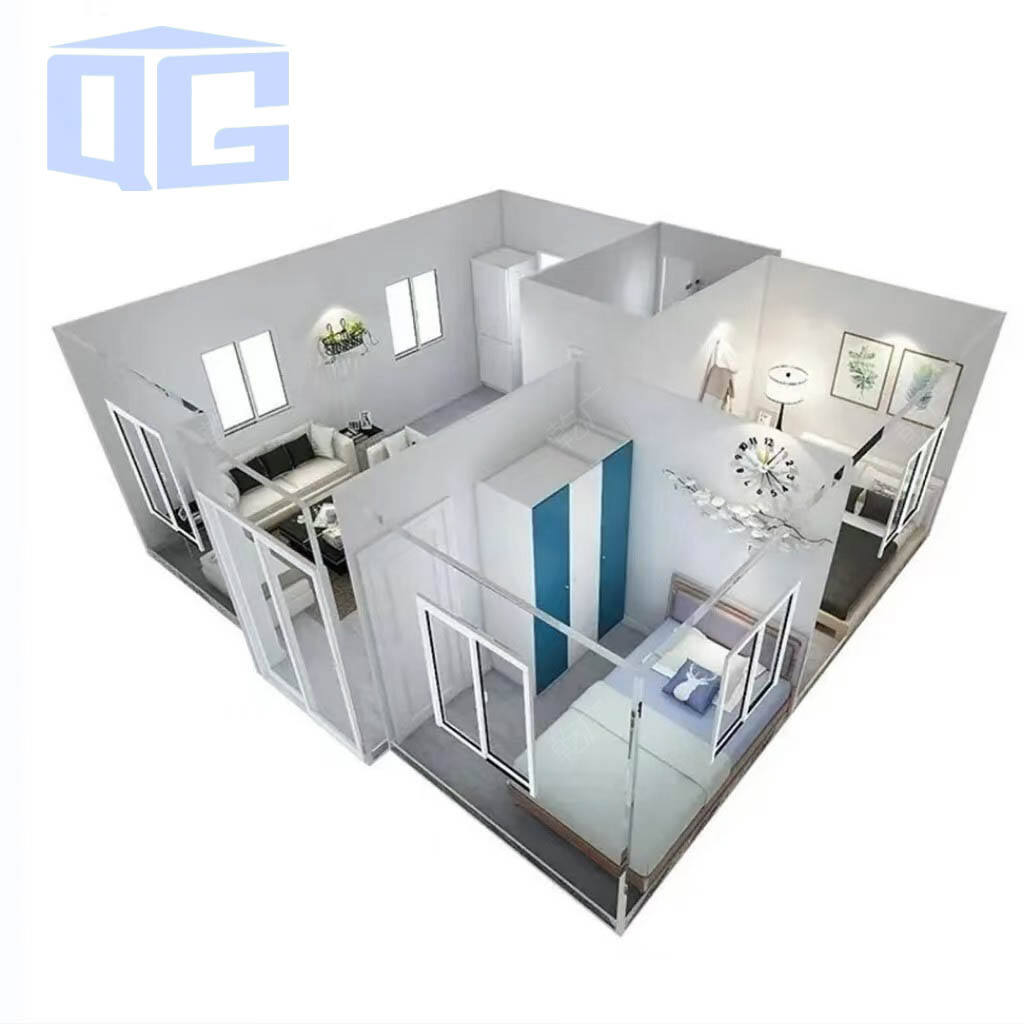
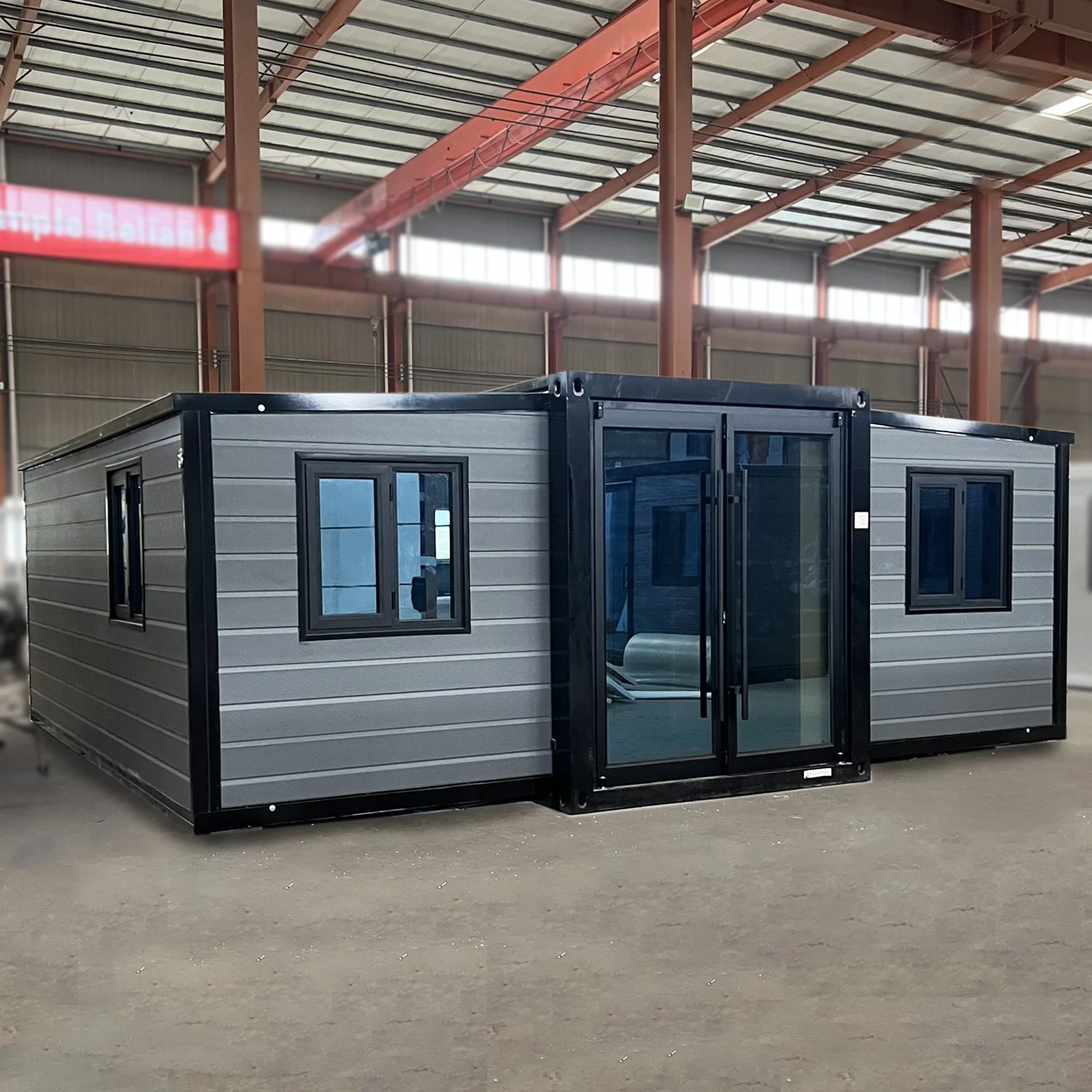
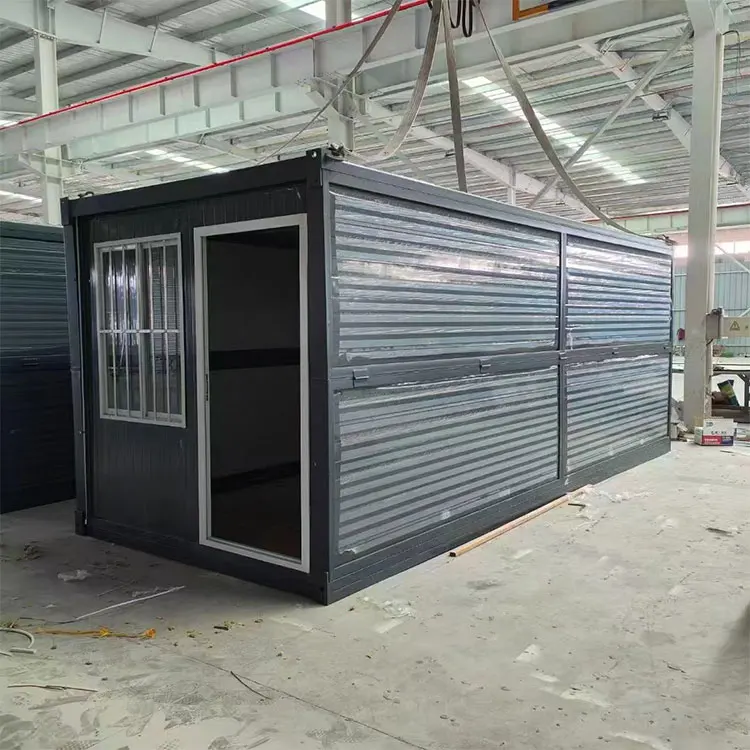
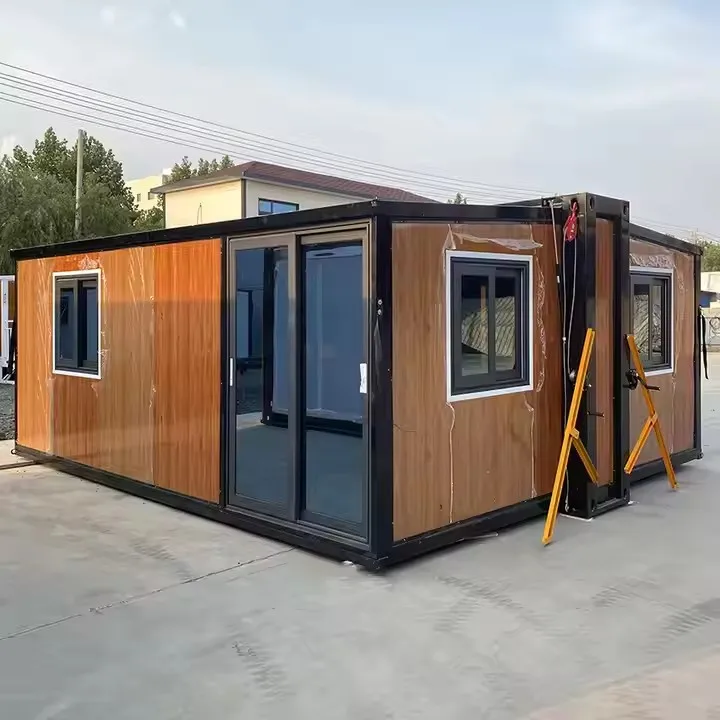
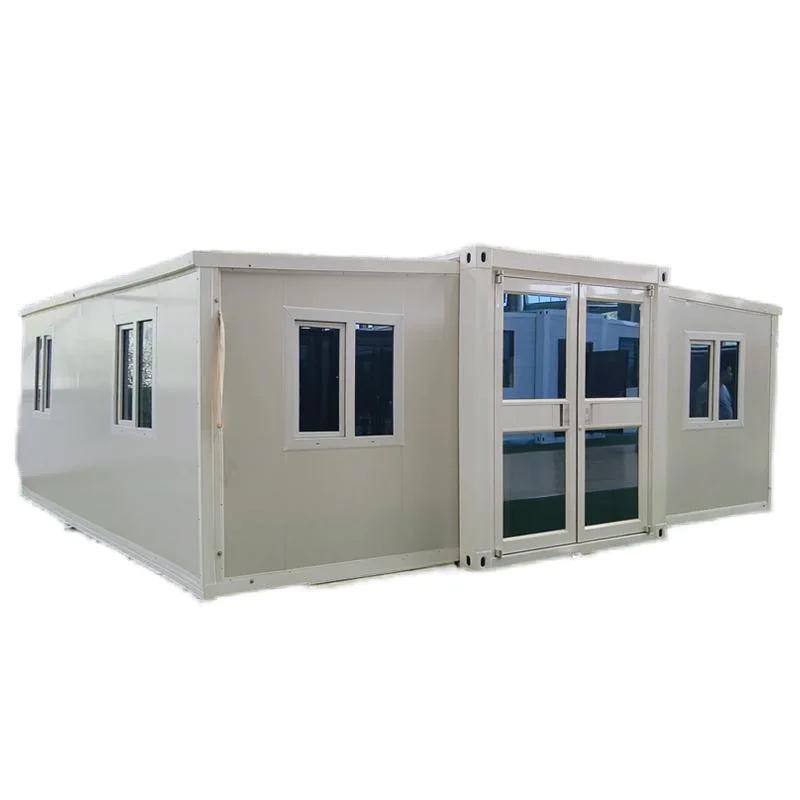
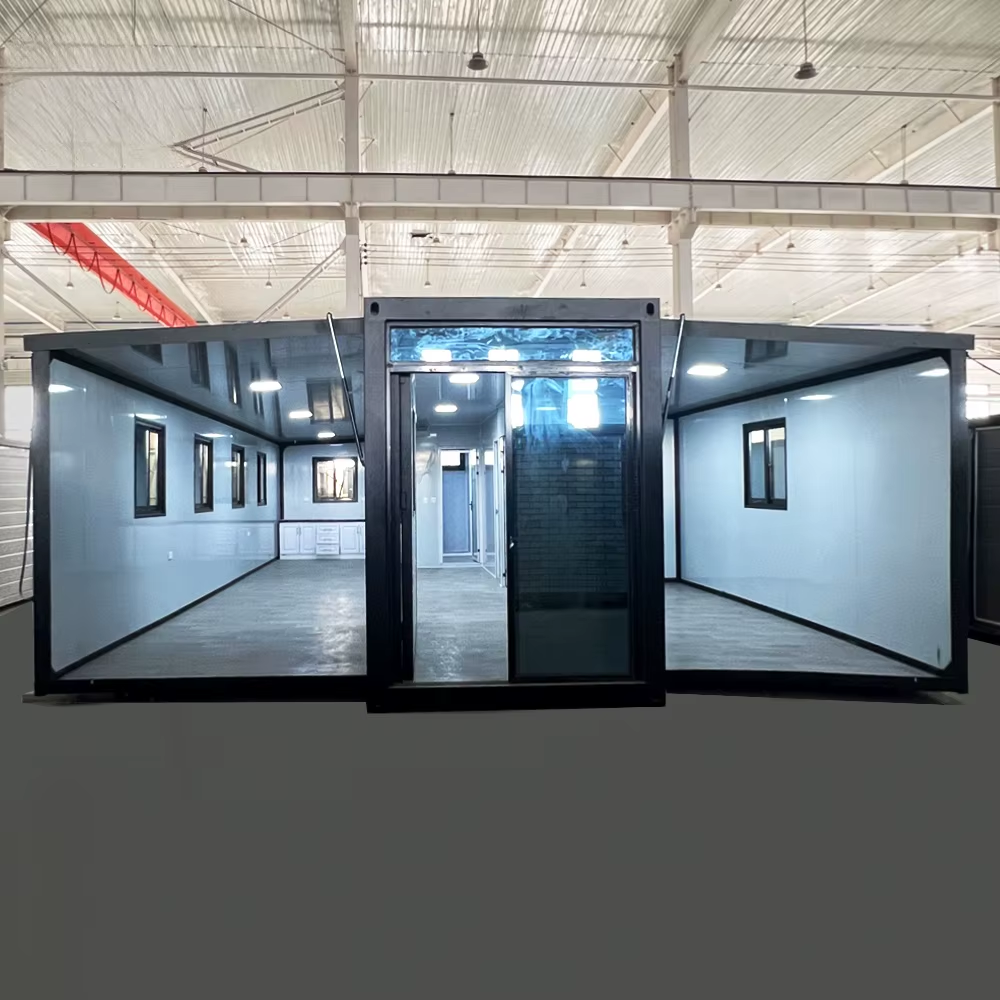
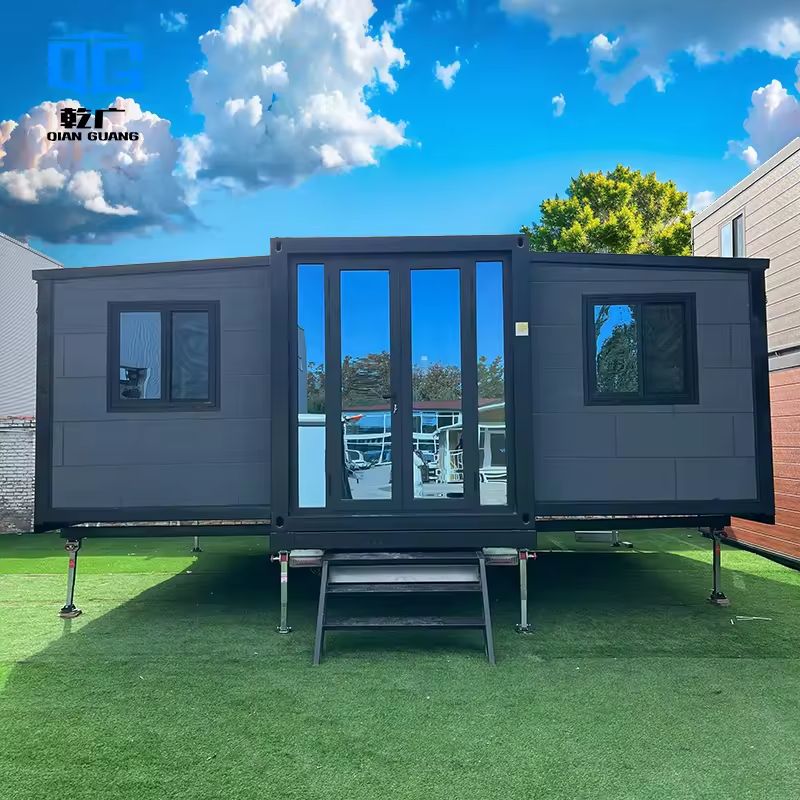
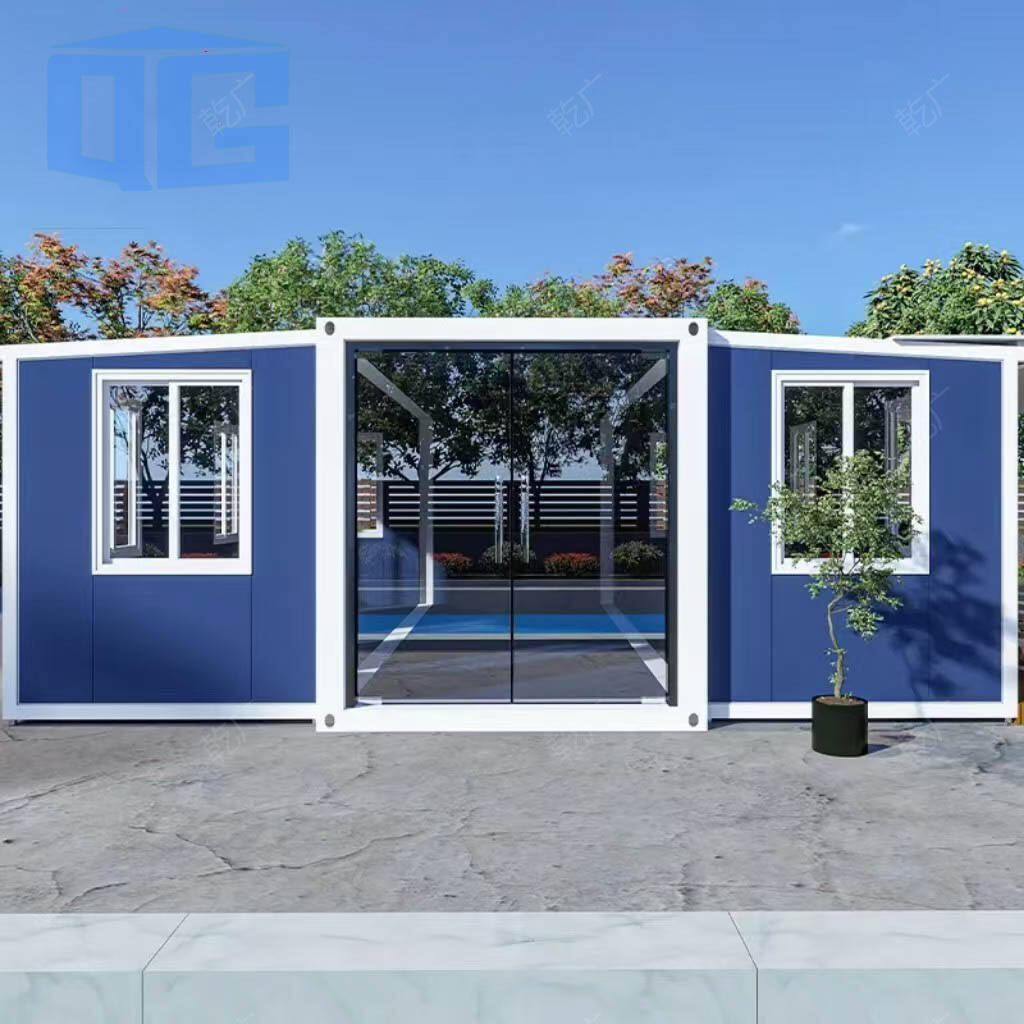
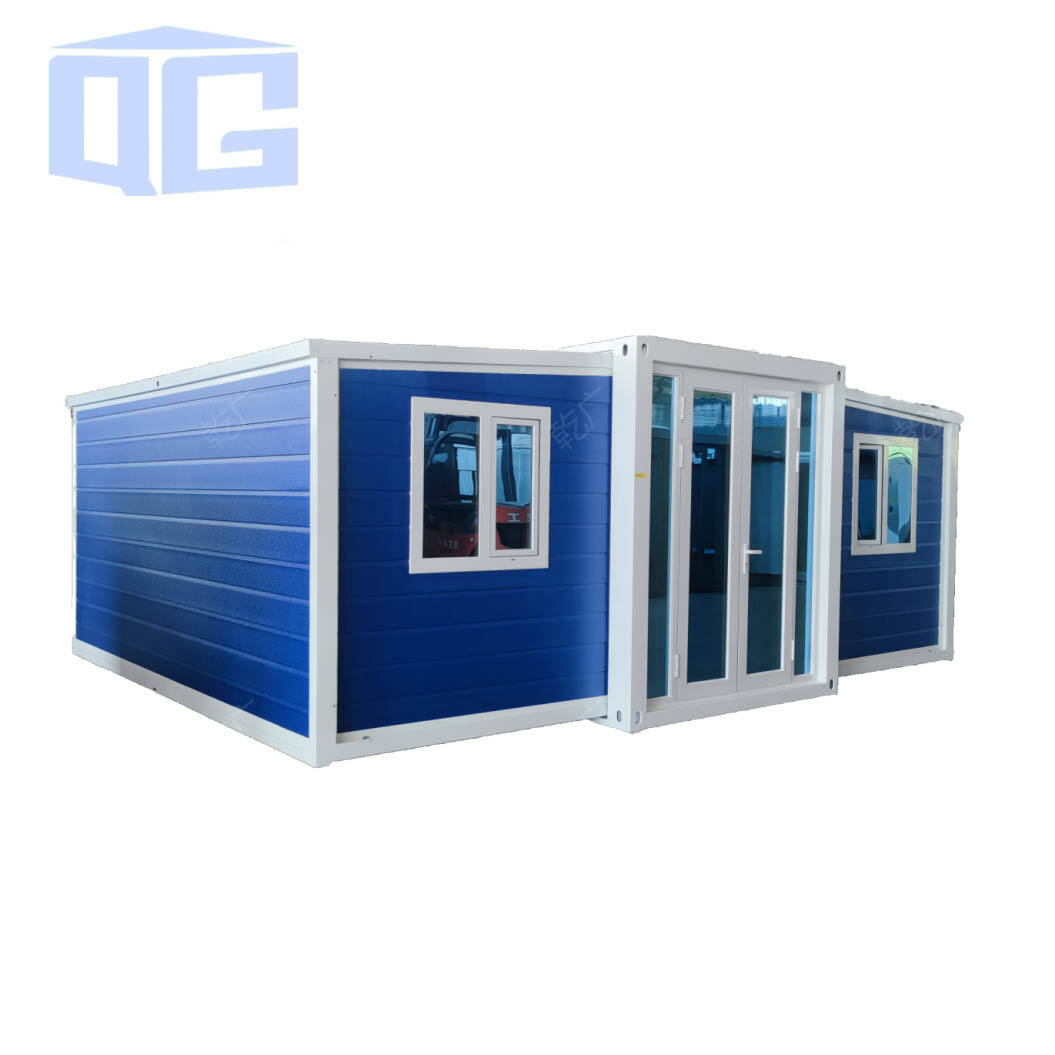
The modern demand for housing extends beyond shelter to include immediate functionality and quality of life. For developers, governments, and businesses worldwide, prefab houses with kitchens represent a paradigm shift—delivering not just spaces, but fully operational homes from the first day. This text explores the technical, practical, and economic rationale behind choosing QG Building’s integrated kitchen solutions within our prefabricated modular ecosystem.
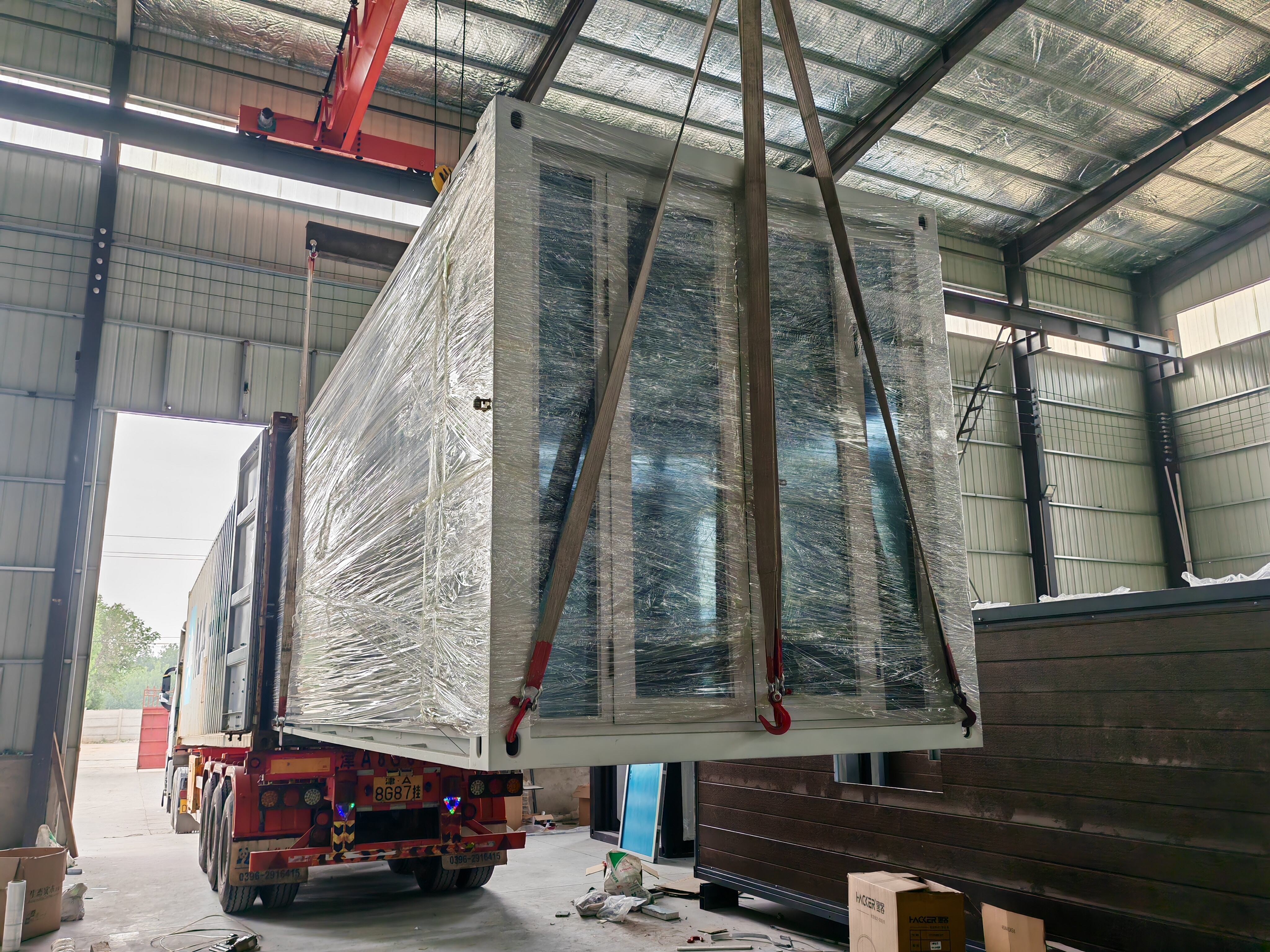
The core innovation lies in the precision of factory integration. In a traditional build, the kitchen is typically one of the last and most complex elements to be installed, coordinating multiple trades—carpenters, plumbers, electricians, and tilers—often leading to delays, cost overruns, and quality inconsistencies. Our approach re-engineers this process. The kitchen is designed as an intrinsic component of the living module from the initial CAD stage. During fabrication, walls are erected with pre-run conduit for electrical outlets and switchgear specifically located for appliances and lighting. Plumbing lines for sinks and potential dishwashers are installed within the module's floor or wall cavities. Cabinetry is securely anchored to the structural frame, and countertops are fitted with millimeter precision. This front-loaded integration ensures that every system is perfectly aligned, tested, and inspected under controlled conditions before the module is sealed for shipping.
From a material and sustainability perspective, this methodology offers profound advantages. The controlled factory environment drastically reduces material waste—a significant issue in traditional kitchen installation where cutting and fitting generate substantial off-cuts. We utilize modern, environmentally-friendly materials specified for durability and low maintenance, such as VOC-free cabinets, quartz or solid-surface countertops, and water-efficient faucets. Furthermore, the energy efficiency of the home is enhanced because the building envelope, including the kitchen's exterior walls, is completed in the factory with continuous, high-performance insulation, eliminating thermal bridges often created by poor on-site workmanship. This results in a kitchen that is not only beautiful and functional but also contributes to lower utility bills and a reduced environmental footprint.
The global applicability and scalability of prefab houses with kitchens solve critical logistical challenges. For projects in remote mining camps, disaster-relief zones, or emerging tourism markets, the ability to deploy a fully-equipped living unit is invaluable. Our kitchens can be customized to suit regional culinary practices—incorporating larger refrigeration units, specific ventilation needs, or layout preferences common to certain cultures. This cultural sensitivity, combined with our experience delivering to diverse climates, means a kitchen destined for a desert climate will have appropriate ventilation, while one for a cold region will prioritize thermal efficiency. The scalability is seamless; identical, high-quality kitchen modules can be replicated across hundreds of units in a worker housing complex or a residential subdivision, ensuring consistent standards and dramatically simplifying supply chain and inventory management.
Ultimately, the value proposition is rooted in risk reduction and speed-to-occupancy. By providing a turnkey solution with an integrated kitchen, we absorb and manage the complexities of construction, allowing our clients to focus on their core business or community objectives. The predictability in cost, timeline, and quality outcome is unparalleled. Clients receive a tangible asset—a complete home—that can immediately serve its purpose, whether that is housing a family, accommodating staff, or hosting guests. In a world where time, cost certainty, and quality are paramount, prefab houses with ready-to-use kitchens from QG Building offer a smarter, more reliable, and future-ready path to creating warm, functional homes anywhere on the globe.

 EN
EN