EN
EN



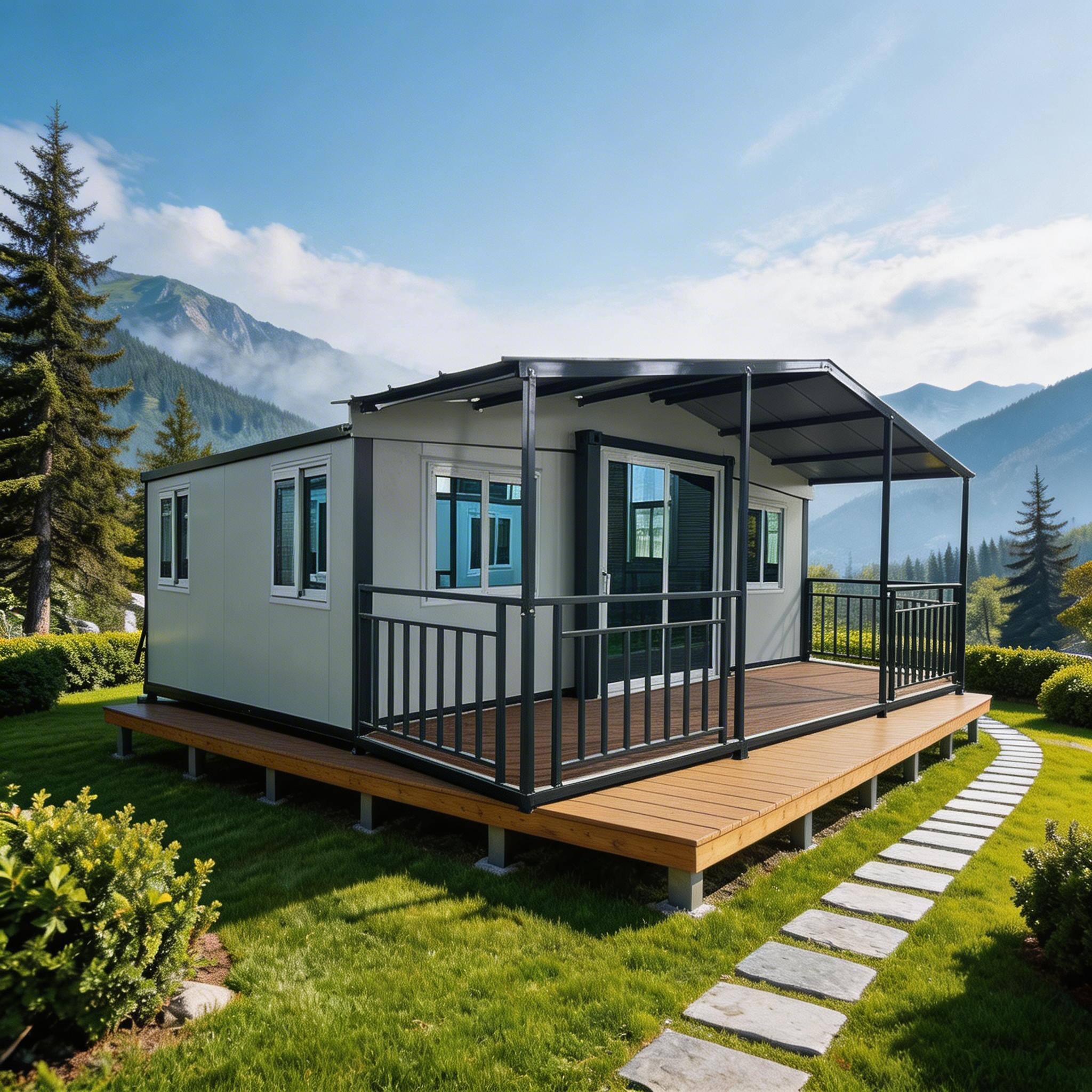
Skalerbar modulær infrastruktur for mega-prosjekter
Rask utplassering av containerleirer med flere enheter
Containerboligleirer bygget fra ferdigproduserte deler kan gjøre områdene klare på bare noen uker i stedet for måneder, siden de ankommer nesten fullstendig monterte fra fabrikkene. Å bygge utenfor stedet betyr ingen ventetid på grunn av dårlig vær, noe som er spesielt viktig ved opprettelse av midlertidig bolig for over 300 arbeidere på byggeplasser. Konstruksjonseffektivitetsinstituttet fant i fjor at grunnarbeid utført samtidig med levering av ferdigproduserte deler reduserer prosjektets tidsramme med omtrent to tredjedeler. Hva gjør disse containere så nyttige? Deres standardiserte tilkoblinger gjør at hver enhet kan tas i bruk allerede 48 timer etter ankomst til stedet. Denne korte oppsettstiden forklarer hvorfor bedrifter velger dem for eksempel til avsidesliggende gruvedrift eller nødhjem etter katastrofer, der hver time teller.
Lineær skalerbarhet uten kompromisser når det gjelder design eller integrasjon
Containerhjem fungerer faktisk svært godt når det gjelder utvidelse rett utover, på grunn av hvordan de stabler seg og låses på plass, slik at alt forblir strukturelt solidt uansett hvor stort prosjektet blir. Tradisjonelle bygninger ville helt sikkert falle fra hverandre hvis noen prøvde å legge til 50 eller flere enheter, men ikke disse containerne. De spesielle hjørnedelene håndterer vektfordelingen korrekt på hvilken som helst undergrunn de står på, og de brannsikre veggene mellom enhetene oppfyller også alle sikkerhetsstandarder. Hva som gjør denne fremgangsmåten så smart for utviklere er den budsjettmessige fleksibiliteten den tilbyr. Start smått med kanskje bare 10 containere gruppert sammen, og utvid gradvis til noe stort som 200 enheter senere. Den beste delen? De samme leverandørene leverer materialer for begge størrelsene, og samme team installerer alt uten behov for ekstra opplæring. Det er heller ingen grunn til å bytte leverandører på midten av veien, noe som sparer penger og unngår hodepine på sikt.
Case Study: Crossrail-fase 2 – 42-enheters containerby levert på 11 uker
Crossrail-prosjektet i London klarte å sette sammen en 42-enheters administrativ by på bare 77 dager, noe som er omtrent 60 prosent raskere enn det vi vanligvis ser med tradisjonelle byggemetoder. De bygde dette området ved hjelp av såkalte BIM-koordinerte tekniske korridorer inne i gulvene selv. Denne oppsettet tillot praktiske «plug-and-play»-tilkoblinger for strøm- og varmesystemer, noe som reduserte mengden arbeid på stedet med omtrent 1200 manntimer. Det som gjør dette spesielt interessant, er at da de måtte utvide byen med 14 prosent halvveis gjennom prosjektet, kunne de enkelt legge til disse forutmonterte modulene på helgene uten å måtte stanse andre aktiviteter. Dette viser hvor fleksibel modulær infrastruktur kan være ved store prosjekter der kravene endrer seg underveis.
Midlertidig bolig og byggeplasskontorer via containerhus
Akselerert mobilisering: Hvorfor 68 % av kontraktører i første tier velger løsninger basert på containere til boliger
Rundt 68 % av kontraktører i første tier benytter i dag containere til boliger for sine behov knyttet til midlertidige anlegg, fordi de ønsker raskere oppsettstider, bedre fleksibilitet og strengere kostnadskontroll, ifølge data fra Construction Efficiency Institute fra i fjor. Disse ferdigproduserte enhetene kan tas i bruk allerede to dager etter at de har ankommet byggeplassen – en betydelig forbedring sammenlignet med vanlige byggekontorer, som tar uker å sette opp. Den raske utplasseringen betyr mindre tapt tid med venting når arbeidere trenger et sted å bo eller når arbeidet står i kø. Når ulike faser av et prosjekt kommer i gang, kan containere enkelt flyttes rundt eller justeres etter behov, i stedet for å rive ned alt og starte på nytt – noe som gjør at bedrifter sparer penger som ellers ville gått til å bygge på nytt fra bunnen av.
Fordeler med fabrikksmontering utenfor byggeplassen: Værresistens og 40 % reduksjon i arbeidskraft
Fabrikkbygde containermoduler sikrer konsekvent kvalitet gjennom klimakontrollert produksjon, noe som reduserer værrelaterte forsinkelser med 63 % sammenlignet med bygging på stedet (Modular Building Institute 2024). Sentralisering av spesialiserte faggrupper i effektive produksjonslinjer reduserer behovet for arbeidskraft på byggeplassen med 40 %.
| Fordelen med prefabrikasjon | Påvirkning |
|---|---|
| Produksjon uavhengig av værforhold | Eliminerer gjennomsnittlig årlig forsinkelse på 15–20 dager |
| Konsentrert arbeidsflyt | 40 % færre arbeidere på byggeplassen kreves |
| Standardisert kvalitetskontroll | Feilfrekvensen redusert til ≤2 % |
Integrerte elektriske og rørledningssystemer monteres under fabrikasjonen, noe som akselererer igangsettingen. Strukturelle forsterkninger – inkludert forsterkede gulv og momentrammer – muliggjør umiddelbar innflytting ved plassering, og unngår dermed tradisjonell ferdigstilling. Dette transformerer midlertidige anlegg fra logistiske flaskehalser til strategiske drivkrefter.
Ingeniørvirksomhet, etterlevelse og langsiktig levedyktighet av containerhusstrukturer
Tilpasninger for høyhus: Konstruerte stablessystemer for containerhushusbygging på 6+ etasjer
Containerhus-systemer i dag kan faktisk vokse vertikalt takket være spesielt tilpassede hjørnedeler og sterke forsterkninger mot jordskjelv. De fleste av disse strukturene er bygget for å tåle et trykk på mellom 300 og 400 kilopascal, noe som betyr at de kan stå opp til seks etasjer høye eller mer, samtidig som bevegelsen mellom etasjene holdes under 0,1 prosent. Måten disse bygningene fungerer på er også ganske smart. De bruker kryssforsterkninger sammen med forsterkede gulv for å spre både det nedadgående tyngdekraften og eventuelle sidekrefter som kan oppstå fra vind eller skjelving. Dette er svært viktig når man bygger noe høyt og pakket med containere. Ledende selskaper innen dette feltet inkluderer faktisk all sin strukturelle beregningsarbeid direkte i produksjonen av hver modul før den sendes ut. Denne fremgangsmåten reduserer behovet for endringer etter at materialene har ankommet byggeplassen og sikrer at alt oppfyller byggeregler fra første øyeblikk – uten unødvendig ekstra arbeid senere.
Kode etterlevelse: Oppfyller IBC 2021 og ISO 10855-2 gjennom strukturell forsterkning
Containerhjem krever spesifikke strukturelle oppgraderinger for å oppfylle IBC 2021-standardene og ISO 10855-2-kravene hvis de skal håndtere lokale værforhold på riktig måte. De viktigste forsterkningene omfatter vanligvis sveising av momentrammer på plass og forsterkning av hjørnestolpene slik at de kan tåle vindkrefter, jordskjelv og kraftig snølast i ulike regioner. Dør- og vindusåpninger er ikke tilfeldige skjæringer; ingeniører designer dem nøye for å bevare byggets generelle styrkefordeling. For brannbeskyttelse integrerer produsenter elementer som røykbarrierer mellom seksjoner, installerer egnet brannstopp ved tilkoblinger og bruker materialer som begrenser flammens utbredelseshastighet. Alt dette kontrolleres av uavhengige inspektører under fabrikksproduksjonsfasen. Strukturer som bygges i henhold til disse retningslinjene varer typisk rundt 50 år med regelmessig vedlikehold, noe som viser at containerhjem ikke bare er hurtige løsninger, men alvorlige investeringer som presterer godt over tid.
Strategiske fordeler med containerhus gjennom prosjektlivssykluser
Containerhus gir reell verdi til prosjekter i alle faser. Når arkitekter begynner å tegne planer, betyr den modulære karakteren at de kan eksperimentere raskt med design uten å bruke ekstra penger på endringer eller utsette tidplanene. Byggingen av disse strukturene går også raskere, siden de fleste delene kommer ferdigprodusert fra fabrikker. Mindre tid brukt på byggeplassen betyr at arbeidere ikke står og venter på at regnet skal slutte eller må håndtere forsinkelser på grunn av dårlig vær. Etter at byggingen er ferdig, holder vedlikeholdsutgiftene seg lave, mens energiregningsutgiftene reduseres takket være bedre isoleringsegenskaper. Rommene innendørs kan også endre form etter behov – bare omorganiser vegger eller bytt ut hele seksjoner. Og når et prosjekt når sitt sluttstadium, demonteres containerne ofte ikke, men flyttes til en annen plass, omgjøres til noe annet eller tas i bruk på nytt andre steder. Denne fleksibiliteten utvider levetiden til bygningene før de må erstattes, noe som reduserer både avfall og karbonutslipp totalt sett. Containerboliger er ikke noen midlertidig løsning; de representerer en intelligent tilnærming til infrastruktur som fungerer godt både økonomisk og miljømessig gjennom hele bygningens levetid.
Ofte stilte spørsmål
Hva er hovedfordelen med å bruke containerehus for store prosjekter?
Hovedfordelen med å bruke containerehus er deres evne til rask distribusjon og fleksibilitet når det gjelder skalering, noe som tillater rask oppsett og endringer for å møte endrende prosjektkrav.
Hvordan sikrer containerehus etterlevelse av byggeregler?
Containerehus inkluderer teknisk beregnede strukturelle forsterkninger for å oppfylle IBC 2021-standardene og ISO 10855-2-kravene, og sikrer dermed at de tåler lokale værforhold og oppfyller reglene for brannsikkerhet.
Er containerehus bærekraftige på lang sikt?
Ja, containerehus er designet for langsiktig levedyktighet, med holdbar konstruksjon som kan vare i ca. 50 år med regelmessig vedlikehold, samt fleksibilitet til å bli flyttet eller gjenbrukt, noe som reduserer avfall og karbonutslipp.