EN
EN



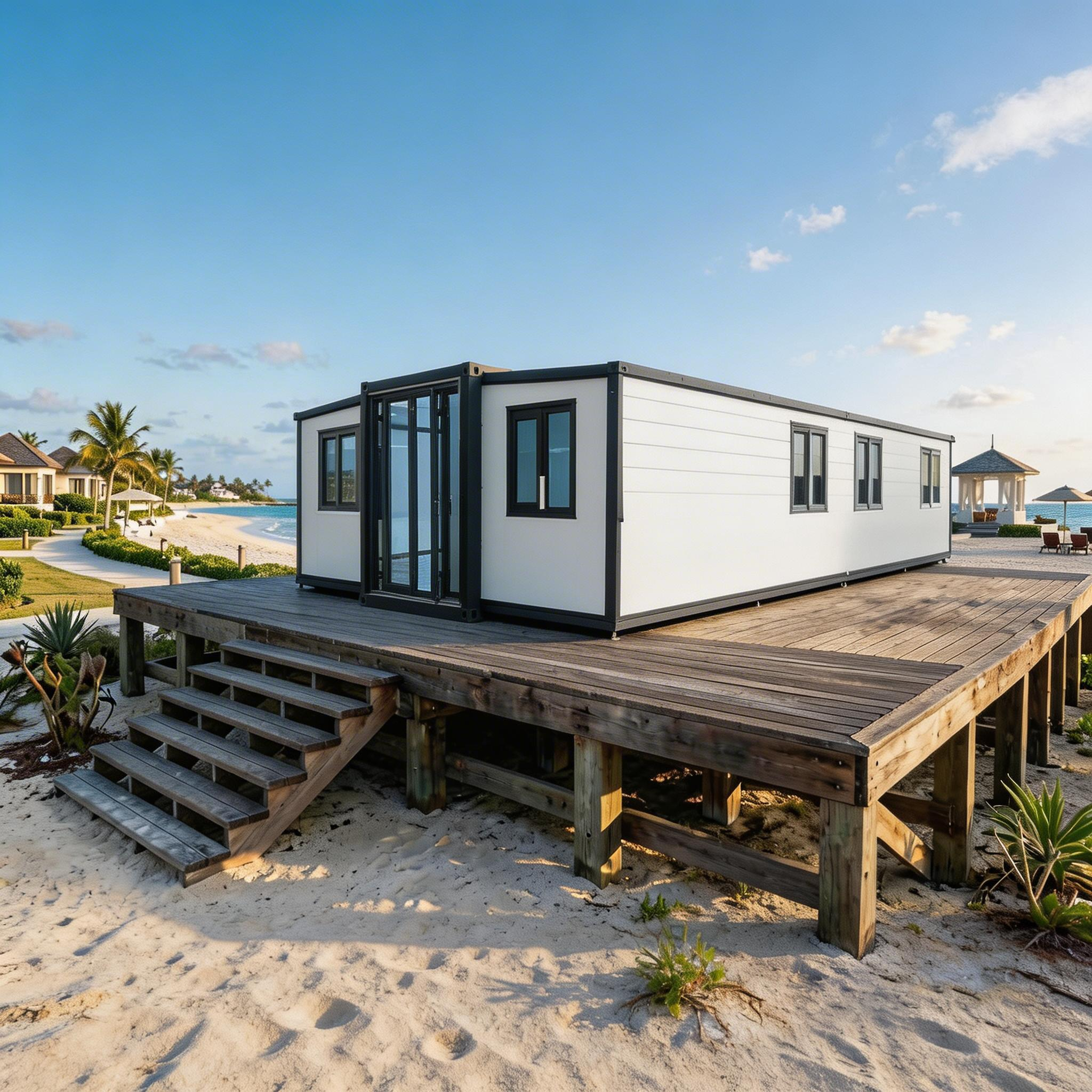
Halangan Masuk yang Lebih Rendah: Kecekapan Kos dan Pelaksanaan Pantas untuk Permulaan Homestay
Pengurangan CapEx Awal Sebanyak 35–50% Berbanding Pembinaan Tradisional
Bertukar ke rumah bekas yang boleh diperluaskan mengurangkan kos awal sekitar 35 hingga 50 peratus berbanding dengan kaedah pembinaan biasa. Sebab utama? Struktur ini dibuat di luar tapak dengan bahagian standard dan memerlukan lebih sedikit pekerja semasa pemasangan. Apabila dihasilkan di kilang, terdapat bahan yang kurang terbuang di sekitar. Plus, tidak lagi menunggu hujan berhenti atau berurusan dengan subkontraktor yang tidak pernah muncul tepat pada masanya. Projek pembinaan tradisional juga sering melampaui anggaran. Dengan bekas ini, perniagaan mempunyai lebih banyak wang untuk melabur dalam perkara yang benar-benar penting. Fikirkan bahagian dalaman yang lebih baik, ciri moden seperti kunci yang berfungsi tanpa kunci atau termostat yang menjimatkan elektrik, ditambah strategi pengiklanan dalam talian yang lebih baik. Semua tambahan ini membantu hartanah menonjol di pasaran sewa jangka pendek yang sesak hari ini di mana tetamu mahukan keselesaan dan kemudahan.
Pemasangan tanpa asas mengurangkan masa pemasangan sebanyak 70% dan menghapuskan kos penggalian
Pemasangan tanpa asas menggunakan tiang keluli boleh laras atau pad konkrit dapat mengurangkan masa pelaksanaan sehingga kira-kira 70%. Kebanyakan projek mencapai operasi penuh dalam masa hanya tiga minggu berbanding tempoh menunggu biasa selama 3 hingga 6 bulan apabila membina dari awal di tapak. Tiada keperluan untuk menggali lubang, membuat longkang, atau menjalankan semua kerja asas yang rumit tersebut bermaksud gangguan terhadap tanah itu sendiri berkurangan sehingga kira-kira 90%. Pendekatan ini membuka peluang ke lokasi-lokasi yang sebelum ini sukar diakses, seperti lereng bukit, kawasan sensitif dari segi alam sekitar, atau tanah terlindung di mana pembinaan biasa memerlukan kos yang terlalu tinggi atau bahkan sama sekali tidak dibenarkan. Apabila mempertimbangkan lokasi pelancongan popular, kelajuan dalam melancarkan operasi secara langsung diterjemahkan kepada pulangan pelaburan yang lebih cepat sambil mengekalkan keutuhan tapak tersebut untuk generasi akan datang.
Pertumbuhan Adaptif: Pengembangan Ruang yang Boleskal dengan Rumah Kontena Boleh Kembang
Rumah kontena boleh dikembangkan mengubah penskalaan daripada sekatan logistik kepada kelebihan strategik—membolehkan operator homestay menyesuaikan kapasiti secara tepat mengikut permintaan, musim, atau jangkaan tetamu yang berubah—tanpa pengubahsuaian struktur atau tempoh kelengkapan operasi yang panjang.
Modul Tambahan Modular untuk Permintaan Musiman atau Perubahan Pasaran
- Penskalaan berdasarkan permintaan : Unit pra-kilang boleh dipasang di tapak dalam masa kurang daripada 48 jam—ideal untuk lonjakan pelancongan semasa perayaan atau musim percutian—mengelakkan kos dan kelengkapan pembinaan tetap.
- Pengoptimuman Hasil : Operator menyelaraskan inventori bilik dengan kitaran pelancongan, dengan laporan menunjukkan kadar penghunian sehingga 30% lebih tinggi semasa tempoh puncak.
- Pengurangan Risiko : Modul boleh ditanggalkan atau disimpan semasa musim rendah, mengurangkan perbelanjaan utiliti dan penyelenggaraan sehingga 45% (Hospitality Tech Review, 2025).
Penyusunan Semula Susun Atur Secara Dinamik: Daripada Bilik Tetamu Tunggal hingga Unit Berukuran Keluarga
Sistem rel gelongsor mekanikal membolehkan unit-unit tunggal (pod) dikembangkan secara lancar menjadi suite keluarga yang saling bersambung—mengatur semula ruang tanpa perlu pembongkaran atau pengubahsuaian. Ini memberikan tiga kelebihan utama:
- Penjajaran tepat dengan segmen tetamu—tiada lagi kawasan persegi yang tidak dimanfaatkan atau jenis bilik yang tidak sepadan;
- Penukaran jenis bilik siap dalam masa kurang daripada 72 jam, iaitu 70% lebih pantas berbanding pengubahsuaian tradisional;
- Integriti struktur dikekalkan sepanjang proses transformasi melalui mekanisme kunci-pasak berpaten yang disahkan mengikut piawaian ISO 10722:2021 untuk integriti bangunan modular.
Kelincahan ini melindungi pelaburan dari masa depan—membolehkan operator menguji pasaran baharu, format baharu, atau tahap harga baharu dengan pendedahan modal yang minimum dan tanpa komitmen jangka panjang.
Reka Bentuk yang Membedakan Jenama: Penyesuaian dan Integrasi Tempatan bagi Rumah Kontena Boleh Dikembangkan
Penyesuaian Pra-Pembuatan: Siap-siaga Bahagian Luar, Susun Atur Dalaman, dan Penjajaran Fasiliti Budaya
Rumah kontena yang boleh dikembangkan menawarkan penyesuaian pada peringkat kilang, menggabungkan imej jenama dengan ciri-ciri tempatan yang autentik. Untuk bahagian luar, pemilik hartanah mempunyai pelbagai pilihan untuk menyelaraskan bangunan secara visual dan budaya dengan persekitaran mereka. Contohnya termasuk panel kayu daur ulang, jubin yang mencerminkan gaya serantau, atau malah mural berlukis tangan yang menceritakan kisah-kisah tempatan. Ruang dalaman berubah mengikut keperluan. Unit tunggal dilengkapi meja lipat dan bahagian kedap bunyi untuk privasi, manakala keluarga mendapat katil loteng, dapur kecil yang boleh disusun semula, serta dinding yang boleh digerakkan mengikut keperluan. Apa yang benar-benar penting ialah membangunkan sentuhan budaya ini sejak dari peringkat awal pembinaan, bukan menambahkannya kemudian. Kawasan alpine mungkin termasuk sudut teh kecil yang dikekalkan hangat, kawasan pesisir sering mempunyai beranda terbuka dengan aliran udara yang baik, manakala kawasan gurun biasanya menampilkan ruang luar yang teduh. Jenis personalisasi pra-pembuatan ini memastikan jenama kelihatan konsisten di mana-mana sahaja mereka beroperasi, selain menjimatkan kos pengubahsuaian selepas pembinaan selesai. Angka-angka ini juga menyokong pendekatan ini: operator yang mereka bentuk dengan mengambil kira arkitektur tempatan dan tabiat tetamu melaporkan peningkatan sebanyak kira-kira 47 peratus dalam kadar ketahanan tetamu berbanding hotel biasa, menurut Hospitality Insights tahun lepas.
Ketahanan Operasional dan Nilai Jangka Panjang: ROI, Kelestarian, dan Kelebihan Peraturan
Rumah kontena yang boleh dikembangkan memberikan nilai berkekalan melalui kecekapan kewangan, tanggungjawab alam sekitar, dan pendekatan pragmatik terhadap peraturan—menjadikannya aset yang tahan lasak di sepanjang kitaran pasaran.
Reka bentuk modular memberikan kelebihan kos kepada syarikat sebanyak kira-kira 35 hingga 50 peratus berbanding bangunan biasa, yang bermakna mereka mula melihat pulangan pelaburan dua hingga tiga tahun lebih cepat. Bil penyelenggaraan juga cenderung jauh lebih murah—sebenarnya kira-kira 40 hingga 60 peratus lebih rendah—kerana struktur ini menggunakan rangka keluli bergalvani yang tahan karat serta komponen yang boleh diganti dengan mudah apabila diperlukan. Aspek kehijauan juga penting. Bangunan-bangunan ini datang sedia untuk pemasangan panel suria, mempunyai penebatan yang baik untuk menekan kos pemanasan, dan boleh mengumpul air hujan untuk kegunaan kemudian, kesemuanya mengurangkan bil utiliti kira-kira suku setiap tahun. Dari sudut persekitaran, hampir semua keluli yang digunakan adalah bahan kitar semula (kira-kira 85 hingga 90 peratus), dan jumlah sisa yang dihasilkan semasa pembinaan adalah kira-kira 30 peratus lebih rendah berbanding kaedah biasa. Ini menjadikan bangunan-bangunan ini sesuai dengan piawaian LEED dan BREEAM untuk bangunan baharu. Proses mendapatkan lesen juga berjalan lebih lancar kerana banyak tempat telah menerima perumahan modular sebagai penginapan sementara, maka kelulusan memerlukan masa separuh daripada biasanya. Secara keseluruhan, bangunan-bangunan ini bertahan jauh melebihi dua puluh tahun sambil tetap mampu menyesuaikan diri dengan kehendak tetamu pada masa kini, perubahan dalam undang-undang tempatan, atau malah peralihan corak cuaca yang mungkin kita alami pada masa depan.
Soalan Lazim
-
Apakah penjimatan kos menggunakan rumah kontena boleh dikembangkan berbanding pembinaan tradisional?
Penggunaan rumah kontena boleh dikembangkan dapat mengurangkan perbelanjaan modal awal sebanyak 35 hingga 50 peratus berbanding kaedah pembinaan tradisional. -
Seberapa cepat rumah kontena boleh dikembangkan dapat dipasang dan dioperasikan?
Rumah-rumah ini boleh beroperasi dalam tempoh tiga minggu, jauh lebih pantas berbanding tempoh biasa 3 hingga 6 bulan bagi kaedah pembinaan tradisional. -
Bolehkah rumah kontena boleh dikembangkan menyesuaikan diri dengan perubahan permintaan pasaran?
Ya, unit pra-pembuatan boleh ditambah atau dialih keluar dalam masa kurang daripada 48 jam, membolehkan pengendali menyesuaikan operasi dengan perubahan musiman atau pergeseran pasaran. -
Adakah rumah kontena ini boleh disesuaikan?
Ya, rumah ini menawarkan pilihan penyesuaian pra-pembuatan yang merangkumi siap-siaga luaran, susun atur dalaman, dan kemudahan budaya untuk menyelaras dengan persekitaran tempatan. -
Adakah rumah kontena menawarkan manfaat alam sekitar?
Ya, rumah ini menggunakan bahan kitar semula, menawarkan pilihan siap-untuk-suria, dan menghasilkan 30% kurang sisa, selaras dengan piawaian LEED dan BREEAM.
Kandungan
- Halangan Masuk yang Lebih Rendah: Kecekapan Kos dan Pelaksanaan Pantas untuk Permulaan Homestay
- Pertumbuhan Adaptif: Pengembangan Ruang yang Boleskal dengan Rumah Kontena Boleh Kembang
- Reka Bentuk yang Membedakan Jenama: Penyesuaian dan Integrasi Tempatan bagi Rumah Kontena Boleh Dikembangkan
- Ketahanan Operasional dan Nilai Jangka Panjang: ROI, Kelestarian, dan Kelebihan Peraturan