EN
EN



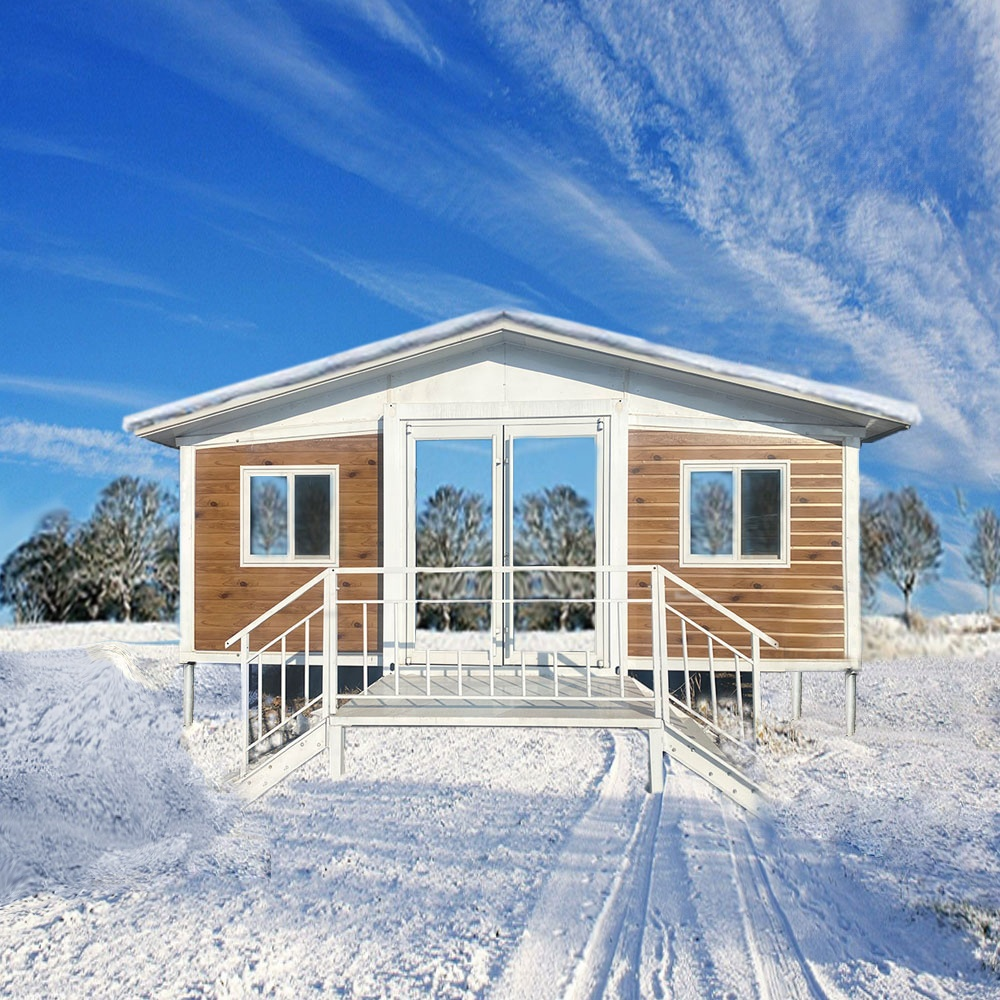
Rakenteellinen kestävyys: konttitalon vahvistaminen äärimmäisiä sääolosuhteita varten
Miksi standardit konttitalot epäonnistuvat korkean tuulen, lunen ja jäätyminen-sulaminen-kiertojen vaikutuksesta?
Tavallisia kuljetuskonttien ei ole tarkoitettu alun perin asumiseen, vaan niitä on suunniteltu tavaroiden kuljettamiseen, mikä aiheuttaa merkittäviä ongelmia, kun niistä yritetään tehdä asuntoja. Tasaiset katonpinnat, avoimet seinät ilman riittävää tukea sekä kiinteä teräksinen ulkokuoren muodostavat kaikki heikkoja kohtia äärimmäisissä sääolosuhteissa. Kun hurrikaanin voimaiset tuulet saavuttavat noin 75 mailia tunnissa (noin 120 km/h) tai enemmän, muokkaamattomat kontit tend to lift off their foundations and twist sideways because the steel doesn't hold together properly under stress. Vuoristoalueilla lunen kertyminen muodostaa myös vakavan ongelman. Useimmat konttien katot eivät kestä yli noin 30 naulaa neliöjallassa (noin 146 kg/m²) lunta ennen kuin ne alkavat pettää. Joissakin Alppien alueissa rakennusmääräykset edellyttävät jopa yli 70 psf (noin 339 kg/m²) lumenkuormaa. Toisen ongelman aiheuttavat toistuvat jäätyminen- ja sulaminenjaksojen aiheuttama hitsausliitosten kuluminen. Kosteus kertyy usein näihin kylmiin kohtiin, joissa eri materiaalit kohtaavat toisensa, mikä aiheuttaa ruosteen leviämisen huomattavasti nopeammin kuin tavallisesti. Rannikkoalueilla tai paikoissa, joissa ilmastollinen kosteus on korkea, korroosion nopeus kasvaa lähes kolminkertaiseksi verrattuna tyypilliseen. Kaikki nämä ongelmat ovat keskenään yhteydessä, joten yhden osan korjaaminen ei juurikaan auta. Todelliset ratkaisut vaativat laajamittaista vahvistustyötä, joka noudattaa paikallisia rakennusmääräyksiä, eikä pelkästään näkyvien heikkojen kohtien paikkaamista.
Tärkeimmät parannukset: kuorman siirtoreitin optimointi, kulmapilarien jäykistäminen ja lämmöneristyskatojen vähentäminen
Kolme kohdattua toimenpidettä muuttaa konttitalot kestäviksi, asuttaviksi rakennuksiksi, jotka täyttävät kansallisen rakentamismääräysten (IBC) vaatimukset äärimmäisiin ilmastoihin:
- Kuormitussuunnan optimointi luo jatkuvan teräsyhteyden katon levytyksestä seinien kautta perustukseen, mikä lisää lumikuorman kestävyyttä 40 % ilman lisämassaa.
- Kulmapilarien jäykistäminen , jossa kaikkien kahdeksan kulman diagonaalit ristijäsenet käytetään, poistaa sivusuuntaisen heilahduksen ja tarjoaa maanjäristysluokan jäykkyyden – todettu kestävän 130 mph tuulen nopeuden tuulitunnelikokeissa.
- Lämpösiltojen vähentäminen , joka saavutetaan suljetun solun spray-eristeellä, joka levitetään ulkoverhoilun ja rakenteellisen teräksen väliin, estää kosteen muodostumisen kylmissä liitoksissa ja vähentää lämpöhäviöitä 60 % arktisissa kokeissa.
Yhdessä nämä parannukset poistavat ongelmien juurisyyn – ei vain oireita – varmistaen kestävyyden, asukkaiden turvallisuuden ja pitkäaikaisen energiatehokkuuden.
Lumikuorman ja perustan kestävyys konttitaloille kylmässä ja vuoristoisessa alueessa
Katon romahtamisriskit ja niiden ehkäisy: vahvistettu kehikko, katon kaltevuuden säätö ja reaaliaikainen kuorman seuranta
Tasakattoiset kontit eivät ole rakenteellisesti soveltuvia raskaiden lumikuormien kantamiseen, joka on yleistä alppialueilla. Kun lumikuormat ylittävät suunnittelussa määritellyt rajat – usein yli 70 psf korkealla korkeudella sijaitsevissa alueissa – katon kehikko taipuu, hitsausliitokset kuluvat ja romahtamisriski kasvaa. Tehokas ehkäisy perustuu kolmeen todennettuun strategiaan:
- Sisäiset terästrussit vahvistavat katon laattaa ja jakavat paikallisesti kohdistuvat kuormat koko rakenteen kesken
- Katon kaltevuuden säätäminen vähintään 30 asteeseen mahdollistaa passiivisen lumen putoamisen, mikä vähentää staattisen kuorman kestoa ja huippujännitystä
- Upotetut venymämittarit ja kuormantunnistimet tarjoavat reaaliaikaista tietoa kriittisissä jännityspisteissä, mikä mahdollistaa ennakoivan toiminnan ennen kuin romahdusrajat saavutetaan
Tämä integroitu lähestymistapa lisää varmistettua lumikuorman kestävyyttä yli 20 % verrattuna tavallisiin muokkauksiin – ja se on estänyt rakenteellisen heikkenemisen kahdessa peräkkäisessä ennätyslumimyrskyssä Coloradossa ja Montanassa suoritetuissa kenttäkäytöissä.
Jäätyneen maan suojaamat pintaperustukset ja rinteelle soveltuvat ankkurointiratkaisut etäalueille
Perinteiset syvät perustukset eivät toimi vuoristoisessa ja jäätyneen maan alueella aiheuttaen jäätymisnostoa, maan hitaata liukumista ja epätasaisia sementtiumia.
- Jäätyneen maan suojaamat pintaperustukset (FPSF) käyttävät reunallisesti asennettua eristystä säilyttääkseen alapohjan alapuolisen maan lämpötilan pakopisteen yläpuolella, mikä poistaa tarpeen kalliista syväkaivuusta ja estää jäätymisnostoa jäätyneen maan alueilla
- Kierteiset kallioankkurit , jotka kiinnitetään suoraan kallioon, tarjoavat erinomaisen rinteen vakauden jopa 45 asteen kaltevuusasteikolla – huomattavasti paremmin kuin betonipilareilla tai ruuvipilareilla epävakaiden maapohjien tapauksessa
| Ratkaisu | Pääedut | Täydellinen maasto |
|---|---|---|
| FPSF | Estää jäätymisnostoa | Jäätyneen maan alueet |
| Kierteiset kallioankkurit | Stabiloi jyrkkiä rinnealueita | Kiviset nousukohdat |
Kun nämä järjestelmät yhdistetään soratäytteisiin vesikuljetusuroihin ja geotekstiilierottamiskerroksiin, ne säilyttävät rakenteellisen tasapainon yli 100:lla dokumentoidulla jäätyminen-sulaminen-kiertokerralla – pitkäaikaisen seurannan tuloksena Rocky Mountainsissa ja Sierra Nevadassa.
Metsäpalon kestävyys: Tehdään konttitalo turvallisemmaksi maaseutu-kaupunkirajalla (WUI)
Teräksisen ulkokalvon yläpuolella: Ratkaistaan hiukkasten tunkeutumisen, säteilevän lämmön ja ilmanvaihdon aiheuttamat haavoittuvuudet
Teräs ei ehkä pala, mutta konttitalot kohtaavat silti vakavia riskejä, kun metsäpalot leviävät alueelle. Suurin osa talojen tulipaloista lähellä luonnonmaiden ja kaupunkialueiden rajaa syttyy juuri niistä pienistä palavista sirpaleista, joita kutsutaan hiilloskappaleiksi. Ne pääsevät helposti sisään kaikkiin pieniin aukkoihin ovensuun, ikkunoiden ympärille, ilmanvaihtoputkiin ja kaikkiin muihin kohtiin, joiden kautta hyötykaapelit kulkevat seinien läpi. Kun säteilevä lämpö nousee noin 1000 Fahrenheit-asteikolla (noin 538 °C), teräsrakenteissa tapahtuu jotain mielenkiintoista – vaikka ne näyttävätkin niin vahvilta. Metalli alkaa taipua ja vääntyä pitkän aikaa ennen kuin liekit edes koskettavat rakennusta itseään. Älkäämme edes aloittako puhumasta aaltopohjaisista seinistä. Sen sijaan että ne estäisivät lämmön tunkeutumista sisälle, ne itse asiassa johtavat lämpöä sisälle, mikä tekee kaiken kuumemmaksi kuin pitäisi olla. Ellei rakentajat kiinnitä erityistä huomiota konttitalojen rakentamiseen, lopputuloksena on juuri päinvastainen tilanne kuin ihmiset odottavat. Metallinen ulkokuoren muodostaa ansan lentäville hiilloskappaleille eikä suojaa niitä vastaan.
WUI-yhteensopivat ratkaisut: ei-polttopäällyste, tiukat aukot ja integroitu puolustettavissa oleva alue
NFPA 1144 -standardin ja ICC:n WUI-koodin vaatimusten täyttäminen edellyttää monitasoista puolustusstrategiaa – ei pelkästään materiaalin luottamista. Tärkeimmät parannukset ovat:
- Ei-polttopäällyste ulkoseinille , kuten kuitsecsimentti-levyt tai mineraalivillalevyt, jotka asennetaan jatkuvan eristyksen päälle estääkseen hiukkasten pääsyn ja vähentääkseen säteilevää lämmönsiirtoa
- Tulenvastaava ilmanvaihto , jossa kaikkien sisään- ja poistovientien takana on ruostumatonta terästä käyttävät verkkosuodattimet, joiden aukko on enintään 1/8 tuumaa
- Tulensuojaavat tiivistysaineet , kuten turpoavat vaahtomaiset tiivistysaineet ja silikoniin perustuvat liitosmassat, kaikkien putkien, sähköjohtojen ja rakenteellisten läpivientien ympärille
- Puolustettavissa olevan alueen integrointi , jossa 30–100 jalan (noin 9–30 metrin) selkeä alue on suunniteltu tulenvastaisilla kotoperäisillä kasvilajeilla ja ei-polttopintaisilla kovilla pinnoitteilla
Yli 46 miljoonaa yhdysvaltalaista kotitaloutta sijaitsee tällä hetkellä korkean riskin WUI-alueilla (Yhdysvaltain metsäpalvelu, 2022), joten nämä jälkiasennukset eivät enää ole vaihtoehtoisia. Kenttätutkimukset osoittavat, että asianmukaisesti toteutettujen WUI-mäisten vaatimusten mukaisten konttitalojen syttymistodennäköisyys on jopa 75 % pienempi simuloiduissa metsäpaloissa.
Ilmastoviisas eristys konttitaloille lämpötila-ääripäissä
Kondenssin hallinta ja lämmöneristysominaisuudet korkealla altitudella ja kosteissa ilmastovyöhykkeissä
Teräksisistä konttitaloista aiheutuu vakavia ongelmia kosteusmuodostumasta, erityisesti silloin, kun ilmassa on paljon kosteutta tai kun talot rakennetaan korkealle merenpinnan yläpuolelle. Ongelma syntyy, kun lämmin sisäilma kohtaa kylmät teräksiset seinät, joiden lämpötila on alhaisempi kuin kastepisteen lämpötila. Tämä aiheuttaa vesisumuun muodostumisen seinien sisälle, mikä nopeuttaa ruostumisen syntymistä ja voi heikentää eristävän kyvyn toimintaa lähes puolella. Kuivissa ja kuumissa alueissa mineraalivillamateriaalien käyttö yhdessä asianmukaisen ulkoisen tiivistyksen kanssa auttaa estämään liiallisen kosteuden kertymisen ilman, että eristävän kyvyn tehokkuus kärsii. Vuoristoalueilla, joissa lämpötilat laskevat erittäin alhaisiksi, ulkopuolinen eristys kaikkialla säilyttää teräksen pinnan lämpötilan kastepisteen yläpuolella, jopa silloin, kun lämpötila laskee miinus kolmekymmenviiteen asteikoon Celsius-asteikolla. Tämä menetelmä suojaa rakennetta rakenteellisilta vaurioilta ajan mittaan ja varmistaa tasaisen lämmityksen koko rakennuksessa.
Hybridi-eristysjärjestelmät: spray-eriste + mineraalivilla ilmastoon sopeutuvalla höyrynhallinnalla
Kaksikerroksinen hybridi-järjestelmä tarjoaa vertaamatonta kestävyyttä kaikissa ilmastovyöhykkeissä:
- Suljetun solujen suihkutusvaahto , joka levitetään suoraan aaltopellille, tiukentaa ilmavuotoja, täyttää tyhjiöt ja poistaa lämpösiltoja rakenteellisten liitosten kohdalla – mikä on ratkaisevan tärkeää yhtenäisten sisälämpötilojen säilyttämiseksi
- Mineraalivillalevyt tai -matot , jotka asennetaan eristekerroksen päälle tai kehikon seinäonteloihin, tarjoavat sopeutuvan höyrynhallinnan: ulospäin kuivuva kyky kosteissa ilmastovyöhykkeissä ja sisäänpäin suuntautuvan kosteuden estäminen kylmissä ja kuivissa alueissa
Jäykät ulkoeristyslevyt (esim. polyisosyanuraatti- tai mineraalivillalevyt) täydentävät lämpökatkon saavuttaen R-30+ -eristysarvon ja vähentäen lämmitys- ja jäähdytysenergian kulutusta 25–40 % verrattuna yksimateriaalisiiin ratkaisuihin – todettu tehokkaaksi DOE:n rahoittamissa kylmän ilmastovyöhykkeen kokeiluprojekteissa sekä ASHRAE:n vaatimusten mukaisessa kosteassa vyöhykkeessä tehdyn seurannan perusteella.
UKK-osio
Miksi standardit konttitalot eivät sovellu äärimmäisiin sääolosuhteisiin?
Standardimaiset konttitalot eivät sisällä ominaisuuksia, kuten tasaisen katon riittävää tukea, suurten tuulikuormien kestävyyttä, lumikuorman kestävyyttä ja suojaa jäätyminen-sulaminen -jaksoilta. Nämä ongelmat tekevät niistä haavoittuvia äärimmäisten sääolosuhteiden aikana.
Mitkä ovat välttämättömät päivitykset konttitaloille erityisen ankaroissa ilmastovyöhykkeissä?
Välttämättömiin päivityksiin kuuluvat kuorman kulun optimointi lumikuorman kestävyyden parantamiseksi, kulmapylvästen jäykistäminen tuulen kestävyyden varmistamiseksi sekä lämmönvuoalueiden vähentäminen energiatehokkuuden parantamiseksi ja kosteen muodostumisen estämiseksi.
Miten konttitaloja voidaan vahvistaa kestämään raskaita lumikuormia?
Vahvistus voidaan saavuttaa lisäämällä sisäisiä terästrusseja, säätämällä katon kaltevuutta lumien putoamisen edistämiseksi sekä käyttämällä reaaliaikaista kuorman seurantateknologiaa.
Mitä toimenpiteitä voidaan toteuttaa konttitalojen tulipalonkestävyyden parantamiseksi?
Toimenpiteisiin kuuluvat palamattoman ulkokuvauksen käyttö, hiukkasia vastustava ilmanvaihto, tulensuojattuja tiivistämiä sekä suoja-alueiden integrointi tulenkestävän maisemointiin.
Miten hybridieristeysjärjestelmät hyödyttävät konttitaloja?
Spray-eristeellä ja kivivillalla toteutetut hybridieristeysjärjestelmät tarjoavat sopeutuvan höyryn hallinnan, joka ylläpitää tehokkaasti sisälämpötilaa ja vähentää energiankulutusta kaikilla ilmastovyöhykkeillä.
Sisällysluettelo
- Rakenteellinen kestävyys: konttitalon vahvistaminen äärimmäisiä sääolosuhteita varten
- Lumikuorman ja perustan kestävyys konttitaloille kylmässä ja vuoristoisessa alueessa
- Metsäpalon kestävyys: Tehdään konttitalo turvallisemmaksi maaseutu-kaupunkirajalla (WUI)
- Ilmastoviisas eristys konttitaloille lämpötila-ääripäissä
-
UKK-osio
- Miksi standardit konttitalot eivät sovellu äärimmäisiin sääolosuhteisiin?
- Mitkä ovat välttämättömät päivitykset konttitaloille erityisen ankaroissa ilmastovyöhykkeissä?
- Miten konttitaloja voidaan vahvistaa kestämään raskaita lumikuormia?
- Mitä toimenpiteitä voidaan toteuttaa konttitalojen tulipalonkestävyyden parantamiseksi?
- Miten hybridieristeysjärjestelmät hyödyttävät konttitaloja?