EN
EN



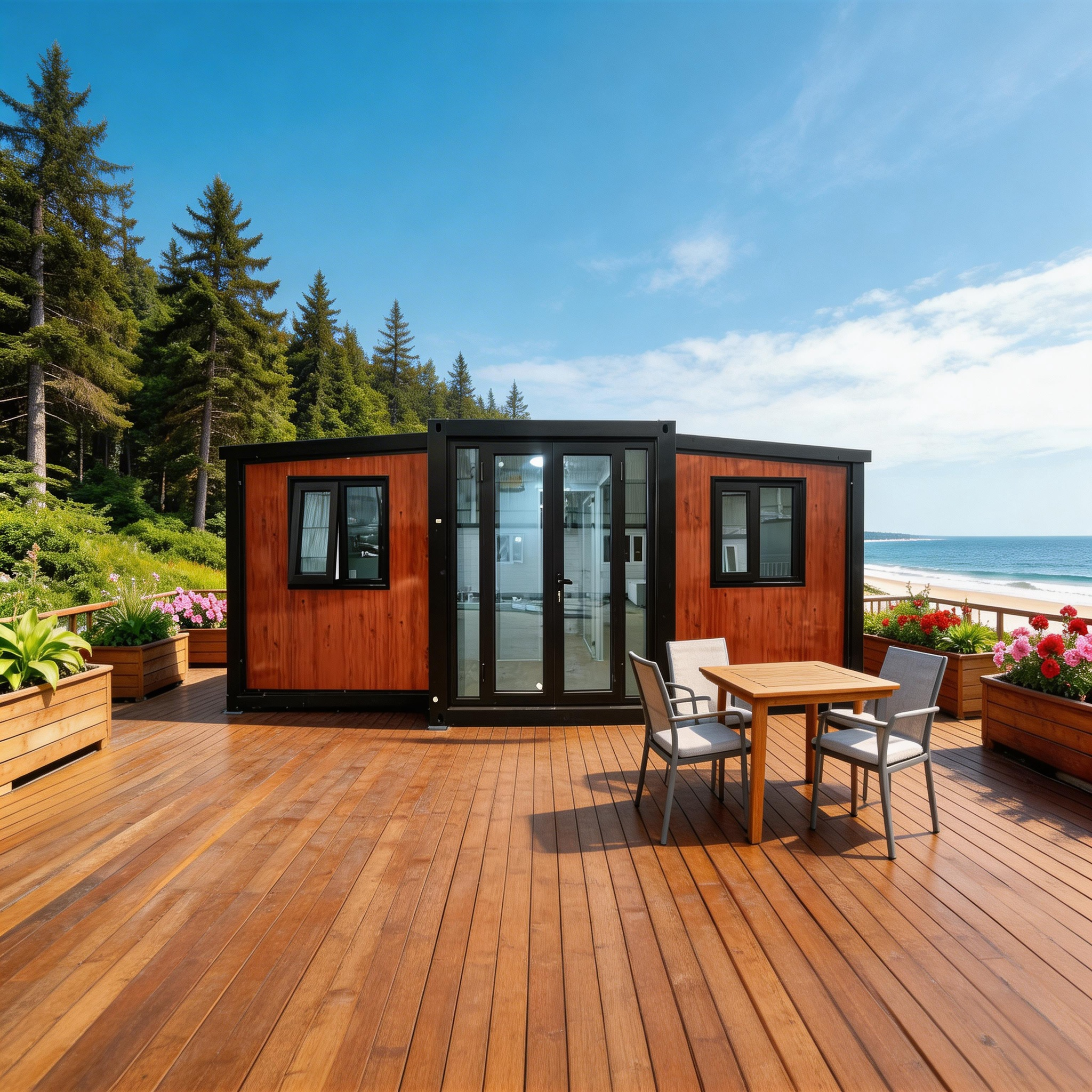
Residential Applications of Expandable Container House
Primary Residences and Family Living with Scalable Layouts
More and more families are going with expandable container houses as their main homes these days because they offer something solid, affordable, and ready for whatever comes next. Built on modular steel frames, these structures hold up well against weather while keeping interiors comfortable without eating up too much electricity over time. What makes them really stand out though? The ability to grow right along with family life. Need another bedroom when kids come home from college? Want a dedicated workspace now that remote jobs are common? Just add on sections where needed. Space issues actually drive a lot of people to move house altogether. Around 4 out of every 10 homeowners list running out of room as one of the main reasons they pack up and start fresh somewhere else.
Granny Flats, Guest Houses, and Home Extensions for Multigenerational Living
These modular spaces work really well as extra living areas for families. Think granny flats, guest houses, maybe even adding on to existing homes. They make it possible for multiple generations to live together without tearing everything apart and rebuilding from scratch. The best part? Most of these can be set up within three days or so, and there's no need for a fancy concrete foundation either. This skips all those zoning headaches that come with regular home expansions. For people living in crowded cities where finding space is tough and getting permits takes forever, this kind of solution becomes super important.
Retirement and Downsizing Solutions with Low-Maintenance Adaptability
Retirees who are thinking about downsizing often find expandable container homes really appealing for several reasons. First off, these homes typically have one level only, so there's no need to worry about stairs which can be dangerous as people age. The materials used in construction resist corrosion too, meaning much less work keeping the outside looking good over time. Plus, because they take up less space overall, many owners report saving around 30% on utilities compared to traditional houses. All these benefits help stretch limited retirement funds further without compromising what matters most - being able to move around easily, stay comfortable day to day, and maintain independence. And contrary to what some might think, these homes still meet current building codes and allow plenty of room for customization according to individual tastes.
Hospitality and Short-Term Rental Applications for Expandable Container House
Vacation Rentals and Airbnb Units Leveraging Off-Grid Versatility
Expandable container homes are changing what people expect from short term rentals, especially among those who care about sustainability and want something different from regular hotels. These modular structures come equipped with solar panels and systems to collect rainwater, making them work completely off the grid even in places far from cities like beaches, mountainsides, or deep forests where there's no electricity or running water nearby. The way these containers fold up means we can fit two whole units inside one standard shipping container when transporting them, which cuts down on shipping expenses by around half compared to traditional methods. And once they arrive at their destination, setup takes less than two days most of the time. This quick deployment gives property managers flexibility during peak seasons. Adventure tour companies love this feature because it allows them to offer unique accommodations for hikers, campers, and nature lovers without leaving behind environmental damage. Same goes for Airbnb owners looking to attract travelers willing to pay extra for eco friendly stays that don't compromise comfort.
Pop-Up Lodging and Temporary Guest Accommodations in High-Demand Destinations
Music festivals, ski resorts, and those popular coastal summer spots all benefit from these expandable container houses that provide quick access to quality lodging when regular building just isn't feasible or allowed. The modular design lets people set up clusters in different ways too. Think small resort villages or even private getaways tucked away in remote areas. These containers work surprisingly well on tough landscapes such as cliffsides or near protected forest areas where traditional buildings would struggle. Event planners love using them for temporary stays because they leave little lasting footprint on the environment. Built with steel frames and insulated just like hotels, guests stay comfortable whether it's freezing cold or scorching hot outside. Plus, since these structures come down so fast, operators can move them around between popular spots throughout the year, maximizing their usefulness wherever demand spikes up.
Emergency, Remote Workforce, and Operational Housing Using Expandable Container House
Disaster Relief Shelters and Refugee Housing with Rapid Deployment
When responding to disasters or humanitarian emergencies, these expandable container homes offer crucial shelter solutions at incredible speed and durability. Most models can be set up completely within two days, which means people get safe, dry housing much quicker than waiting for conventional construction methods after events like flooding, wildfires, or major quakes leave communities displaced. These aren't just flimsy tents either. Built with strong steel frames and proper insulation, they actually hold up against severe weather conditions including hurricane force winds and torrential downpours. A recent report from the Global Shelter Cluster found that quick setup housing cuts disease spread rates by around 60% among refugees living in camps. What makes them really stand out is how they expand once deployed. The internal space grows by roughly 40% when unfolded, so families have enough room to live comfortably while rebuilding their lives after prolonged periods without stable housing.
Worker Housing and Specialized Camps for Mining, Construction, and Agriculture
Container homes have become a game changer for solving housing problems in tough locations where people come and go frequently. Think about those remote mining operations in the Arctic or temporary worker villages at farms during harvest season. These structures can be shipped on standard flatbed trucks right into places that would otherwise be impossible to reach. The outside walls are built to last through harsh conditions too, standing up against everything from blowing sand in deserts to salty coastal air and freezing winter temps below zero degrees. What makes them really useful is how they connect together module by module, letting companies build entire communities with common spaces like mess halls and shower facilities as needed. Inside, each unit comes equipped with all the basics already installed – water systems, electricity connections, even proper waste disposal setups so workers don't need any infrastructure around them when setting up camp. Companies report saving money compared to traditional housing options, though exact figures vary depending on location and project needs. Plus there's flexibility for special requirements too, like quiet rooms away from noisy drilling equipment or cooling areas where farmhands can relax between long shifts under hot sun.
FAQ Section
What are expandable container houses?
Expandable container houses are modular structures built on steel frames that can be expanded or modified according to needs. They are sustainable, adaptable, and can serve various purposes from housing to rentals.
How quickly can expandable container houses be set up?
These structures can be set up within two to three days depending on the model and location.
Are expandable container houses eco-friendly?
Yes, many models come with solar panels and rainwater collection systems, making them capable of functioning off-grid and minimizing environmental impact.
Can they be used for permanent residences?
Absolutely, expandable container houses are increasingly being chosen as primary residences due to their durability and cost-effectiveness.
What makes them suitable for emergency housing?
Their rapid deployment capabilities, robust construction, and ability to expand make them ideal for providing immediate shelter in disaster-hit areas.