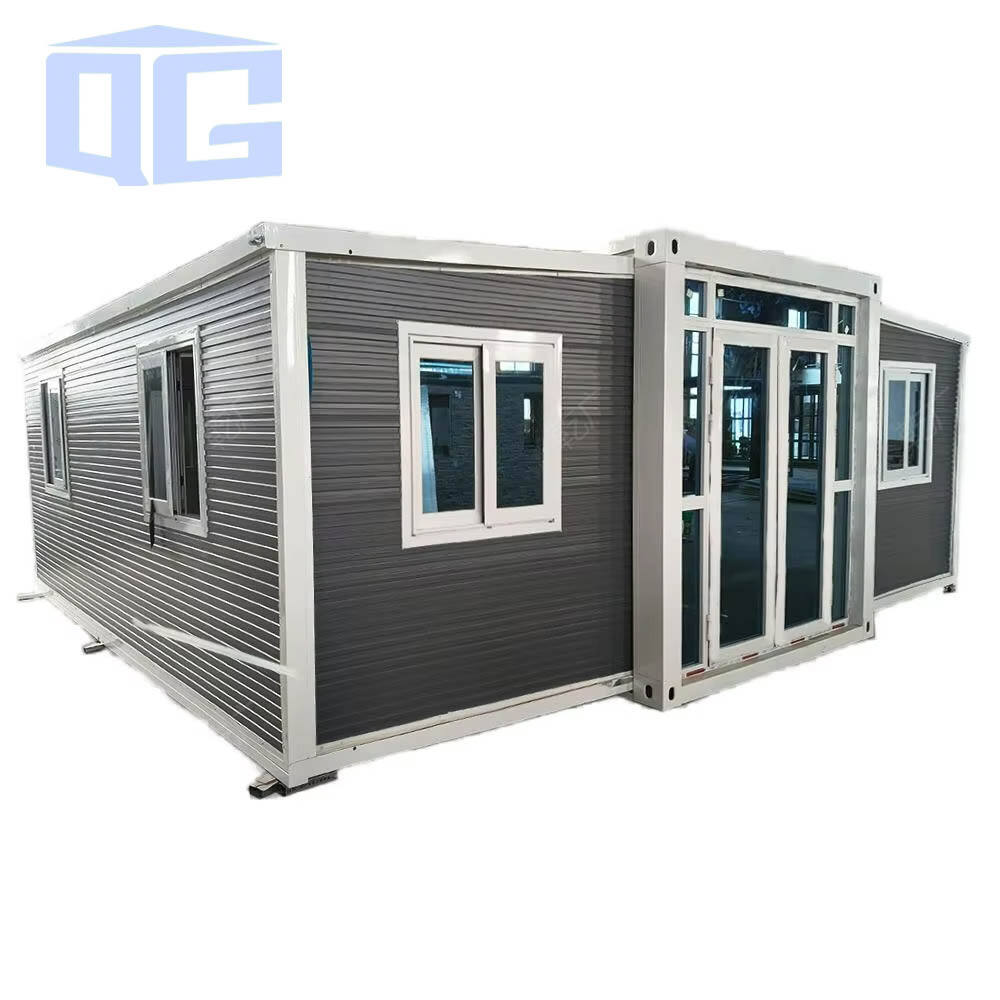
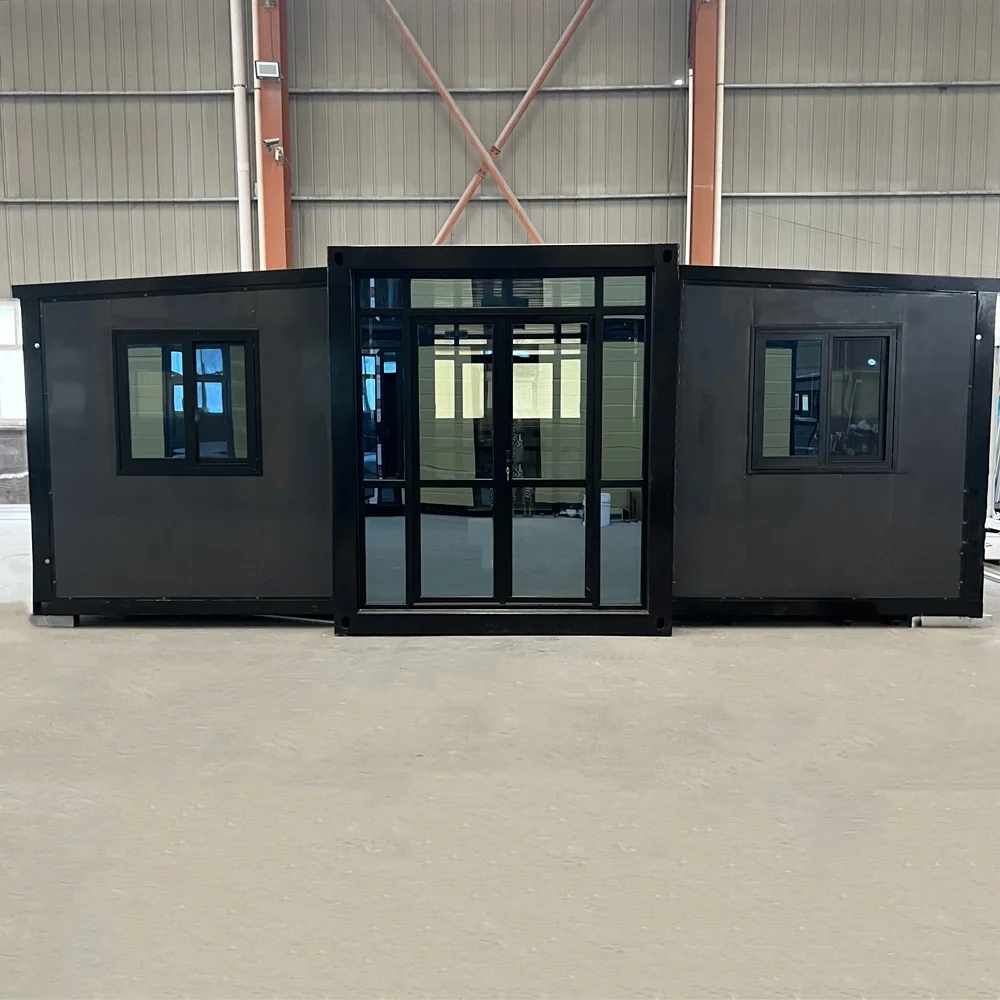
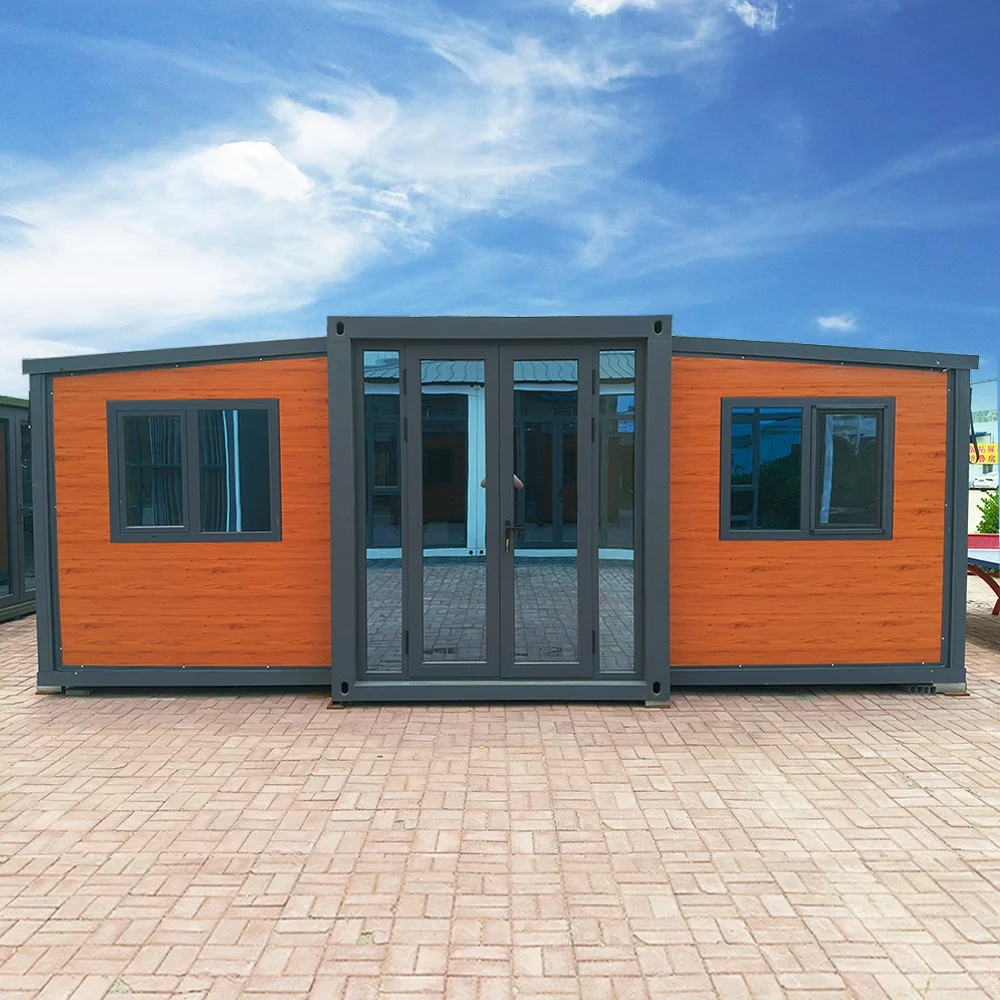
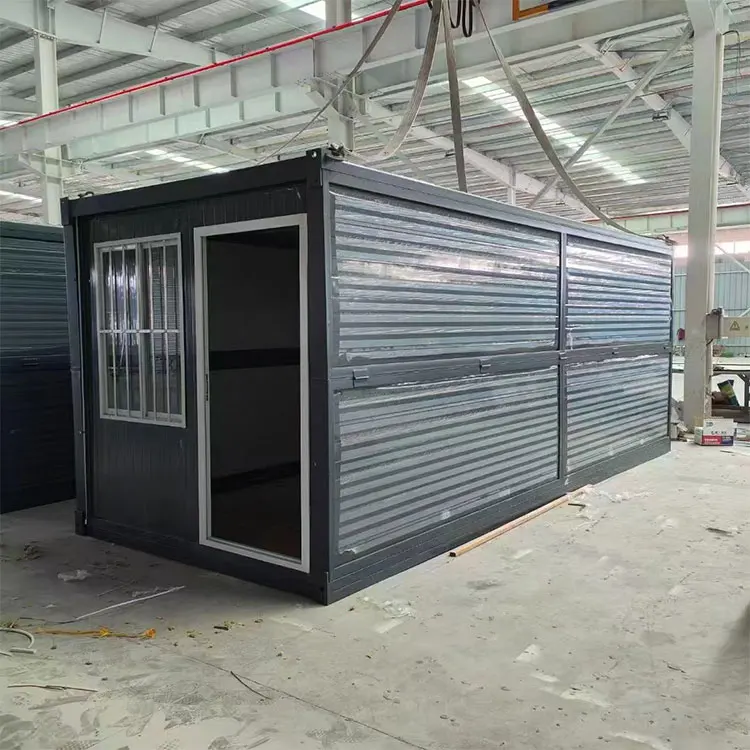
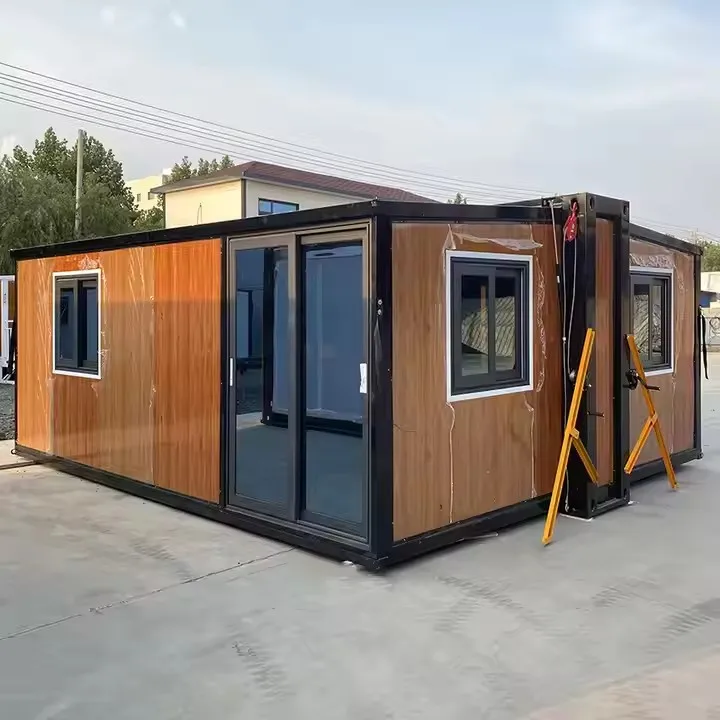
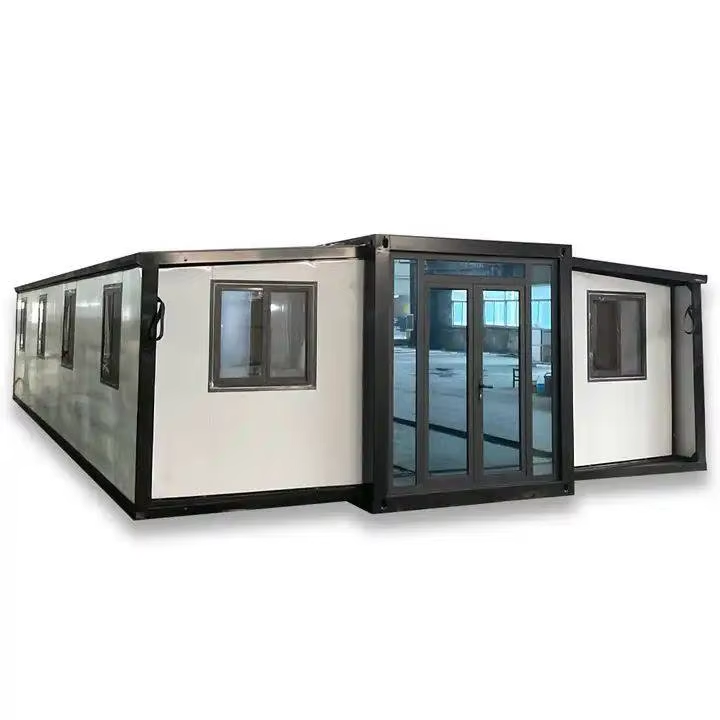
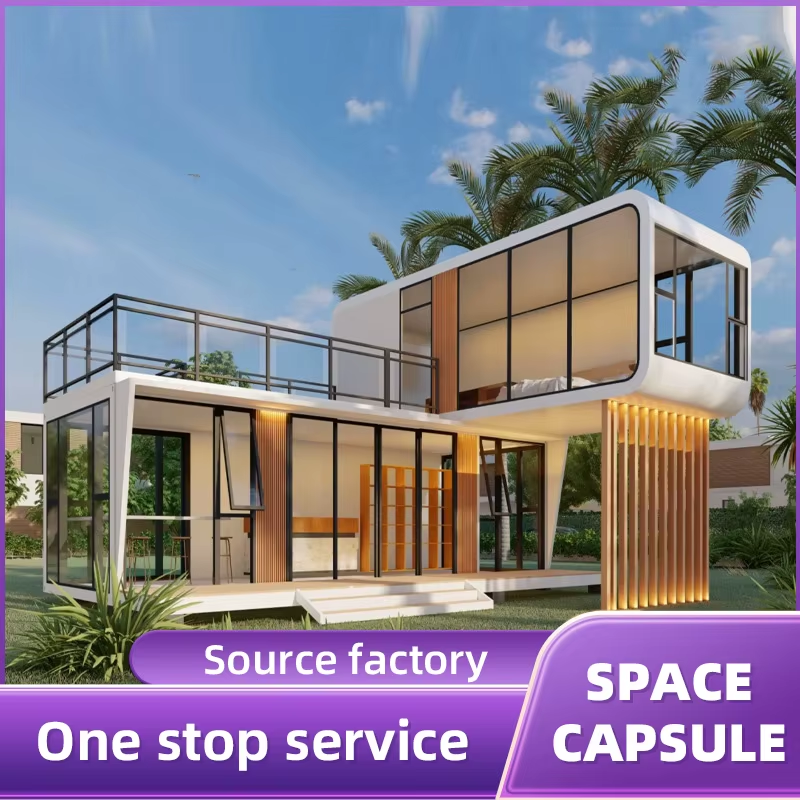
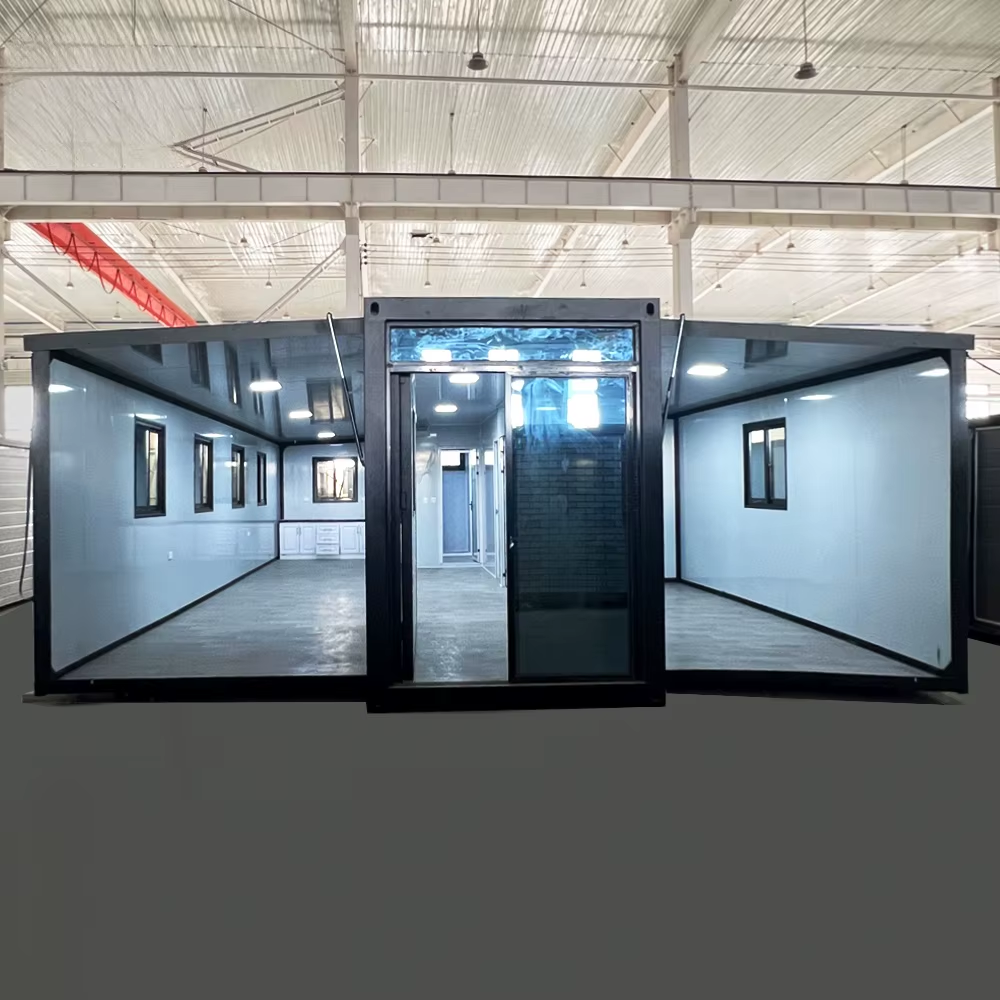
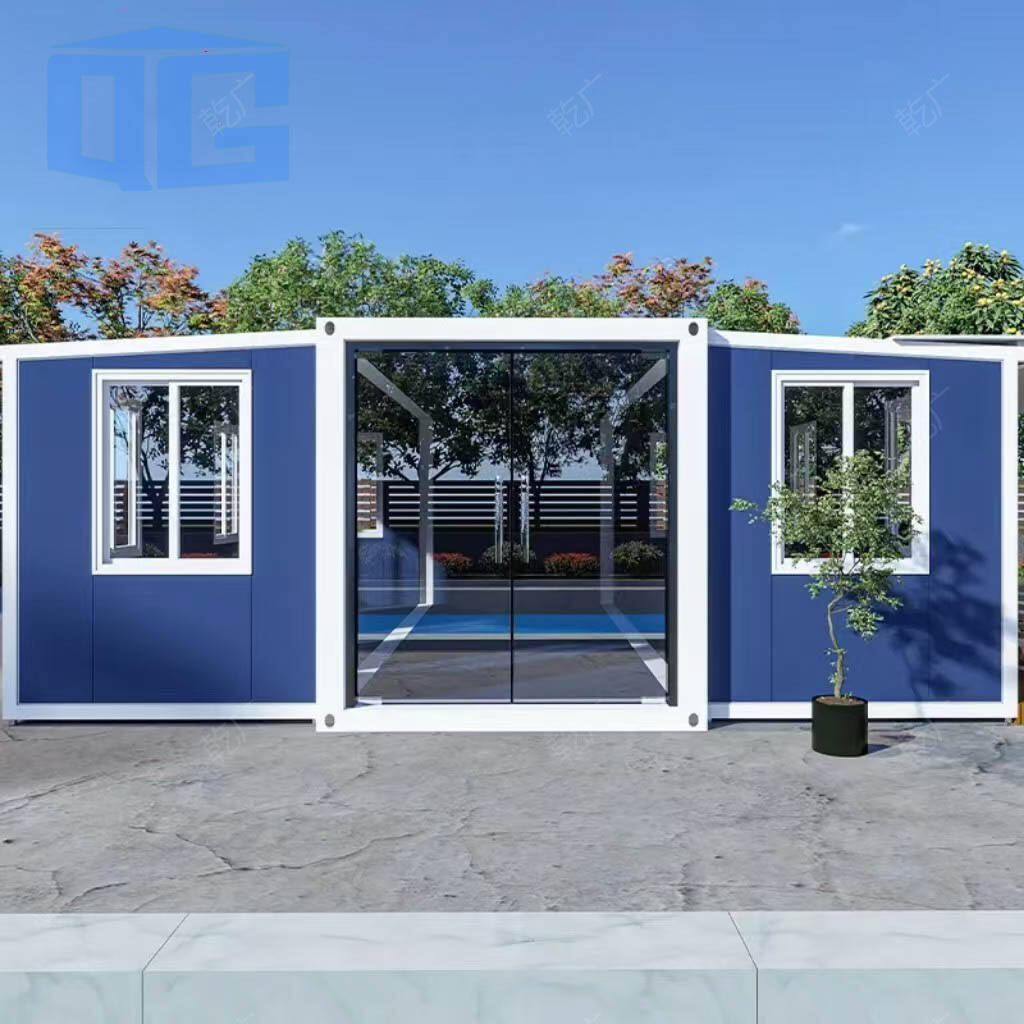
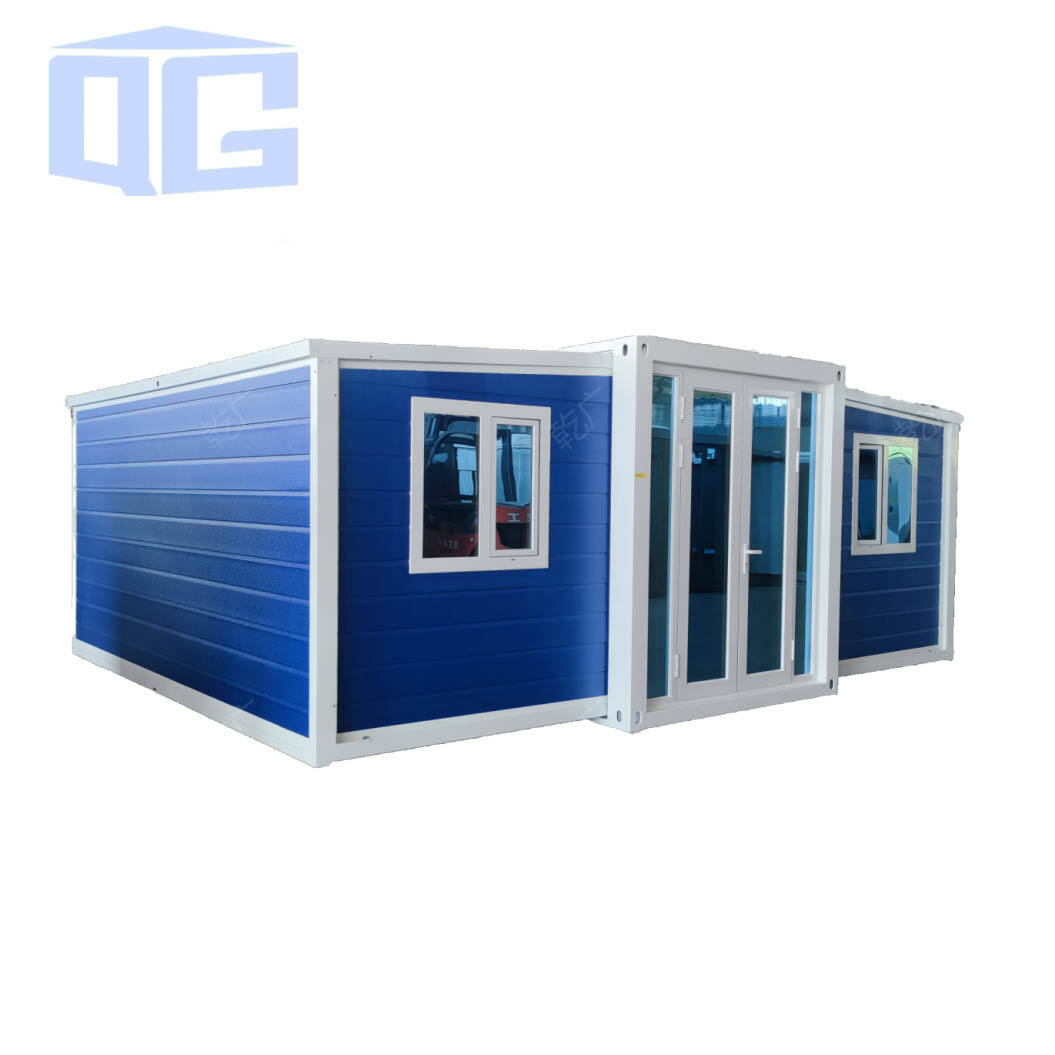
The paradigm of construction is shifting towards smarter, more efficient methodologies, and at the forefront of this evolution are prefab houses lightweight in design but formidable in capability. For international clients, developers, and governments seeking agile building solutions, understanding the technical and practical implications of lightweight prefabrication is key. This discourse explores the multidimensional value proposition of QG Building's lightweight prefab houses, emphasizing their engineered superiority and global applicability.
The primary technical foundation lies in the strategic use of materials and design principles. Unlike traditional heavy construction, our approach utilizes high-tensile steel frames and engineered composite panels. These materials are selected for their exceptional strength relative to their mass, allowing us to create rigid, stable modules that are surprisingly light. This is not a compromise; it is an optimization achieved through computer-aided design and finite element analysis, ensuring every component contributes to structural performance without excess weight. The result is a building system that places less demand on transportation resources and on-site infrastructure, aligning perfectly with modern sustainable development goals by reducing the carbon footprint associated with logistics and material usage.
From a project management and financial perspective, the advantages are transformative. Lightweight prefab houses fundamentally alter the economics of construction, particularly for international projects. Reduced shipping weight translates to lower fuel consumption and the ability to transport more volumetric space per shipment, optimizing container loads. Upon arrival, the simplified handling accelerates the assembly timeline, as cranes and other equipment can work more efficiently with lighter loads. This speed-to-occupancy is critical for time-sensitive applications like disaster relief housing, workforce camps, or rapidly expanding tourism facilities. The overall risk profile of the project is improved through shorter on-site construction periods and reduced exposure to weather-related delays and local labor volatility.
Furthermore, the environmental and site-specific benefits are profound. The lightweight nature of these structures minimizes site disturbance. They can be installed on a variety of foundation types, including simpler, less invasive pile or pad systems, preserving the natural landscape—a crucial consideration for eco-resorts or sensitive environments. This characteristic also facilitates future modular expansion or even relocation. A building can be disassembled and moved with relative ease, offering an unprecedented level of asset flexibility and lifecycle utility. It champions a circular economy model in construction, where buildings are not permanent scars on the landscape but adaptable assets.
Ultimately, QG Building’s expertise bridges the gap between lightweight innovation and proven ruggedness. Our portfolio, which includes critical infrastructure for global events, demonstrates that lightweight does not mean delicate. We engineer for real-world conditions, integrating thermal insulation, weather-resistant cladding, and robust connections that ensure performance in desert heat, tropical storms, or alpine cold. For our partners in over 160 countries, this means receiving a globally-minded solution: a building that is logistically efficient to deliver, economically viable to erect, environmentally considerate, and—most importantly—a durable, safe, and comfortable place to live or work, truly embodying our mission to build warm homes for the world.

 EN
EN